





25.10.2025
Which Mediterranean yachting routes offer the best snorkeling and diving opportunities?
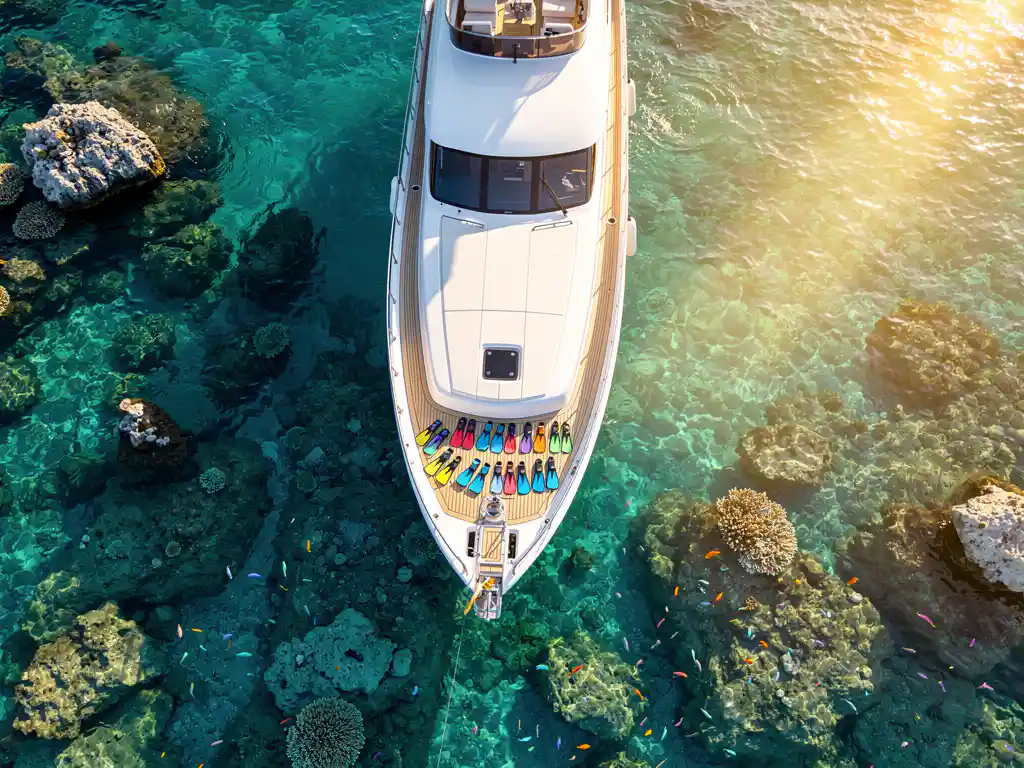
The Mediterranean offers exceptional diving and snorkeling opportunities along three main routes: the French Riviera and Monaco with pristine marine reserves, the Greek islands featuring volcanic landscapes and ancient wrecks, and the Balearic Islands boasting crystal-clear waters and protected marine parks. Each region provides unique underwater experiences, from Mediterranean groupers to ancient shipwrecks, with optimal conditions varying by season and location.
What makes the French Riviera and Monaco waters perfect for underwater exploration?
The French Riviera combines exceptional visibility with diverse marine ecosystems and well-protected underwater environments. Port-Cros National Park stands as France’s premier marine sanctuary, offering pristine diving conditions with visibility often exceeding 30 metres during summer months.
The underwater topography along this coastline features dramatic drop-offs, underwater canyons, and rocky formations that support abundant marine life. You’ll encounter groupers, octopus, moray eels, and vibrant reef fish among the Posidonia seagrass meadows. The park’s strict protection measures have allowed marine populations to flourish, creating some of the Mediterranean’s most rewarding diving experiences.
Monaco’s waters offer unique artificial reef systems alongside natural formations. The Larvotto Marine Reserve protects a small but incredibly rich ecosystem just minutes from Monaco’s harbour. These waters feature carefully managed artificial reefs that attract diverse species, whilst the natural rocky substrates provide excellent macro photography opportunities with nudibranchs, sea fans, and colourful sponges.
Which Greek islands offer the most spectacular diving experiences for yacht guests?
Santorini provides the Mediterranean’s most dramatic volcanic underwater landscapes, with black sand slopes, underwater cliffs, and unique geological formations created by ancient eruptions. The island’s diving sites offer excellent visibility and fascinating topography unlike anywhere else in the region.
Crete delivers world-class wreck diving opportunities, including ancient vessels and more recent maritime history. The island’s extensive coastline features underwater caves, dramatic wall dives, and excellent visibility conditions. Northern Crete particularly offers sheltered diving sites perfect for yacht-based exploration.
Zakynthos attracts divers seeking encounters with loggerhead turtles in their natural habitat. The National Marine Park protects crucial nesting areas, and respectful diving practices allow you to observe these magnificent creatures alongside monk seals in the island’s pristine waters.
The Cyclades islands, including Mykonos, offer consistent diving conditions with excellent underwater rock formations, swim-throughs, and diverse marine life. These islands provide reliable weather protection and numerous dive sites within short distances of secure anchorages.
How do the Balearic Islands compare for snorkeling and diving accessibility?
Mallorca’s Cabrera National Park offers the clearest waters and most pristine marine environment in the Balearics, with visibility regularly exceeding 40 metres. This protected archipelago provides exceptional snorkeling and diving with minimal crowds and abundant marine life.
Ibiza features extensive Posidonia meadows, which create crystal-clear water conditions and support diverse ecosystems. The waters around Es Vedrà offer dramatic underwater topography with excellent visibility and unique rock formations. These sites provide excellent snorkeling opportunities directly from yacht platforms.
Menorca’s northern coast delivers numerous sheltered coves and marine reserves with easy yacht access. The island’s diving sites offer excellent conditions for both beginners and experienced divers, with diverse underwater landscapes and consistent visibility.
Formentera provides the Mediterranean’s most accessible shallow-water snorkeling, with pristine sandy bottoms and crystal-clear conditions perfect for swimming and surface exploration. The island’s protected waters offer gentle conditions ideal for families and less experienced swimmers.
What should you know about diving conditions and seasons in different Mediterranean regions?
Mediterranean diving seasons vary significantly by region, with optimal conditions generally occurring between May and October. Water temperatures range from 16°C in early spring to 26°C in late summer, affecting both comfort and marine life activity.
The French Riviera offers the most consistent conditions, with excellent visibility from June through September. Spring diving provides cooler but clearer water, whilst autumn offers warmer temperatures with slightly reduced visibility due to seasonal algae blooms.
Greek waters warm earlier in the season, with comfortable diving from April through November. Summer conditions provide the warmest water but can include stronger winds in the Aegean. The best visibility typically occurs in late spring and early autumn.
The Balearic Islands provide the most stable conditions throughout the season, with gentle currents and predictable weather patterns. Summer months offer the warmest water and calmest seas, whilst spring and autumn provide excellent visibility with fewer crowds.
Seasonal marine life patterns affect underwater experiences significantly. Spring brings spawning activity and increased fish populations, summer offers the most comfortable conditions and active marine life, whilst autumn provides excellent visibility as water temperatures remain warm but plankton levels decrease.
How do you plan the perfect diving yacht itinerary in the Mediterranean?
Successful mediterranean yachting itineraries for diving require flexible planning that accommodates weather conditions, diving site accessibility, and equipment logistics. Start by identifying primary diving regions and backup locations within reasonable sailing distances.
Select yachts with appropriate specifications for diving activities, including adequate deck space for equipment preparation, fresh water capacity for gear washing, and electrical systems capable of charging diving computers and cameras. Consider vessels with swim platforms and easy water access for multiple daily dives.
Coordinate with local diving centres and guides well in advance, particularly for protected areas requiring permits or guided access. Many premier diving locations limit daily visitors, making advance booking important for accessing the best sites during peak season.
Equipment considerations include determining what gear to bring versus rent locally. Most Mediterranean diving centres provide high-quality rental equipment, but personal masks, computers, and cameras typically travel better with you. Plan adequate storage and drying space aboard your yacht.
Create itineraries that balance diving objectives with weather contingencies and guest comfort. Include rest days between intensive diving periods, and maintain flexibility to adjust routes based on sea conditions. Consider proximity to quality vessels and support services when planning extended diving expeditions.
Mediterranean diving from luxury yachts combines the freedom of private vessel exploration with access to world-class underwater environments. Proper planning ensures you experience the region’s best diving whilst maintaining the comfort and flexibility that makes yacht-based exploration so rewarding. For expert guidance on selecting the perfect yacht for your Mediterranean diving adventures, contact our team to discuss vessels optimised for underwater exploration and luxury comfort.
Frequently Asked Questions
What diving certifications do I need for Mediterranean yacht diving, and can I get certified during my charter?
Most Mediterranean diving sites require Open Water certification or higher, with some advanced sites needing Advanced Open Water or specialty certifications. Many charter destinations offer certification courses, but completing your basic certification before your trip maximizes diving time. Consider getting your certification in advance and using charter time for specialty courses like wreck diving or underwater photography.
How do I handle diving equipment logistics when chartering a yacht in the Mediterranean?
Most charter guests rent equipment locally to avoid airline baggage fees and complications. Bring personal items like masks, computers, and cameras, but rent BCDs, regulators, and wetsuits from reputable dive centers. Coordinate equipment delivery to your yacht or arrange pickup from dive shops. Ensure your charter yacht has adequate fresh water and drying space for post-dive equipment care.
What are the typical costs for diving activities during a Mediterranean yacht charter?
Expect to pay €40-80 per guided dive, €25-40 daily for equipment rental, and €15-25 for marine park entry fees. Hiring a private dive guide for your yacht group costs €200-400 per day but provides personalized service and site selection. Budget approximately €100-150 per person per diving day including equipment, guides, and park fees.
How far in advance should I book diving activities for protected marine areas?
Book diving in marine parks like Port-Cros, Cabrera, or Zakynthos National Marine Park at least 2-4 weeks ahead during peak season (June-September). These areas limit daily visitors and require permits. Contact dive centers immediately after confirming your charter dates, providing flexible date ranges to secure the best sites.
What safety considerations are unique to yacht-based diving in the Mediterranean?
Establish clear safety protocols including dive flags, surface marker buoys, and designated yacht watch personnel. Mediterranean currents can be unpredictable, so always dive with local guides familiar with site conditions. Ensure your yacht carries appropriate safety equipment including oxygen, first aid supplies, and emergency communication devices. Plan dive sites within reasonable distance of medical facilities.
Can beginners or non-divers enjoy underwater activities during a Mediterranean yacht charter?
Absolutely! The Mediterranean offers excellent snorkeling opportunities, particularly in the Balearics and shallow Greek bays. Many locations feature crystal-clear waters with marine life visible from the surface. Consider bringing or renting snorkeling gear, underwater cameras, and sea scooters. Some charter yachts offer glass-bottom viewing areas or can arrange submarine excursions for non-divers.
What's the best way to combine diving with other yacht charter activities in the Mediterranean?
Plan diving activities for morning hours when conditions are typically calmest, leaving afternoons for sailing, beach visits, or cultural excursions. Schedule intensive diving days followed by rest days for sightseeing or relaxation. Consider choosing routes that combine premier diving destinations with historic ports, allowing both underwater exploration and cultural experiences. Many diving locations offer excellent restaurants and nightlife for evening entertainment.