





27.10.2025
How do you plan multi-week Mediterranean yachting expeditions?
Planning a multi-week Mediterranean yachting expedition requires careful attention to seasonal weather patterns, extended provisioning needs, and flexible route planning. Unlike shorter trips, you’ll need to consider fuel range, crew arrangements, and backup anchorages across multiple countries. Success depends on choosing the right yacht size, building weather contingencies into your itinerary, and establishing reliable supply chains for provisions and maintenance throughout your journey.
What makes Mediterranean multi-week yachting different from shorter trips?
Multi-week Mediterranean yachting requires significantly more planning than shorter voyages due to seasonal weather variations, extended provisioning needs, and the complexity of crossing multiple maritime jurisdictions. You’ll face changing weather patterns that demand flexible scheduling and must plan for provisions lasting weeks rather than days.
The Mediterranean’s weather patterns shift dramatically between seasons and regions. Summer brings the Meltemi winds in the Aegean, whilst autumn introduces more unpredictable conditions across the western basin. Your extended timeframe allows you to wait out unfavourable weather, but you must plan alternative anchorages and routes accordingly.
Port availability becomes a critical consideration for extended voyages. Popular marinas fill quickly during peak season, and you’ll need confirmed reservations or reliable backup options. The flexibility of a longer expedition allows you to explore remote anchorages and less frequented destinations, but this requires careful attention to fuel stops and emergency shelter options.
Crew arrangements differ substantially from shorter trips. Extended voyages may require professional crew for longer periods, affecting both costs and logistics. You’ll need to consider crew rotation schedules, visa requirements for different countries, and accommodation needs that support comfortable living for weeks rather than days.
How do you choose the right yacht size and type for extended Mediterranean cruising?
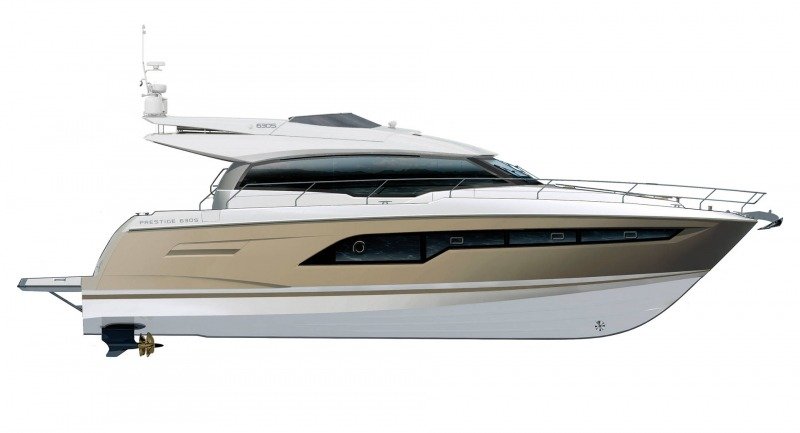
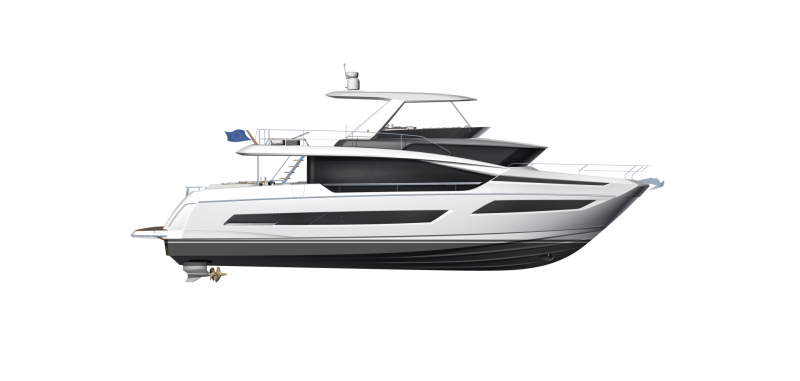
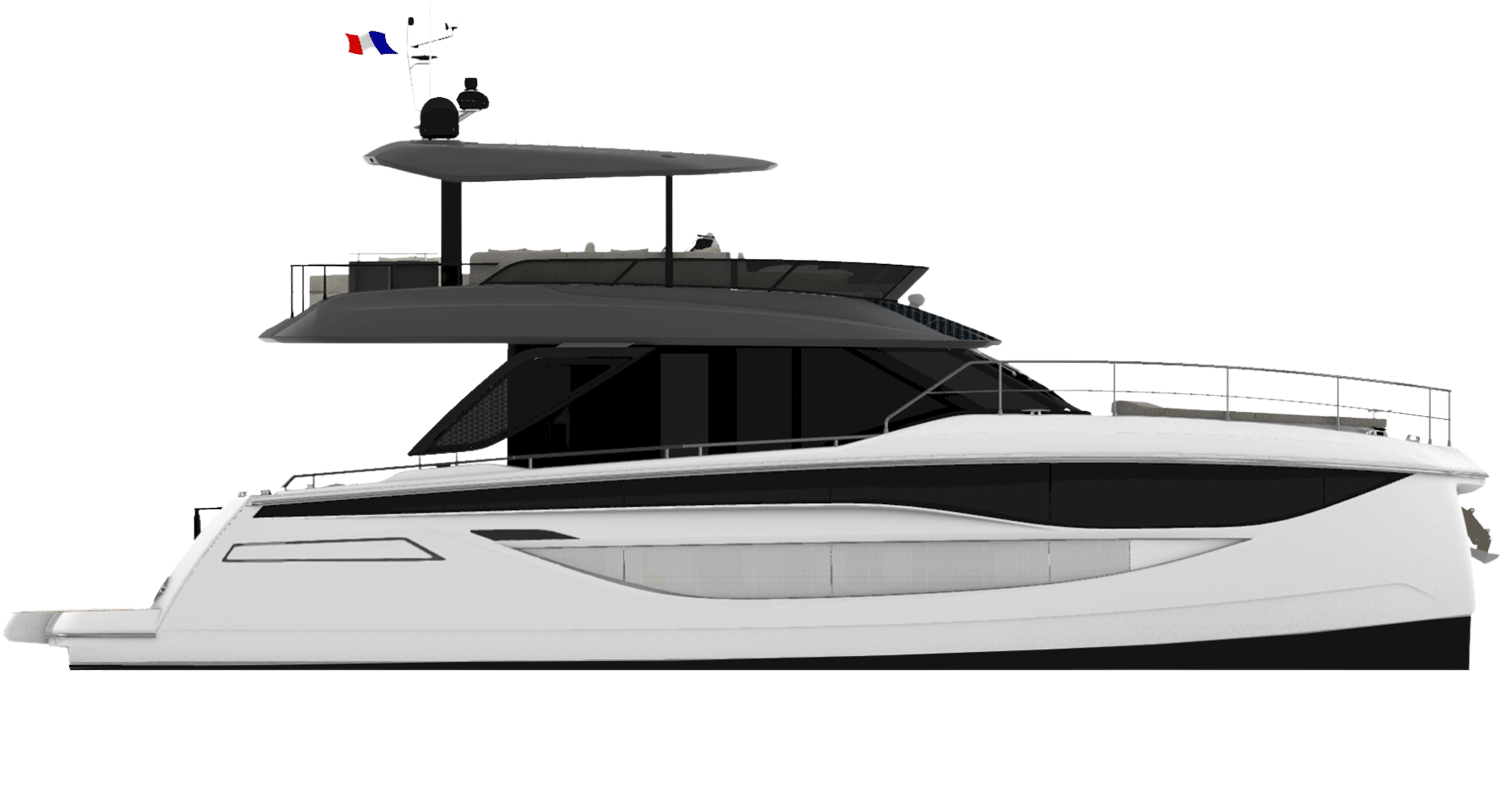
Extended Mediterranean cruising demands yachts with sufficient fuel capacity for 300-500 nautical mile ranges, comfortable living spaces for extended periods, and adequate storage for provisions lasting 7-14 days between major ports. Motor yachts typically offer more space and faster passages, whilst sailing yachts provide fuel efficiency and traditional cruising appeal.
Space requirements multiply significantly for extended living aboard. You’ll need proper storage for clothing, personal items, and equipment spanning weeks rather than weekend trips. Consider yachts with separate crew quarters if you’re planning professional crew, as this dramatically improves comfort and privacy for all aboard.
Fuel capacity and range become paramount considerations. The Mediterranean’s geography means you’ll often face 200+ nautical mile passages between suitable refuelling stops. Calculate your yacht’s consumption at cruising speed, then add 30% safety margin for weather delays or route changes.
Onboard amenities take on greater importance during extended voyages. Reliable air conditioning, proper galley facilities, comfortable seating areas, and adequate heads become daily necessities rather than luxuries. Consider yachts with stabilisation systems, as you’ll experience various sea conditions over weeks of cruising.
Motor yachts excel in Mediterranean yachting due to their speed, space, and reliability. They allow you to cover greater distances quickly, making the most of favourable weather windows. Sailing yachts offer lower operating costs and the traditional appeal of wind-powered travel, but require more time and weather-dependent planning.
What’s the best way to plan Mediterranean routes for multi-week expeditions?
Successful Mediterranean route planning combines seasonal weather patterns with flexible itineraries that include primary destinations, backup anchorages, and strategic fuel stops. Plan your route around prevailing winds and weather systems, whilst building in 20-30% extra time for weather delays or spontaneous discoveries.
Seasonal considerations drive route planning fundamentals. Spring and autumn offer the most comfortable cruising conditions, with moderate temperatures and fewer crowds. Summer brings reliable weather but crowded anchorages and intense heat. Winter cruising suits the western Mediterranean but requires careful weather monitoring.
Must-visit destinations should anchor your route planning, but avoid rigid scheduling. The French Riviera, Italian coastal gems like Cinque Terre, Greek islands, and Spanish Balearics each offer unique experiences. Plan these as target destinations rather than fixed dates, allowing weather and opportunity to guide your timing.
Backup anchorages prove invaluable during extended voyages. Research alternative shelters within day-sailing distance of your planned stops. Mediterranean weather can change quickly, and having pre-researched alternatives prevents rushed decisions in deteriorating conditions.
Fuel stops require strategic planning across the Mediterranean’s varying infrastructure. Major ports offer reliable fuel and services, but remote areas may have limited availability. Plan fuel stops every 250-300 nautical miles, researching fuel quality and availability in advance.
Weather routing becomes increasingly important over extended periods. Modern weather forecasting allows 5-7 day planning windows, enabling you to time passages for favourable conditions. Build flexibility into your schedule to take advantage of weather windows or wait out unfavourable periods.
How do you handle provisioning and logistics for extended Mediterranean yacht trips?
Extended Mediterranean provisioning requires strategic planning combining pre-departure bulk provisioning with regular fresh provisions restocking every 5-7 days. Establish relationships with provisioning services in major ports, plan adequate storage solutions, and coordinate with suppliers across different countries and languages.
Pre-trip planning forms the foundation of successful provisioning. Create detailed inventories of non-perishable items, cleaning supplies, and maintenance equipment needed for your entire voyage. Purchase these items before departure from familiar suppliers, avoiding language barriers and unfamiliar products whilst cruising.
Onboard storage solutions require careful organisation for extended voyages. Invest in proper storage containers that protect against moisture and movement. Label everything clearly and maintain inventory lists to track consumption and restocking needs. Consider vacuum-sealed packaging for clothing and linens to maximise space efficiency.
Fresh provisions restocking becomes a regular routine during extended cruising. Plan to replenish fresh produce, dairy, and meat every 5-7 days. Research local markets and provisioning services in your planned stops, as these often offer better quality and prices than marina-based suppliers.
Specialty dietary requirements need advance planning across different countries. Research availability of specific products in your planned destinations. Consider shipping specialty items to strategic ports along your route, ensuring you have familiar options available.
Equipment maintenance supplies often prove challenging to source whilst cruising. Pack comprehensive spares for your yacht’s critical systems, including engine parts, electronics components, and safety equipment. Research marine supply stores in major ports along your route for emergency needs.
What should you know about booking and preparing for multi-week Mediterranean yacht charters?
Multi-week Mediterranean yacht charters require booking 6-12 months in advance for peak season availability, comprehensive insurance coverage, and detailed pre-departure planning including crew arrangements, documentation requirements, and vessel inspection. Working with experienced yacht dealers ensures your chosen vessel meets expedition requirements and provides ongoing support throughout your journey.
Charter booking timelines extend significantly for multi-week expeditions. Prime vessels and peak season dates book 6-12 months ahead, particularly for popular destinations like the French Riviera or Greek islands. Shoulder seasons offer more availability and better pricing, often with superior cruising conditions.
Documentation requirements vary across Mediterranean countries, requiring advance preparation. Ensure your crew holds valid passports with sufficient validity. Research visa requirements for non-EU citizens visiting multiple countries. Obtain international certificates of competency and radio licences as required.
Insurance considerations multiply for extended voyages crossing multiple jurisdictions. Verify coverage includes all planned destinations and activities. Consider additional coverage for personal effects, trip cancellation, and medical evacuation. Some policies require notification for voyages exceeding certain durations.
Crew arrangements require careful planning for extended voyages. Professional crew may be necessary for larger yachts or less experienced owners. Verify crew qualifications, arrange work permits where required, and establish clear expectations for duties and schedules during extended voyages.
Pre-departure briefings become important for extended charters. Thorough vessel familiarisation, safety procedures, and equipment operation training prove invaluable when you’re far from base support. Document important procedures and emergency contacts for reference whilst cruising.
Working with experienced yacht dealers provides invaluable support for extended Mediterranean expeditions. Professional guidance helps match vessels to your specific expedition requirements, ensuring adequate range, comfort, and capability. Ongoing support throughout your journey provides peace of mind when challenges arise. For expert consultation on planning your Mediterranean yachting expedition, experienced professionals can guide you through vessel selection and preparation requirements. Contact maritime specialists who understand the unique demands of extended Mediterranean cruising.
Planning multi-week Mediterranean yachting expeditions demands attention to seasonal patterns, vessel capabilities, and logistical complexity that shorter voyages don’t require. Success comes from flexible planning that balances ambitious exploration with practical considerations of weather, provisioning, and safety. At Lengers Yachts, we understand these unique requirements and provide the expertise needed to transform your Mediterranean yachting dreams into perfectly executed expeditions.
Frequently Asked Questions
What's the minimum yacht size recommended for a multi-week Mediterranean expedition?
For multi-week Mediterranean cruising, we recommend yachts of at least 50-60 feet to ensure adequate fuel capacity (300-500 nautical mile range), comfortable living spaces, and sufficient storage for extended provisions. Smaller yachts can work but require more frequent stops and careful fuel management, which limits your flexibility in remote areas.
How much should I budget for fuel costs during a 3-4 week Mediterranean yacht expedition?
Fuel costs typically range from €8,000-€15,000 for a 3-4 week expedition on a 60-80 foot motor yacht, depending on your route, cruising speed, and fuel efficiency. Sailing yachts can reduce this by 60-80%, but factor in generator usage and auxiliary engine time. Always add 20% contingency for weather delays or route changes.
What happens if I encounter mechanical problems during an extended Mediterranean cruise?
Establish relationships with marine service providers in major ports before departure and carry comprehensive spare parts for critical systems. Most Mediterranean countries have excellent marine infrastructure, with major ports offering emergency services within 24-48 hours. Consider extended warranty coverage and maintain contact with your yacht dealer for technical support throughout your journey.
Can I change my itinerary during the expedition, or do I need to stick to pre-planned routes?
Flexibility is one of the key advantages of multi-week expeditions. You can absolutely modify your route based on weather, discoveries, or preferences, but inform your charter company or insurance provider of significant changes. Keep backup anchorages researched and ensure you have adequate fuel reserves for route modifications.
What's the best time of year to start a multi-week Mediterranean yacht expedition?
Late spring (May-June) and early autumn (September-October) offer the best conditions for extended Mediterranean cruising. You'll enjoy moderate temperatures, fewer crowds, and more predictable weather patterns. Summer works but brings intense heat and crowded anchorages, while winter limits you primarily to the western Mediterranean with careful weather monitoring.
How do I handle customs and immigration when crossing multiple Mediterranean countries?
Each country requires separate entry procedures, but EU countries have simplified processes for pleasure craft. Carry ship's papers, crew lists, and valid passports for all aboard. Many countries now offer online pre-arrival notifications. Research specific requirements for non-EU destinations like Croatia, Montenegro, or Turkey, which may require additional documentation or fees.
What's the biggest mistake first-time extended Mediterranean cruisers make?
Over-scheduling is the most common mistake - trying to visit too many destinations without allowing time for weather delays, mechanical issues, or simply enjoying discovered gems. Build 25-30% buffer time into your itinerary and prioritize 3-4 must-see destinations rather than attempting to cover the entire Mediterranean. This approach reduces stress and often leads to more memorable experiences.