





25.01.2026
How to sail between Corsica and Sardinia?
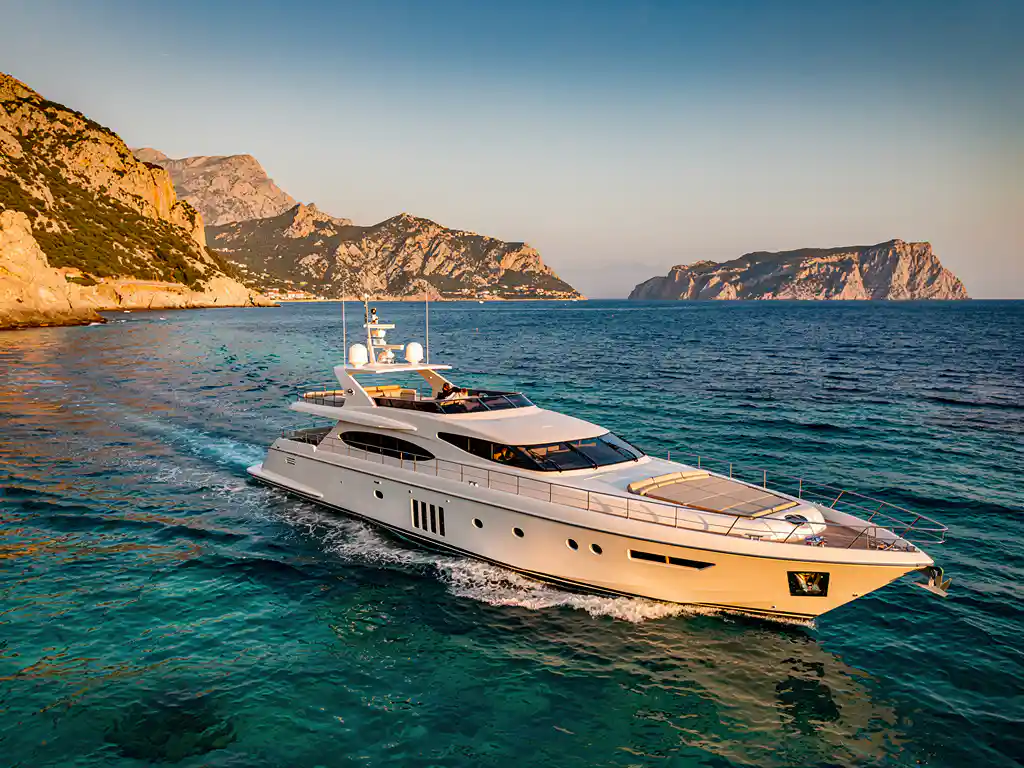
Sailing between Corsica and Sardinia means crossing the Bonifacio Strait, a narrow passage approximately 11-12 nautical miles wide at its shortest point. The most popular route connects Bonifacio in southern Corsica with Santa Teresa di Gallura in northern Sardinia. This crossing typically takes 1.5 to 3 hours depending on your yacht and weather conditions. You’ll need to plan carefully around the strait’s strong winds and currents, and choose your timing based on seasonal weather patterns for a safe and enjoyable passage.
What is the best route for sailing between Corsica and Sardinia?
The Bonifacio Strait offers the most direct and popular route between these two islands, spanning approximately 11-12 nautical miles at its narrowest point. Most sailors depart from Bonifacio on Corsica’s southern tip and head towards Santa Teresa di Gallura on Sardinia’s northern coast. This route provides the shortest crossing time whilst offering spectacular views of dramatic limestone cliffs and crystal-clear Mediterranean waters.
Alternative routes exist along the eastern and western coasts of both islands, though these significantly extend your journey time. Some sailors prefer to explore the Lavezzi Islands on the Corsican side or the Maddalena archipelago near Sardinia before or after their crossing. These scenic detours add hours to your passage but reward you with pristine anchorages and stunning natural beauty.
Your route selection depends on several factors including your yacht’s capabilities, current weather conditions, and your experience level. Larger yachts with more powerful engines handle the strait’s challenging conditions better than smaller vessels. Weather forecasts become particularly important for this crossing, as conditions can change rapidly in this funnel-shaped passage between the islands.
What weather conditions should you expect when crossing the strait?
The Bonifacio Strait experiences notoriously strong westerly winds that accelerate as they funnel through the narrow passage between Corsica and Sardinia. Wind speeds often increase by several knots compared to open water conditions on either side. The strait’s unique geography creates a venturi effect, compressing and accelerating air flow through this natural corridor.
Summer months from June through September typically offer the calmest conditions, with lighter winds and more predictable weather patterns. Spring and autumn bring more variable conditions, with stronger winds and occasional storms that can make crossing uncomfortable or dangerous. Winter crossings face the most challenging conditions, with frequent gales and rough seas that even experienced sailors avoid.
You should always check detailed marine weather forecasts before attempting this crossing. Wave conditions vary considerably depending on wind direction and strength, with westerly winds creating the roughest seas. Local weather services provide specific forecasts for the Bonifacio Strait, and monitoring these reports helps you choose optimal crossing windows for safer passage.
How long does it take to sail from Corsica to Sardinia?
A direct crossing of the Bonifacio Strait typically takes 1.5 to 3 hours under favourable conditions, depending on your yacht’s speed and the weather you encounter. Motor yachts with good cruising speeds complete the passage more quickly than sailing yachts relying primarily on wind power. Your actual crossing time varies based on sea state, wind direction, and whether you choose the most direct route.
Favourable wind conditions can speed your passage, particularly for sailing yachts that can harness the strait’s strong breezes effectively. Conversely, headwinds or rough seas slow your progress and may require more engine power to maintain safe speeds.
Many sailors extend their journey by exploring the beautiful islands and anchorages along the way. The Lavezzi Islands off Corsica and the Maddalena archipelago near Sardinia offer tempting stops that can turn a quick crossing into a full day of mediterranean yachting exploration. Planning extra time allows you to adjust for weather delays and enjoy these remarkable destinations without rushing.
What navigation considerations matter most for this crossing?
Updated nautical charts prove important for safely navigating the Bonifacio Strait, as the passage contains numerous rocky hazards and shallow areas. Strong currents reaching 2-3 knots flow through the strait, affecting your course and requiring constant attention to maintain your intended track. These currents change with tidal patterns and can push vessels off course if you don’t compensate properly.
The Lavezzi Islands on the Corsican side and the Maddalena archipelago near Sardinia create navigation challenges with their scattered rocks and reefs. These areas require careful piloting, particularly in poor visibility or rough conditions. Many sailors choose to pass well clear of these hazards during their crossing, though experienced navigators often explore these stunning locations in calmer weather.
This strait serves as a busy shipping lane with regular ferry traffic, fishing vessels, and numerous pleasure craft during peak season. You’ll need to maintain proper lookout and monitor VHF radio channel 16 for traffic information. Both Bonifacio and Santa Teresa di Gallura offer well-equipped marinas with good facilities, whilst numerous anchorages provide alternatives for those preferring to drop anchor in scenic bays.
When is the best time to plan your Corsica-Sardinia sailing adventure?
Late spring through early autumn provides the optimal season for crossing between Corsica and Sardinia, with July and August offering the most stable weather conditions. These peak summer months bring calmer seas and lighter winds, though you’ll encounter significantly more marine traffic and busier marinas.
Spring crossings from April through May can be pleasant but require more flexibility in your schedule to wait for suitable weather windows. Autumn sailing from September through October provides similar conditions, with gradually cooling temperatures and increasing weather variability. Both shoulder seasons reward you with quieter anchorages and more authentic experiences in coastal towns less crowded with tourists.
Planning your crossing requires monitoring weather forecasts and choosing your departure time carefully. Early morning departures often provide the calmest conditions before afternoon winds strengthen. Marina availability varies significantly between peak and off-peak seasons, with advance booking recommended for July and August. This route forms a highlight of many broader Mediterranean yacht charter itineraries, connecting beautifully with cruising grounds in both Corsica and Sardinia. When selecting your vessel for mediterranean yachting adventures in this region, consider browsing available yachts suited to these waters. Professional guidance helps you plan the perfect sailing adventure, so feel free to get in touch for personalised assistance with your Corsica-Sardinia crossing plans.
The Bonifacio Strait crossing offers one of the Mediterranean’s most rewarding short passages, combining manageable distances with dramatic scenery and excellent sailing conditions during the right season. Proper planning around weather, navigation hazards, and seasonal timing transforms this crossing into a memorable highlight of your Mediterranean sailing experience. At Lengers Yachts, we understand the unique requirements of sailing these waters and help you find the perfect yacht for exploring the stunning coastlines of Corsica, Sardinia, and beyond throughout Northern Europe and the Mediterranean.
Frequently Asked Questions
What qualifications or experience level do I need to sail the Bonifacio Strait?
While no specific certification is legally required for private yacht charters, the Bonifacio Strait demands intermediate to advanced sailing skills due to strong currents, winds, and heavy marine traffic. If you're chartering, consider hiring a local skipper for your first crossing to learn the passage's nuances. Many charter companies require proof of sailing experience (such as RYA Day Skipper or equivalent) and may mandate a skipper for less experienced sailors attempting this crossing.
Do I need to clear customs when sailing between Corsica and Sardinia?
No customs clearance is required when sailing between Corsica (France) and Sardinia (Italy), as both islands are within the European Union's Schengen Area. However, you should still carry proper vessel documentation, crew passports, and your yacht's registration papers. Non-EU nationals should ensure their Schengen visa covers both France and Italy for the duration of their voyage.
What should I do if weather conditions deteriorate mid-crossing?
If conditions worsen during your passage, assess whether it's safer to continue to your destination or return to your departure port—typically, the closest safe harbor is your best option. Reduce sail area or throttle back to maintain control, ensure all crew wear life jackets, and monitor VHF Channel 16 for weather updates and assistance if needed. Both Bonifacio and Santa Teresa di Gallura offer protected harbors, and several emergency anchorages exist on both sides of the strait if you need immediate shelter.
Are there fuel and provisioning stops available on both sides of the strait?
Yes, both Bonifacio and Santa Teresa di Gallura offer comprehensive marina facilities including fuel docks, water, and provisioning options. Bonifacio provides larger supermarkets and chandleries with more extensive supplies, whilst Santa Teresa di Gallura offers adequate provisions for most cruising needs. It's advisable to fuel up and stock provisions before crossing rather than relying on finding everything immediately upon arrival, especially during peak season when facilities can be busy.
What are the most common mistakes sailors make when crossing the Bonifacio Strait?
The most frequent errors include underestimating the current's strength (failing to compensate can push you miles off course), departing without checking updated weather forecasts, and attempting crossings in marginal conditions rather than waiting for better weather windows. Many sailors also neglect to account for the afternoon wind increase, departing too late in the day. Additionally, inexperienced navigators sometimes cut too close to the Lavezzi Islands or Maddalena archipelago, risking grounding on unmarked hazards.
Can I anchor overnight in the Lavezzi or Maddalena islands during my crossing?
Yes, both island groups offer excellent anchorages, though they're subject to specific regulations. The Lavezzi Islands are part of a protected natural reserve with designated anchoring zones and restrictions during peak season; some areas prohibit anchoring entirely to protect seagrass beds. The Maddalena archipelago also has protected areas with anchoring regulations, and some popular spots require permits or charge fees. Always check current regulations and use designated anchoring areas to avoid fines and environmental damage.
What safety equipment is essential for the Bonifacio Strait crossing?
Beyond standard offshore safety gear, ensure you have a functioning VHF radio (monitoring Channel 16), up-to-date electronic and paper charts of the strait, a reliable GPS with waypoints programmed for the crossing, and proper life jackets for all crew. A radar reflector or AIS transponder is highly recommended given the heavy ferry traffic, and many experienced sailors carry a handheld VHF as backup. Ensure your anchor and ground tackle are in excellent condition, as you may need to use emergency anchorages if conditions deteriorate.