






17.12.2025
Which ports along the Lycian Coast showcase Turkey’s ancient ruins?
The Lycian Coast offers exceptional yacht-based access to ancient ruins at ports like Kaş, Fethiye, Göcek, and Kalkan. You can anchor at these harbours and walk directly to impressive Lycian rock tombs, Roman theatres, and Greek temples. This stretch of Turkey’s Mediterranean coastline concentrates dozens of well-preserved archaeological sites within short sailing distances, making it perfect for combining luxury yachting with historical exploration.
What makes the Lycian Coast unique for combining sailing with archaeological exploration?
The Lycian Coast presents a rare combination where sheltered natural harbours align perfectly with ancient city locations. The same geographical features that protected ancient settlements from invasion now provide excellent anchorages for modern yachts. You’ll find dramatic limestone cliffs, hidden coves, and deep bays that served both ancient mariners and contemporary sailors equally well.
This region concentrates more than 20 significant archaeological sites within a 100-nautical-mile stretch between Fethiye and Antalya. The density of ruins accessible from marina ports surpasses almost any other Mediterranean yachting destination. You can visit Lycian, Greek, Roman, and Byzantine remains without travelling far inland, as most ancient cities were built directly on the coast to facilitate trade and naval power.
The coastal topography created natural defences for ancient civilizations whilst providing the calm waters and protected anchorages that make mediterranean yachting so enjoyable today. Many archaeological sites sit on elevated positions overlooking modern marinas, offering spectacular views alongside historical significance. The Turkish government has nominated several Lycian sites for UNESCO World Heritage status, reflecting the exceptional preservation and cultural importance of these ruins.
Which ports offer the most impressive ancient ruins within walking distance?
Kaş stands out as the premier port for immediate access to ancient Antiphellos. You can moor at the modern marina and walk five minutes to reach Lycian rock tombs carved directly into cliff faces above the town. The ancient theatre sits on the hillside with sweeping harbour views, and you’ll find sarcophagi scattered throughout the modern town centre. The harbour itself occupies the same protected bay that ancient traders used two millennia ago.
Fethiye provides direct access to ancient Telmessos, where impressive cliff tombs dominate the town skyline. The Tomb of Amyntas, carved into sheer rock 450 metres above sea level, remains visible from your yacht in the harbour. You can walk from the marina to the tombs in 15 minutes, passing through the town’s bustling markets. The ancient theatre lies partially buried but accessible on the town’s eastern edge.
Göcek offers excellent marina facilities whilst serving as your base for visiting Kaunos and the Dalyan Delta. You’ll need a short tender ride or water taxi to reach these sites, but the journey through the reed-lined delta adds to the experience. The rock tombs at Kaunos overlook the ancient city ruins and provide some of the most photographed archaeological views along the entire coast.
Kalkan functions as your gateway to two significant sites: Patara and Xanthos. Both require short taxi rides from the harbour, but Kalkan’s marina facilities and protected anchorage make it worth the brief journey. Patara features a remarkably preserved Roman theatre and the longest beach on the Lycian Coast, whilst Xanthos served as the ancient Lycian capital with extensive ruins spread across a hilltop site.
How do you plan a yacht itinerary that maximizes ancient site visits along the Lycian Coast?
A well-planned historical yacht charter along the Lycian Coast requires 7 to 14 days to properly explore the major archaeological sites without rushing. You’ll want to balance sailing time with adequate hours ashore for site visits, typically planning morning sails and afternoon explorations when temperatures moderate. This approach also aligns with archaeological site opening hours, which typically close between 5 PM and 7 PM depending on season.
Start your itinerary in Fethiye and work eastward towards Antalya, or reverse this route depending on prevailing winds and weather patterns. Prioritize ports based on your historical interests: Kaş and Fethiye offer the most convenient access to major ruins, whilst Göcek provides the best marina facilities for provisioning and rest days. Include Olympos, Myra, and Phaselis as anchor points, as these sites offer exceptional ruins with good anchorage nearby.
Spring (April to June) and autumn (September to October) provide the best conditions for combining sailing with archaeological exploration. Summer temperatures can exceed 35°C, making midday site visits uncomfortable, whilst winter brings unpredictable weather that may limit sailing options. Plan to spend two nights at ports with extensive ruins, allowing full days for exploration without the pressure of moving your yacht.
Consider hiring local guides at major sites like Xanthos and Myra. These specialists provide historical context that transforms ruins from interesting stones into vivid historical narratives. Many ports have guide services available at the marina, or you can arrange them through charter companies before departure. Always respect archaeological preservation rules: stay on marked paths, never remove artifacts, and avoid climbing on fragile structures.
What should you know before exploring Lycian ruins from your yacht?
Most major archaeological sites charge entry fees ranging from 50 to 100 Turkish Lira per person. You’ll need cash for many smaller sites, though larger attractions like Myra and Phaselis accept credit cards. Sites typically open at 8 AM and close between 5 PM and 7 PM, with last entry 30 minutes before closing. These hours affect your anchorage planning, as you’ll want to arrive early enough to visit sites during cooler morning hours.
Physical accessibility varies considerably between sites. Kaş and Fethiye offer relatively easy walks from harbours to ruins, whilst Olympos requires a 20-minute walk through a valley. Some rock tombs involve steep climbs on uneven steps carved into cliff faces. Wear sturdy walking shoes with good grip, and bring plenty of water as facilities at archaeological sites remain limited.
Mediterranean summer heat demands serious preparation for site visits. Start explorations early in the morning before temperatures peak, wear sun protection including hats and high-factor sunscreen, and carry more water than you think necessary. Many ruins offer minimal shade, and the reflective limestone intensifies sun exposure. Afternoon sea breezes provide relief when you return to your yacht.
Photography is generally permitted at Lycian sites, though some locations restrict tripod use or commercial photography without permits. Drone photography faces strict regulations near archaeological sites and requires advance permission. Respect cultural heritage by not touching fragile carvings or climbing on structures unless designated paths indicate it’s safe.
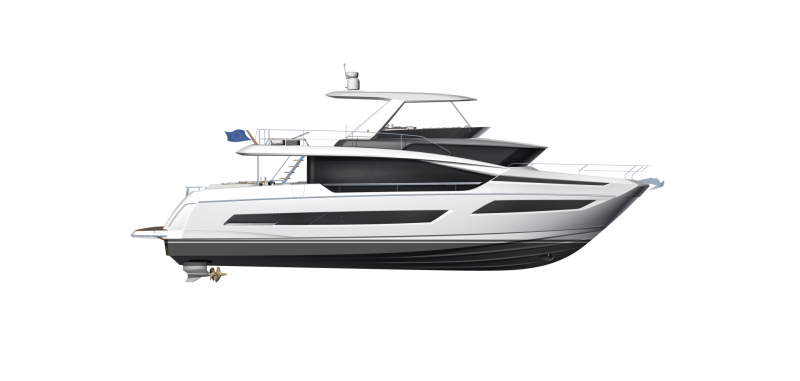
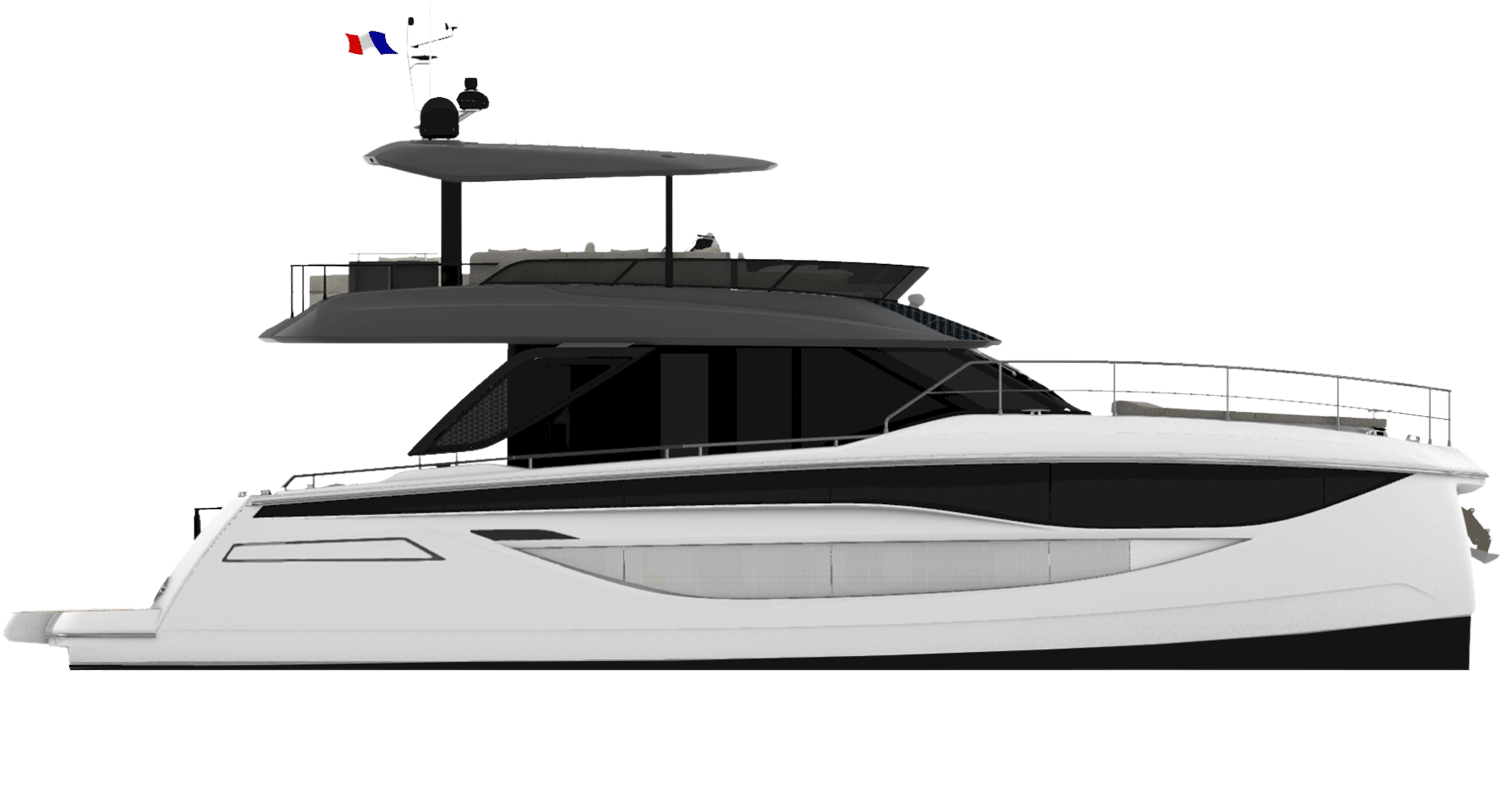
Exploring these magnificent destinations becomes even more rewarding when you’re aboard vessels designed for mediterranean yachting. Professional charter specialists familiar with Turkish coastal waters can help you plan the perfect archaeological itinerary. If you’d like expert guidance on combining luxury yachting with historical exploration along the Lycian Coast, reach out to discuss your specific interests and requirements.
Conclusion
The Lycian Coast delivers an unmatched combination of accessible ancient ruins and excellent yachting conditions. You can anchor in protected harbours that served ancient civilizations and walk directly to tombs, theatres, and temples carved into dramatic coastal cliffs. Planning your itinerary around key ports like Kaş, Fethiye, and Göcek gives you convenient access to the region’s most impressive archaeological treasures whilst enjoying comfortable marina facilities.
At Lengers Yachts, we understand that the most memorable yacht experiences combine natural beauty with cultural discovery. The Lycian Coast represents exactly this kind of destination, where every anchorage offers both historical fascination and stunning Mediterranean scenery. Whether you’re planning your first archaeological sailing adventure or adding to your collection of cultural explorations, this remarkable stretch of Turkish coastline rewards curious travellers with experiences that connect ancient history to contemporary luxury yachting.
FAQ broken data: JSON error 4