





10.04.2026
What is the difference between displacement and planing super yachts?
Displacement and planing superyachts represent two fundamentally different approaches to hull design, each offering distinct advantages in luxury vessel performance. Displacement hulls move through the water by pushing it aside, operating at lower speeds with exceptional stability and fuel efficiency. Planing hulls, conversely, rise above the water’s surface at higher speeds, reducing drag and enabling faster cruising. Your choice between these hull types significantly affects your superyacht’s speed capabilities, fuel consumption, comfort, and overall operating characteristics.
Understanding these differences helps you make informed decisions when selecting your ideal luxury vessel, as each hull type suits different cruising preferences and operational requirements.
What is the difference between displacement and planing superyachts?
Displacement superyachts move through the water by pushing it aside, keeping their full weight in the water at all times, while planing superyachts lift partially out of the water at higher speeds to reduce drag and achieve faster cruising speeds.
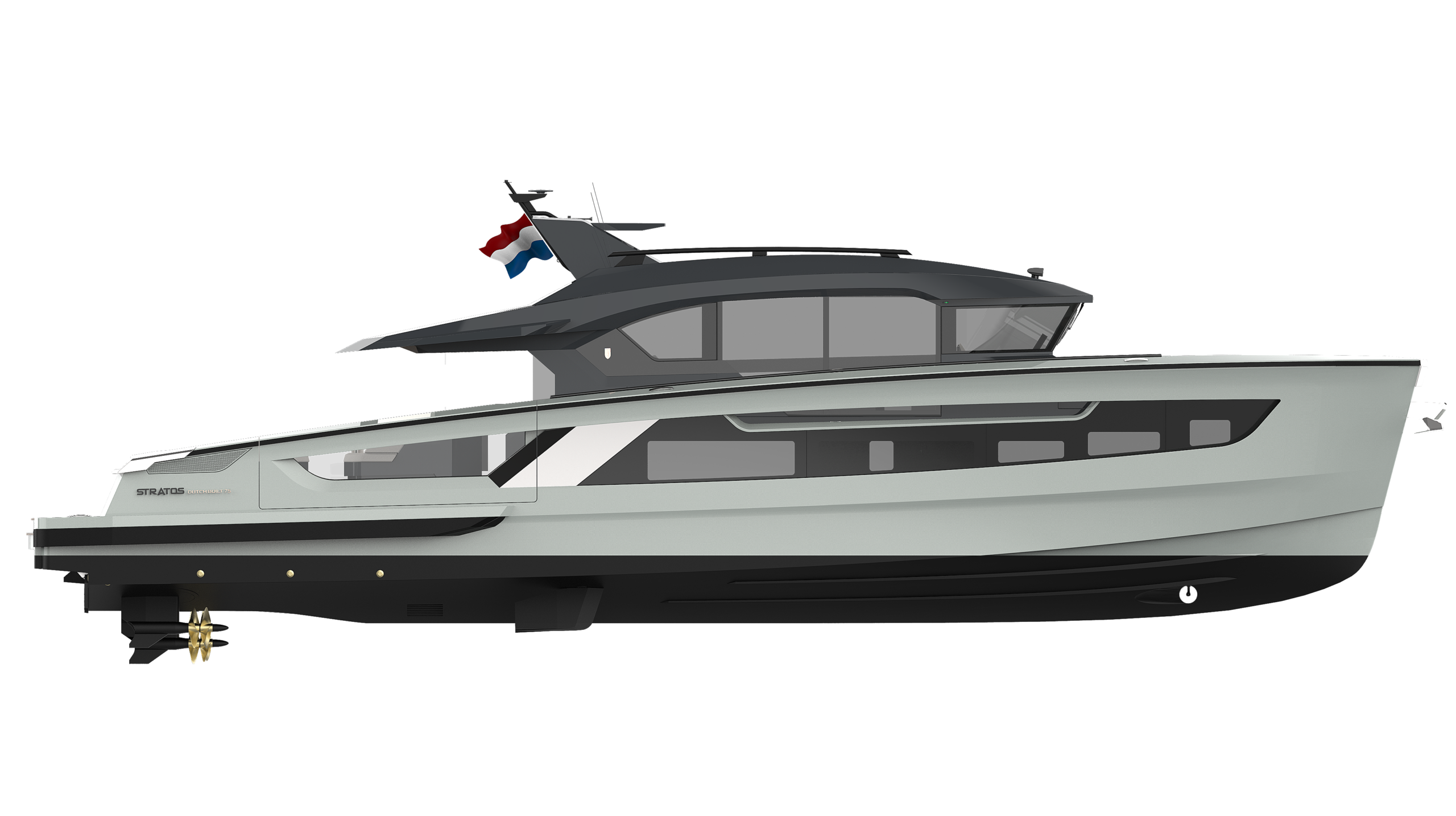
Displacement hulls operate on Archimedes’ principle: the vessel displaces a volume of water equal to its weight. These hulls maintain a deep, stable position in the water regardless of speed, typically cruising between 8 and 15 knots. The hull shape features a rounded or V-shaped bottom that cuts through the water efficiently at displacement speeds.
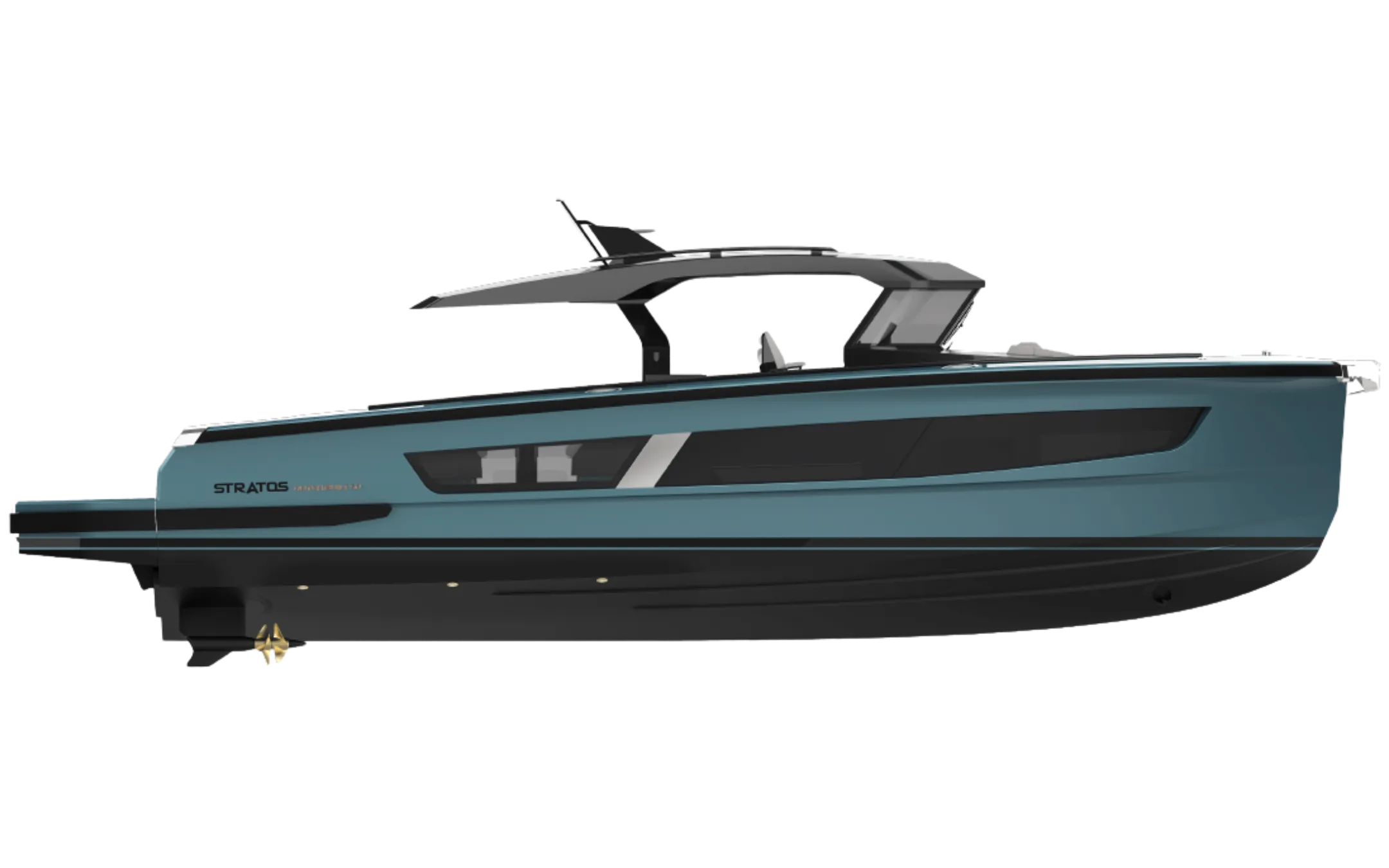
Planing hulls transition from displacement mode at low speeds to planing mode when sufficient power lifts the bow and reduces the wetted surface area. This transition typically occurs around 15–20 knots, allowing these vessels to achieve speeds of 25–40+ knots. The hull design incorporates flatter sections aft and specific angles that generate lift at higher speeds.
The fundamental distinction lies in how each hull type interacts with the water. Displacement hulls work with water resistance, while planing hulls overcome it by generating lift, creating entirely different performance characteristics and operating experiences.
How do displacement and planing hulls affect superyacht performance?
Displacement hulls provide superior fuel efficiency and longer range at moderate speeds, while planing hulls deliver significantly higher top speeds but consume more fuel and offer reduced range.
Displacement superyachts excel in long-range cruising, often achieving ranges of 3,000–6,000 nautical miles at economical speeds. Their deep-water operation creates minimal wake and allows for consistent performance in various sea conditions. These vessels maintain steady progress regardless of load changes, making them ideal for extended voyages and ocean crossings.
Planing superyachts prioritize speed and agility, reducing travel time between destinations. Their ability to lift out of the water decreases resistance dramatically, enabling rapid acceleration and high-speed cruising. However, this performance comes with increased fuel consumption—particularly during the transition from displacement to planing mode—and reduced range compared to displacement vessels of similar size.
Weather sensitivity also differs significantly between hull types. Displacement hulls maintain consistent performance in moderate seas, while planing hulls may need to reduce speed in rough conditions to maintain comfort and safety, as their elevated running attitude can make them more susceptible to wave impact.
Which superyacht hull type offers better stability and comfort?
Displacement hulls provide superior stability and comfort due to their low center of gravity and deep-water operation, while planing hulls offer a more dynamic—but potentially less stable—ride, especially in rough sea conditions.
The stability advantage of displacement hulls stems from their design principles. Their heavy construction and deep draft create a low center of gravity, resulting in gentle rolling motions and predictable behavior in various sea states. The hull remains fully immersed, providing consistent buoyancy and reducing sudden movements that can cause discomfort.
Displacement superyachts typically feature advanced stabilization systems that work more effectively due to the hull’s consistent contact with the water. These systems can significantly reduce roll, creating an exceptionally comfortable environment for guests and crew both underway and at anchor.
Planing hulls, while offering exciting performance, experience more pronounced changes in motion as they transition between displacement and planing modes. At planing speeds, these vessels ride higher and may encounter more wave impact, creating a more dynamic experience. However, modern planing superyachts incorporate sophisticated suspension systems and hull designs that minimize harsh impacts while maintaining high-speed capability.
What are the maintenance and operational differences between hull types?
Displacement hulls typically require less frequent propulsion-system maintenance and consume significantly less fuel, while planing hulls demand more intensive engine servicing and higher operating costs due to their high-performance powertrains and increased fuel consumption.
Displacement superyachts usually feature fewer, larger engines operating at lower RPM, resulting in reduced wear and longer service intervals. Their propulsion systems operate within conservative parameters, extending component life and reducing maintenance frequency. The hull’s deep draft also provides better protection for running gear, including propellers and shafts.
Planing superyachts require multiple high-performance engines operating under higher loads to achieve their speed capabilities. These powertrains demand more frequent servicing, premium lubricants, and specialized maintenance expertise. The engines work harder during planing transitions and high-speed operation, accelerating wear on critical components.
Operating costs extend beyond maintenance to include fuel-consumption patterns. Displacement hulls maintain relatively consistent fuel-burn rates across their operating range, while planing hulls experience dramatic increases in consumption during acceleration and high-speed cruising. Insurance costs may also vary, as planing hulls’ higher speeds and performance capabilities can influence premium calculations.
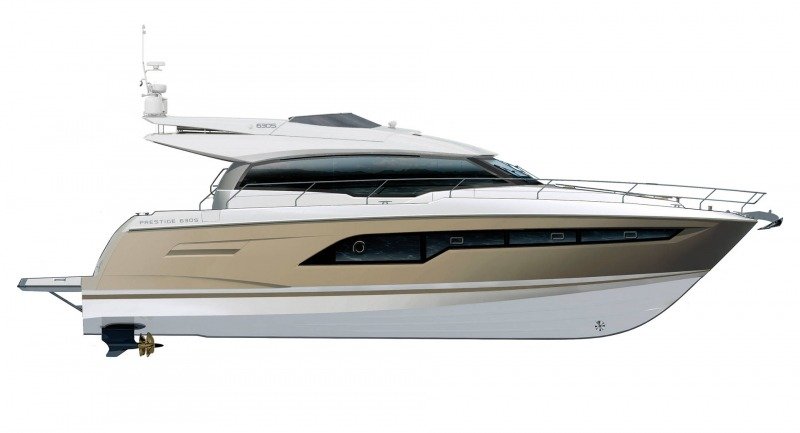
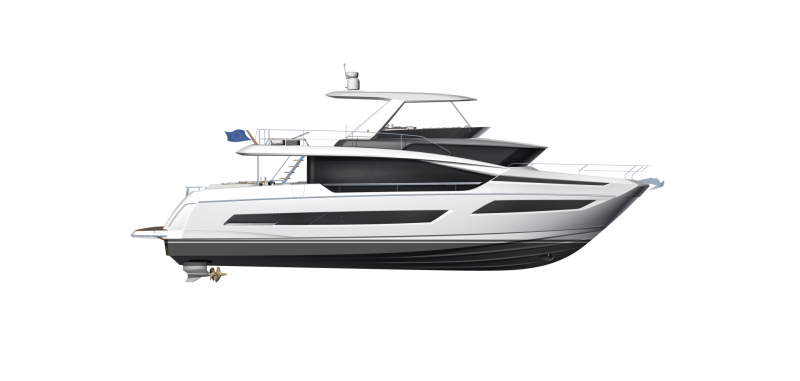
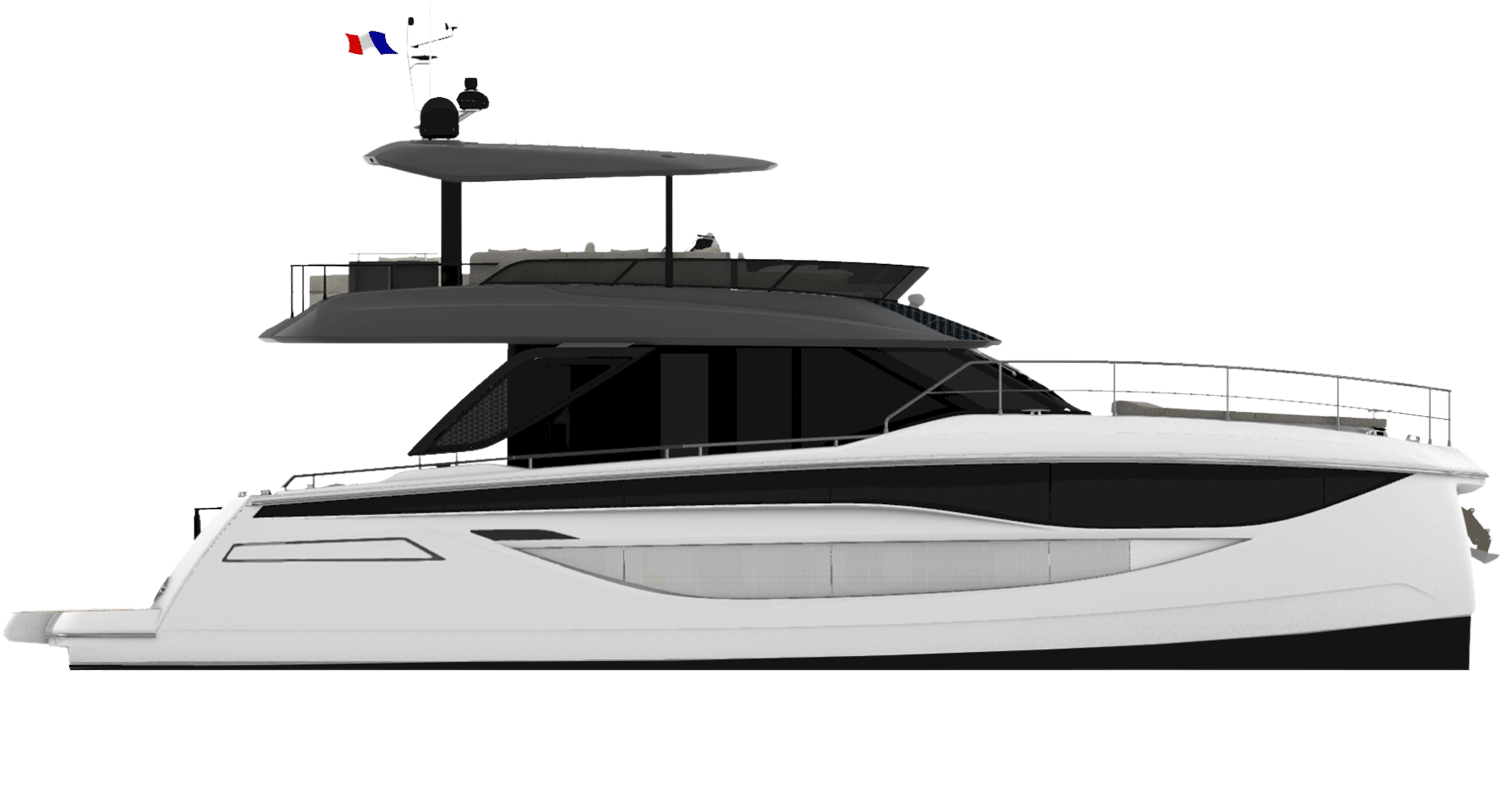
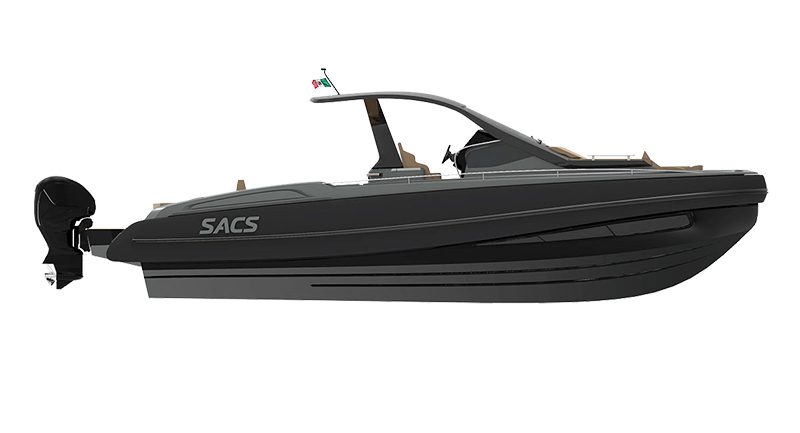
When selecting your ideal superyacht, consider how these hull characteristics align with your cruising preferences and operational priorities. At Lengers Yachts, we represent prestigious brands like Sanlorenzo, Prestige, and SACS, offering both displacement and planing options across our luxury yacht portfolio. Our expertise in Northern European waters helps match clients with vessels that perfectly suit their maritime lifestyle, whether prioritizing long-range comfort or high-speed performance. Contact our team to explore how different hull types can enhance your yachting experience.
Frequently Asked Questions
Can a planing superyacht operate efficiently at displacement speeds?
Yes, planing superyachts can operate at displacement speeds, but they're typically less fuel-efficient than dedicated displacement hulls in this mode. The hull design optimized for planing creates more drag at low speeds, resulting in higher fuel consumption per nautical mile compared to displacement vessels of similar size.
What size range is most suitable for each hull type?
Displacement hulls are ideal for superyachts over 80 feet where comfort and range are priorities, while planing hulls work best in the 40-100 foot range where speed and agility are valued. Above 100 feet, the power requirements for planing become increasingly impractical and expensive.
How do I determine which hull type matches my cruising style?
Consider your typical voyage patterns: if you prefer leisurely cruising, long-distance travel, or spending extended time at anchor, choose displacement. If you value quick trips between destinations, enjoy dynamic performance, or cruise primarily in protected waters, planing hulls offer better satisfaction.
What are the typical speed ranges I can expect from each hull type?
Displacement superyachts typically cruise at 10-15 knots with maximum speeds around 16-18 knots, while planing superyachts cruise at 20-30 knots and can achieve top speeds of 35-50+ knots depending on size and power. The speed difference becomes most pronounced in the 25+ knot range.
Are there hybrid hull designs that combine both displacement and planing characteristics?
Yes, semi-displacement hulls offer a compromise between both types, providing better fuel efficiency than pure planing hulls while achieving higher speeds than traditional displacement designs. These hulls typically cruise efficiently at 15-20 knots and can reach speeds up to 25-30 knots when needed.
How do charter and resale values differ between hull types?
Displacement superyachts often hold stronger resale values due to their versatility and lower operating costs, making them attractive to a broader buyer base. Planing hulls may have higher charter appeal for clients seeking performance and excitement, but their higher operating costs can impact charter profitability and long-term value retention.