





13.04.2026
What safety equipment is required on a super yacht?
Superyacht safety equipment requirements are governed by international maritime regulations that mandate specific systems based on vessel size, passenger capacity, and operating area. All superyachts must carry essential life-saving equipment, including life rafts, personal flotation devices, emergency beacons, fire suppression systems, and communication devices. The exact requirements vary depending on whether your yacht operates under MCA (Maritime and Coastguard Agency), flag-state, or other international regulations.
Understanding these safety requirements helps ensure compliance throughout yacht ownership and protects both passengers and crew during maritime adventures. Let’s explore the specific equipment mandates and regulations that apply to luxury superyachts.
What Safety Equipment Is Mandatory on All Superyachts?
All superyachts must carry life rafts with capacity for 100% of the persons on board, individual life jackets for every person, emergency position-indicating radio beacons (EPIRBs), flares, fire extinguishers, first aid kits, and VHF radio communication systems. These items form the core safety foundation required by international maritime law.
Beyond these basics, larger superyachts typically require additional equipment, including immersion suits for cold-water operations, satellite communication systems, emergency lighting, bilge pumps, and distress-alerting systems. The specific quantity and type of equipment scale with your yacht’s gross tonnage and passenger capacity.
Navigation safety equipment also plays a vital role, including GPS systems, radar, depth sounders, and charts covering your operating areas. Many superyachts also carry rescue boats or tenders specifically designated for emergency evacuation, particularly on vessels exceeding 24 meters in length.
How Do International Safety Regulations Differ for Superyachts?
International superyacht safety regulations vary significantly based on flag-state registration, operating waters, and commercial versus private use. MCA regulations for UK-flagged yachts often require more comprehensive safety systems than those of some other flag states, while yachts operating in US waters must comply with Coast Guard requirements that may differ from European standards.
Commercial charter yachts face stricter requirements than private vessels, including enhanced fire suppression systems, additional life-saving equipment, and mandatory safety management systems. Flag states such as Malta, the Cayman Islands, and the Marshall Islands each maintain distinct safety codes that affect equipment specifications and inspection schedules.
The Large Yacht Code (LY3) applies to yachts over 24 meters, establishing baseline international standards, but individual countries may impose additional requirements. For example, yachts entering certain territorial waters may need specific equipment, such as AIS transponders or particular types of emergency beacons, to comply with local regulations.
What Fire Safety Systems Are Required on Luxury Yachts?
Superyachts must install comprehensive fire detection and suppression systems, including smoke detectors throughout accommodation areas, fixed fire suppression systems in engine rooms and other high-risk spaces, portable fire extinguishers strategically placed throughout the vessel, and emergency escape breathing devices for crew areas.
Engine-room fire suppression typically uses CO2 or clean-agent systems that can quickly suppress fires without damaging sensitive equipment. Galley areas require specialized suppression systems designed for cooking fires, while accommodation spaces need smoke detection systems connected to central monitoring panels.
Fire safety equipment also includes fire blankets, emergency lighting systems that activate during power failures, and clearly marked escape routes with illuminated exit signs. Larger superyachts may require sprinkler systems in certain areas and fire doors that automatically close during emergencies to contain the spread of fire.
How Often Must Superyacht Safety Equipment Be Inspected?
Superyacht safety equipment requires annual inspections by certified marine surveyors, with specific items like life rafts needing service every 12 months and EPIRBs requiring battery replacement every 5–6 years. Fire suppression systems typically need professional inspection every 12 months, while portable fire extinguishers require annual checks and periodic recharging.
Life jackets and immersion suits need annual visual inspections and periodic replacement based on manufacturer specifications and wear patterns. Communication equipment, including VHF radios and satellite systems, should undergo annual functionality testing to ensure reliable operation during emergencies.
Many yacht owners schedule comprehensive safety inspections before each cruising season, allowing time to address any deficiencies before departure. Professional yacht management companies often coordinate these inspections as part of regular maintenance schedules, ensuring compliance with flag-state requirements and insurance policies.
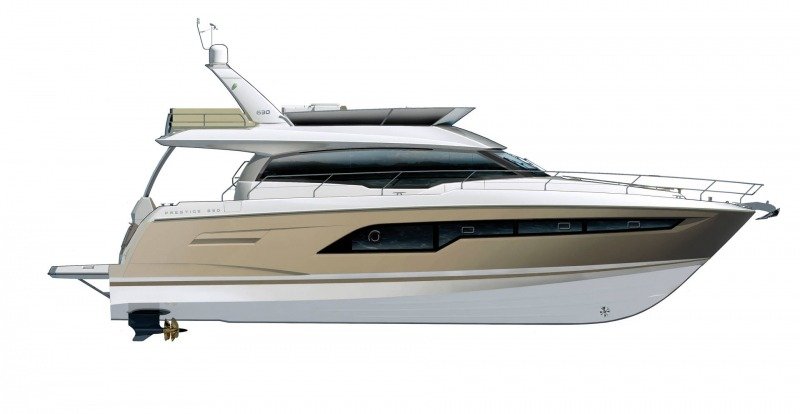
When considering your next superyacht purchase, we at Lengers Yachts help you understand all safety requirements and ensure your chosen vessel meets international standards. Our expertise with prestigious brands like Sanlorenzo and Prestige Yachts means we can guide you through safety compliance from initial yacht selection through ownership. Contact us to discuss how we can help you find a superyacht that combines luxury with comprehensive safety systems.
Frequently Asked Questions
What happens if my superyacht safety equipment fails inspection?
If safety equipment fails inspection, you'll typically receive a deficiency report outlining required repairs or replacements. Most flag states allow a grace period (usually 30-90 days) to address issues, but serious deficiencies may result in detention until resolved. Work with certified marine suppliers to source compliant replacement equipment and schedule re-inspection promptly.
Can I use my superyacht's safety equipment for other purposes during normal operations?
Safety equipment should remain dedicated to emergency use and not be repurposed for routine operations. Using life rafts as storage or fire extinguishers for non-emergency purposes can compromise their effectiveness and violate maritime regulations. Always maintain dedicated safety equipment in ready-to-use condition and consider purchasing separate equipment for operational needs.
How much should I budget annually for superyacht safety equipment maintenance and replacement?
Budget approximately 2-4% of your yacht's value annually for safety equipment maintenance, inspections, and replacements. This includes life raft servicing ($2,000-5,000), EPIRB battery replacements ($500-1,500), fire system inspections ($3,000-8,000), and miscellaneous equipment updates. Larger yachts with complex systems may require higher budgets.
What safety equipment differences should I expect when chartering my superyacht commercially?
Commercial charter operations require enhanced safety equipment including additional life rafts, professional-grade fire suppression systems, emergency escape breathing devices for all crew, and comprehensive safety management systems. You'll also need increased quantities of personal flotation devices and may require specialized training equipment for safety drills and passenger briefings.
Are there any safety equipment exemptions for superyachts that only operate in protected coastal waters?
Limited exemptions may apply for yachts operating exclusively in protected waters, such as reduced life raft capacity or alternative flotation devices. However, most core safety equipment remains mandatory regardless of operating area. Consult your flag state authority and marine surveyor to understand specific exemptions available for your intended cruising grounds.
How do I ensure my crew is properly trained to use all safety equipment?
Implement regular safety drills covering equipment operation, conduct annual training sessions with certified marine safety instructors, and maintain training records for insurance and regulatory compliance. Many yacht management companies offer comprehensive crew safety training programs that cover equipment use, emergency procedures, and regulatory requirements specific to your yacht's systems.
What should I do if I'm purchasing a pre-owned superyacht with outdated safety equipment?
Commission a comprehensive safety equipment survey before purchase to identify all deficiencies and estimate replacement costs. Factor these expenses into your purchase negotiations and timeline, as some equipment may have long lead times. Work with experienced yacht brokers who can help assess compliance status and coordinate necessary upgrades with qualified marine suppliers.