






14.05.2026
How long can a super yacht stay at sea?
Most superyachts can stay at sea for 10 to 20 days without refueling, depending on their size, fuel capacity, and cruising conditions. Larger superyachts over 100 feet typically have greater range and can remain at sea longer due to their substantial fuel tanks and efficient onboard systems. The actual duration depends on factors such as weather conditions, cruising speed, and onboard power consumption.
Understanding these limitations helps you plan extended voyages and choose the right vessel for your maritime adventures. Let’s explore the key factors that determine how long your superyacht can stay at sea.
What factors determine how long a superyacht can stay at sea?
The length of time a superyacht can stay at sea depends primarily on fuel capacity, consumption rates, water storage, and food supplies. Most superyachts are limited by fuel availability rather than other provisions, as modern vessels carry sophisticated water makers and ample storage for extended voyages.
Fuel tank capacity varies significantly by yacht size and design. A 100-foot superyacht typically carries 3,000 to 8,000 gallons of fuel, while larger vessels over 150 feet may hold 15,000 to 30,000 gallons or more. The yacht’s cruising speed directly affects consumption rates, with slower speeds dramatically extending range.
Weather conditions play a major role in determining time at sea. Rough seas increase fuel consumption by 20–40% as engines work harder against waves and wind. Calm conditions allow for optimal efficiency and maximum range.
Onboard systems also affect time at sea. Air conditioning, lighting, galley equipment, and entertainment systems all draw power from generators, which consume additional fuel. Efficient power management systems help optimize fuel usage across all onboard needs.
How far can different sizes of superyachts travel without refueling?
Superyacht range varies dramatically by size, with 80- to 100-foot yachts typically achieving 800 to 1,200 nautical miles, while larger vessels over 150 feet can travel 2,000 to 4,000 nautical miles without refueling. These ranges assume optimal cruising speeds and favorable conditions.
Smaller superyachts in the 80- to 100-foot category usually achieve their best range at 8 to 12 knots, consuming 40 to 80 gallons per hour. This translates to roughly 800 to 1,200 nautical miles of range, sufficient for coastal cruising and short ocean crossings.
Mid-size superyachts between 100 and 150 feet offer an improved range of 1,500 to 2,500 nautical miles. Their larger fuel tanks and more efficient hull designs allow for extended voyages while maintaining comfortable cruising speeds of 10 to 14 knots.
Large superyachts over 150 feet provide the greatest range, often exceeding 3,000 nautical miles. These vessels feature massive fuel capacities and advanced hull designs optimized for long-distance cruising. Some expedition-style superyachts can achieve ranges of 4,000 to 6,000 nautical miles.
What onboard systems limit extended ocean voyages?
Water production capacity, waste management systems, and fresh food storage typically limit extended voyages more than fuel on modern superyachts. Most luxury vessels carry water makers that produce 500 to 2,000 gallons per day, but the power consumption of these systems affects overall fuel usage.
Water makers require significant electrical power, consuming 4 to 8 kilowatts per hour of operation. This translates to additional generator runtime and fuel consumption, especially on longer voyages where fresh water production becomes continuous.
Waste management systems have finite capacity for graywater and blackwater storage. While some superyachts feature advanced treatment systems, others rely on holding tanks that require regular pump-out services, limiting time between port visits.
Refrigeration and freezer capacity determine how long fresh food can be stored. Most superyachts carry 7 to 14 days of fresh provisions, though this can extend to 21 to 30 days with careful planning and additional freezer space.
Air conditioning systems consume substantial power in warm climates, requiring continuous generator operation. This can increase fuel consumption by 15–25% during extended voyages in tropical waters.
How do superyacht fuel consumption rates vary by cruising conditions?
Fuel consumption rates increase by 30–50% in rough seas compared to calm conditions, with speed being the most significant factor. Doubling cruising speed typically quadruples fuel consumption due to hydrodynamic resistance principles.
Sea state dramatically affects consumption rates. In 3- to 4-foot seas, consumption may increase by 20–30% as engines work harder to maintain speed. In 6- to 8-foot seas, consumption can jump by 40–60% as the yacht pounds through waves and experiences increased drag.
Wind direction and strength significantly affect fuel usage. Headwinds increase consumption by 15–25%, while following seas can reduce consumption by 10–15%. Beam seas create the most challenging conditions, often increasing fuel usage by 25–35%.
Cruising speed optimization provides the greatest fuel savings. Most superyachts achieve peak efficiency at 60–70% of maximum speed. Operating at this “sweet spot” can extend range by 40–60% compared to high-speed cruising.
Load factors also affect consumption. A fully loaded yacht with guests, crew, supplies, and full water tanks will consume 10–20% more fuel than a lightly loaded vessel due to increased displacement and draft.
What provisions and supplies do superyachts need for extended voyages?
Extended superyacht voyages require careful provisioning of fuel, fresh water, food supplies, spare parts, and safety equipment for 20 to 30 days at sea. Proper planning ensures comfort and safety while maximizing time between port visits.
Fuel planning should include 20–30% reserves beyond calculated consumption. This buffer accounts for weather delays, detours, and unexpected conditions that increase fuel usage. Most experienced captains plan for worst-case scenarios rather than optimal conditions.
Fresh water requirements average 50 to 100 gallons per person per day, including drinking, cooking, and sanitation needs. Water makers can supplement stored water, but backup supplies remain important in case of equipment failure.
Food provisioning requires balancing fresh ingredients with preserved and frozen items. A typical 14-day voyage requires careful menu planning, with fresh produce lasting 5 to 7 days and frozen proteins covering the remaining period.
Spare parts inventory should include critical engine components, filters, belts, and electronic backup systems. Remote ocean locations offer limited repair options, making onboard spares essential for extended voyages.
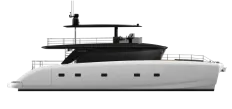
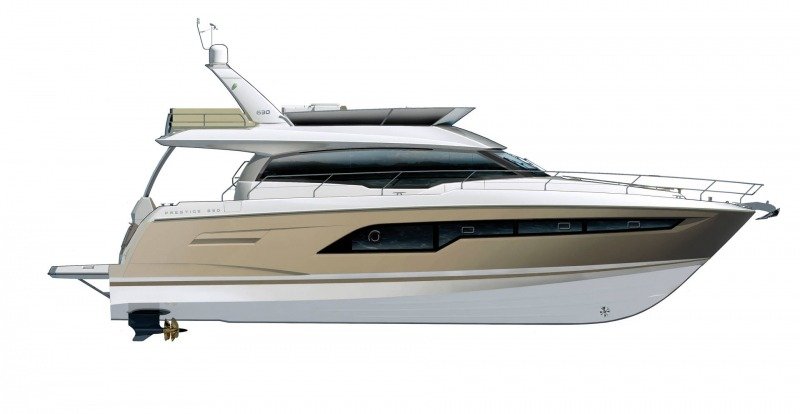
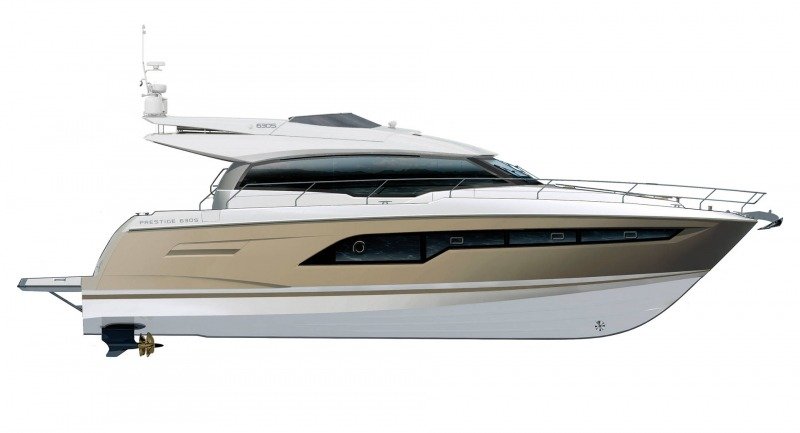
When planning your next extended superyacht adventure, we at Lengers Yachts can help you select the perfect vessel for your voyage requirements. Our expertise with brands such as Sanlorenzo and Prestige ensures you’ll find a superyacht optimized for long-range cruising. Browse our available yachts or contact our team to discuss your specific cruising plans and vessel needs.
Frequently Asked Questions
How can I calculate the exact fuel consumption for my planned superyacht route?
Use your yacht's specific consumption rate (gallons per hour at cruising speed) multiplied by estimated travel time, then add 20-30% for weather contingencies. Consider using yacht performance software or consult with your captain to factor in route-specific conditions like currents, typical weather patterns, and seasonal variations for more accurate planning.
What should I do if my superyacht runs low on fuel during an extended voyage?
Immediately reduce speed to maximum efficiency (typically 8-10 knots), minimize onboard power consumption, and contact nearby ports or fuel delivery services. Many remote locations offer fuel barge services, though at premium prices. Always maintain emergency communication equipment and file detailed voyage plans with local authorities.
Can superyachts refuel at sea, and what are the options for remote locations?
Yes, superyachts can refuel at sea through fuel barges, ship-to-ship transfers, or specialized fuel delivery services in remote areas. These services are available in popular cruising regions like the Caribbean, Mediterranean, and Pacific islands, though they're significantly more expensive than marina fuel and require advance coordination.
How do I optimize my superyacht's range without sacrificing comfort?
Focus on speed optimization (cruise at 60-70% of maximum speed), use efficient route planning to avoid headwinds, and implement smart power management by running air conditioning and water makers during optimal engine hours. Modern yacht management systems can help balance comfort with efficiency automatically.
What are the most common mistakes owners make when planning extended superyacht voyages?
The biggest mistakes include underestimating fuel consumption in rough weather, failing to account for generator fuel usage for onboard systems, not carrying adequate spare parts for critical systems, and insufficient crew rest planning. Many owners also forget to factor in fuel quality issues in remote locations, which can affect engine performance.
How far in advance should I start planning a transoceanic superyacht voyage?
Begin planning 3-6 months in advance for transoceanic crossings. This allows time for crew scheduling, weather window analysis, provisioning coordination, mechanical inspections, and fuel delivery arrangements at remote stops. Complex routes like Pacific crossings may require 6-12 months of preparation.
What backup systems should my superyacht have for extended ocean voyages?
Essential backup systems include redundant navigation equipment, emergency generators, backup water makers, satellite communication systems, and emergency fuel transfer pumps. Consider portable generators, manual bilge pumps, and emergency steering systems. Many experienced owners also carry spare fuel filters, engine belts, and electronic components for critical systems.