






20.05.2026
How do you negotiate a super yacht purchase price?
Negotiating a superyacht purchase requires an understanding of market dynamics, thorough preparation, and strategic timing. The key to successful price negotiation lies in researching comparable sales, understanding the yacht’s condition and history, and working with experienced professionals who know the luxury marine market. Most superyachts have negotiation room of 5–15%, depending on market conditions, age, and seller motivation.
Unlike standard boat purchases, superyacht negotiations involve complex factors, including custom features, maintenance history, and exclusive positioning, all of which can significantly affect the final price. Success depends on thorough preparation and an understanding of the unique dynamics of the luxury yacht market.
What Factors Determine a Superyacht’s Market Value?
A superyacht’s market value depends on its age, condition, brand prestige, size, custom features, and maintenance history. The yacht’s provenance, including previous ownership and charter history, significantly influences pricing, alongside current market demand for similar vessels.
Brand reputation plays a major role in value retention. Prestigious builders like Sanlorenzo, Feadship, or Lürssen maintain stronger resale values due to their reputation for craftsmanship and limited production numbers. The yacht’s specifications, including engine hours, recent upgrades, and compliance with current regulations, directly affect market positioning.
Location and seasonality also affect valuation. Yachts positioned in prime locations during peak season command higher prices, while those requiring repositioning or major surveys may see reduced values. Market conditions in the luxury segment can shift based on economic factors affecting ultra-high-net-worth individuals.
How Much Room Is There for Price Negotiation on Luxury Yachts?
Price negotiation room on luxury yachts typically ranges from 5–15% of the asking price, though this varies significantly based on market conditions, yacht age, and seller motivation. Newer yachts from prestigious builders may have less negotiation flexibility, while older or charter yachts often provide more room for price reduction.
Several factors influence negotiation potential. Yachts that have been on the market for extended periods, those requiring an immediate sale due to owner circumstances, or vessels with higher maintenance needs typically offer more negotiation opportunity. Seasonal timing also matters, with end-of-season sales often providing better negotiating positions.
Custom or unique yachts present different negotiation dynamics. While their exclusivity can command premium pricing, finding the right buyer may take longer, potentially creating negotiation opportunities for serious purchasers who appreciate the yacht’s specific features.
What’s the Role of a Yacht Broker in Price Negotiations?
A yacht broker serves as your professional negotiator, leveraging market knowledge, relationship networks, and transaction experience to secure favorable pricing and terms. They provide objective market analysis, handle complex negotiations, and protect your interests throughout the purchasing process.
Experienced brokers understand seller motivations and market-positioning strategies that individual buyers might miss. They can identify when a yacht is overpriced, recognize signs of seller flexibility, and structure offers that appeal to sellers while protecting the buyer’s interests. Their professional relationships often provide access to off-market opportunities and insider knowledge about specific yachts.
Brokers also handle the technical aspects of negotiations, including survey contingencies, delivery terms, and warranty provisions. They coordinate with legal professionals, surveyors, and financial institutions to ensure smooth transactions while maintaining negotiation momentum.
How Do You Research Fair Market Value Before Making an Offer?
Research fair market value by analyzing comparable sales data, consulting multiple yacht brokers, and reviewing current market listings for similar vessels. Professional yacht valuation services and recent survey reports provide additional insights into realistic pricing expectations.
Start by identifying truly comparable yachts, considering age, size, builder, condition, and specifications. Recent sales data, though often confidential, can be accessed through broker networks and industry databases. Pay attention to how long similar yachts have been on the market, as extended listing periods often indicate overpricing.
Professional surveys and condition reports reveal potential hidden costs that affect true value. Factor in upcoming maintenance requirements, regulatory compliance needs, and any necessary upgrades when calculating your maximum offer price. Consider engaging an independent yacht appraiser for high-value purchases to ensure an objective market assessment.
What Negotiation Strategies Work Best for Superyacht Purchases?
Successful superyacht negotiation strategies include thorough preparation, flexible timing, and professional representation, combined with clear communication of your serious intent to purchase. Focus on total transaction value rather than just price, including terms, delivery conditions, and included equipment.
Present well-researched offers based on comparable market data rather than arbitrary price reductions. Demonstrate financial capability early in negotiations to establish credibility and serious-buyer status. Consider non-price elements like the closing timeline, survey contingencies, and equipment inclusion as negotiation tools.
Maintain professional relationships throughout negotiations. The luxury yacht market is relationship-driven, and maintaining positive interactions with sellers and their representatives can influence final outcomes. Be prepared to walk away if negotiations do not meet your parameters, as this position often leads to improved offers.
How Does Financing Affect Your Negotiation Position?
Strong financing pre-approval significantly strengthens your negotiation position by demonstrating serious buyer intent and enabling a quick closing. Cash purchases provide maximum negotiation leverage, while well-structured financing can still support competitive offers when properly arranged.
Pre-arranged financing eliminates uncertainty for sellers and allows you to act quickly on opportunities. Many sellers prefer buyers with confirmed financing over those requiring financing contingencies, as this reduces transaction risk and potential delays. Your financing terms can also influence negotiation strategies, as shorter financing periods may justify price concessions.
Consider how financing costs affect your total investment when structuring offers. Sometimes, accepting a slightly higher purchase price in exchange for favorable seller financing or extended payment terms provides better overall value. Work with marine financing specialists who understand luxury yacht transactions and can structure competitive terms.
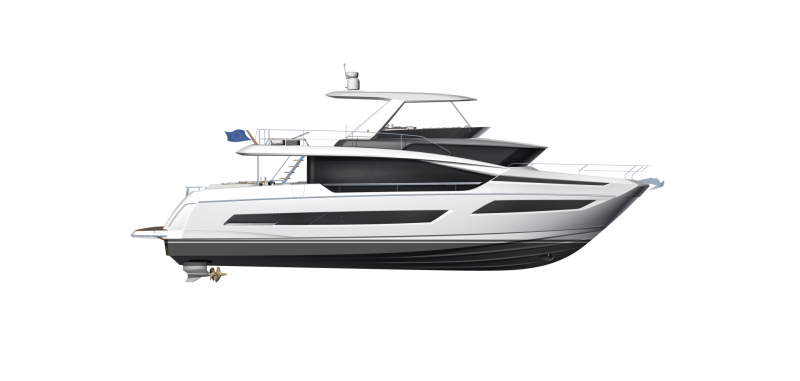
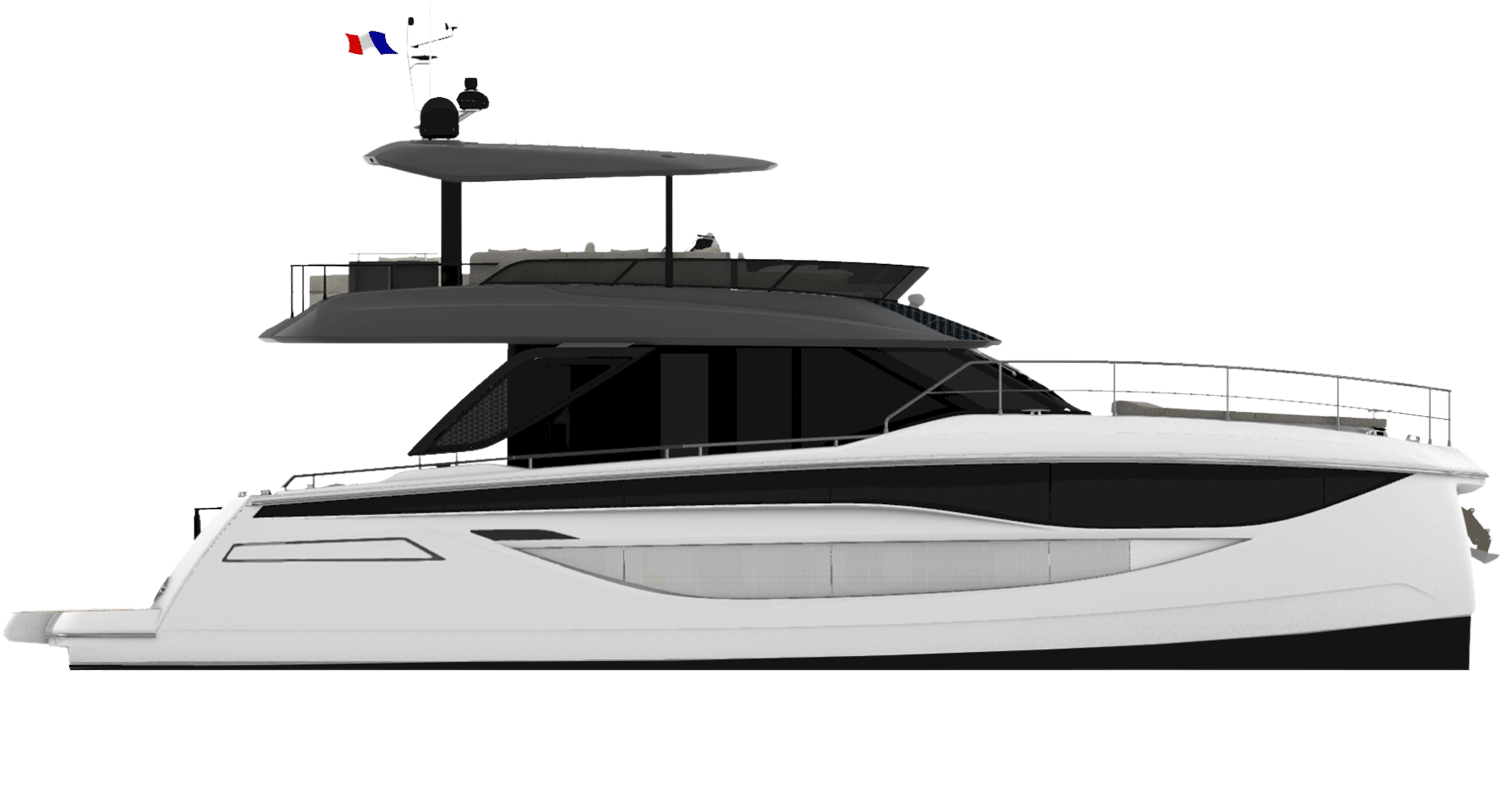
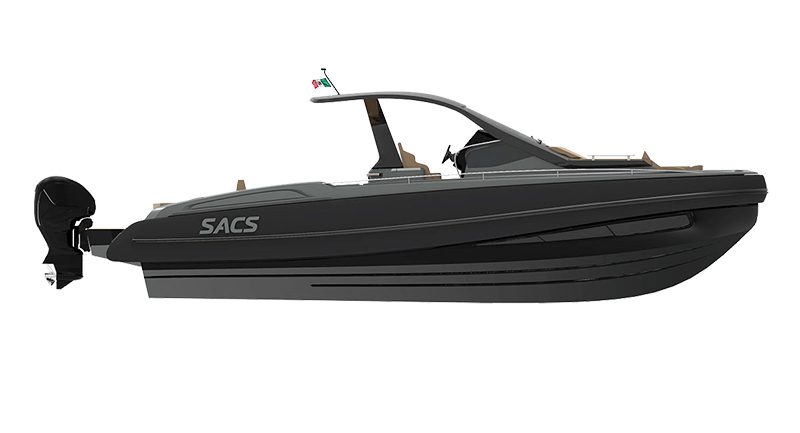
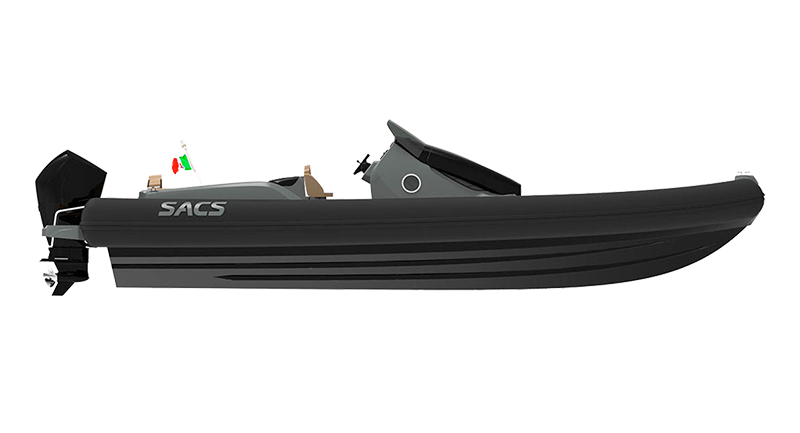
When you’re ready to begin your superyacht search, we at Lengers Yachts offer access to an exceptional portfolio of luxury vessels from prestigious brands, including Sanlorenzo, Prestige, and SACS. Our five decades of experience in the Northern European market, combined with our comprehensive understanding of yacht valuations and market dynamics, position us to guide you through every aspect of your purchase negotiation. Explore our current yacht inventory or contact our experienced team to discuss your specific requirements and negotiation strategy for your next luxury yacht acquisition.
Frequently Asked Questions
What are the most common mistakes buyers make during superyacht price negotiations?
The most common mistakes include making lowball offers without market research, focusing solely on price rather than total deal value, and rushing negotiations without proper due diligence. Many buyers also underestimate the importance of timing and fail to demonstrate financial credibility early in the process, which can weaken their negotiating position significantly.
How long should I expect the negotiation process to take for a superyacht purchase?
Superyacht negotiations typically take 2-6 weeks, depending on the complexity of the deal and responsiveness of both parties. Simple transactions with motivated sellers can close faster, while complex negotiations involving extensive surveys, financing arrangements, or multiple counteroffers may extend to several months. Having pre-approved financing and experienced representation can significantly accelerate the timeline.
Should I negotiate differently for a charter yacht versus a privately-owned vessel?
Yes, charter yachts often require different negotiation approaches as they typically have higher engine hours, more wear, and detailed maintenance records. However, they may also have better documentation and professional management history. Charter yachts often have more negotiation room due to commercial depreciation, but factor in potential refit costs when structuring your offer.
What happens if the yacht survey reveals significant issues during negotiations?
Survey findings provide legitimate grounds for renegotiating price or requesting repairs before closing. Your broker should help quantify repair costs and present options to the seller: price reduction, seller-completed repairs, or escrow arrangements for future work. Serious structural or mechanical issues may justify walking away from the deal entirely.
How do I know when to walk away from a superyacht negotiation?
Walk away when the seller refuses reasonable offers based on market data, won't address significant survey issues, or when the total cost exceeds your budget including hidden expenses. Also consider walking away if the seller demonstrates inflexibility on essential terms or if you discover undisclosed problems that fundamentally change the yacht's value proposition.
Can I negotiate the inclusion of additional equipment or services in the purchase?
Absolutely. Tenders, water toys, spare parts, crew contracts, or even repositioning services can be negotiated as part of the deal. Sometimes sellers prefer to include valuable equipment rather than reduce the headline price. Create a prioritized list of desired inclusions and use them strategically during negotiations to add value without necessarily reducing the purchase price.
How do seasonal factors affect my negotiating power when buying a superyacht?
End-of-season purchases (typically fall/winter) often provide stronger negotiating positions as sellers face storage costs and reduced showing opportunities. Conversely, peak season purchases may limit negotiation room but offer better selection. Consider the yacht's location and local season patterns, as Mediterranean and Caribbean markets have different optimal timing for buyer advantage.