





28.05.2026
What is the best super yacht engine type?
Diesel engines remain the gold standard for superyachts, powering over 90% of luxury vessels worldwide due to their reliability, fuel efficiency, and long-range capabilities. While hybrid systems are gaining popularity for their environmental benefits and quiet operation, and gas turbines offer exceptional power for high-performance applications, diesel engines continue to dominate the superyacht market thanks to their proven track record and operational flexibility.
Selecting the right engine type depends on your intended use, cruising preferences, and environmental priorities. Understanding the advantages and limitations of each engine configuration helps you make an informed decision that aligns with your yachting lifestyle and performance expectations.
What Are the Main Types of Superyacht Engines Available Today?
Superyachts primarily use four main engine types: diesel engines, hybrid diesel-electric systems, gas turbine engines, and, increasingly, fully electric propulsion systems. Diesel engines dominate the market, while hybrid systems represent the fastest-growing segment in luxury yacht propulsion.
Diesel engines power the majority of superyachts due to their proven reliability and fuel efficiency. These engines typically range from 500 to over 4,000 horsepower per unit, depending on vessel size and performance requirements. Modern marine diesel engines feature advanced emissions-control systems and can achieve impressive fuel economy during long-range cruising.
Hybrid diesel-electric systems combine traditional diesel generators with electric motors and battery banks. This configuration allows for silent electric operation at low speeds, reduced emissions, and improved fuel efficiency. Gas turbine engines, while less common, offer exceptional power-to-weight ratios and are favored for high-speed superyachts requiring maximum performance.
Why Do Most Superyachts Use Diesel Engines?
Diesel engines dominate superyacht propulsion because they deliver superior fuel efficiency, exceptional reliability, and proven long-range capabilities that align perfectly with luxury yacht operational requirements. Their robust construction and established maintenance infrastructure make them the most practical choice for extended ocean voyages.
Fuel efficiency is the primary advantage of diesel engines for superyacht applications. Modern marine diesel engines can achieve 20–30% better fuel economy than gasoline engines of similar power output. This efficiency translates into extended cruising range and reduced operating costs, which is particularly important for superyachts that may travel thousands of nautical miles between fuel stops.
The reliability factor cannot be overstated in marine applications. Diesel engines operate at lower RPMs than gasoline engines, reducing mechanical stress and extending service intervals. Their simpler ignition systems eliminate spark plug-related issues, while their robust construction handles constant vibration and the harsh marine environment better than alternatives. Additionally, diesel fuel is less volatile than gasoline, improving safety aboard luxury vessels.
How Do Hybrid Yacht Engines Work and What Are Their Benefits?
Hybrid yacht engines combine diesel generators with electric motors and battery systems, allowing the vessel to operate on electric power alone at low speeds while using diesel engines for high-speed cruising and battery charging. This dual-mode operation provides silent anchoring, reduced emissions, and improved fuel efficiency.
The hybrid system typically features diesel generators that produce electricity to power electric motors connected to the propellers. Advanced battery banks store excess energy, enabling pure electric operation for several hours, depending on speed and power requirements. Sophisticated energy management systems automatically switch between diesel, electric, and combined modes based on operational demands.
Key benefits include virtually silent operation when running on electric power, making anchoring in quiet bays more enjoyable and environmentally responsible. Fuel consumption can be reduced by 10–20% compared to traditional diesel-only systems, while emissions decrease significantly during electric operation. The system also provides redundancy, as electric motors can serve as backup propulsion if the main diesel engines experience issues.
What’s the Difference Between Single and Twin Engine Configurations?
Single-engine configurations use one large engine for propulsion, while twin-engine setups employ two smaller engines working together. Twin engines provide redundancy, better maneuverability, and distributed power, but single engines offer simplicity, lower maintenance costs, and more interior space.
Twin-engine configurations dominate the superyacht market because they provide important safety redundancy. If one engine fails, the vessel can continue operating on the remaining engine, though at reduced speed and maneuverability. Twin engines also enable superior docking control, as differential throttle and reverse thrust create precise maneuvering capabilities in tight marina spaces.
Single-engine installations typically feature larger, more powerful units that can be more fuel-efficient at cruising speeds. They require less maintenance since there is only one engine to service, and they free up valuable space in the engine room for other systems or storage. However, single-engine yachts lose all propulsion if the engine fails, making them less suitable for extended offshore cruising without additional backup systems.
How Do You Choose the Right Engine Size for a Superyacht?
Engine size selection depends on the yacht’s displacement, desired top speed, cruising preferences, and operational profile. Generally, superyachts require 25–40 horsepower per ton of displacement for adequate performance, with higher ratios needed for planing hulls and speed-focused designs.
Displacement hulls, common on larger superyachts, typically need less power per ton because they are designed for efficiency rather than speed. A 100-foot displacement yacht might perform well with 1,200–1,600 total horsepower, achieving comfortable cruising speeds of 12–16 knots. Planing hulls require significantly more power to achieve their designed speeds, often needing 50–80 horsepower per ton.
Consider your typical usage patterns when selecting engine size. If you prioritize fuel efficiency and long-range cruising, choosing engines that operate at 75–85% capacity during normal cruising provides optimal efficiency. For yachts used primarily for shorter trips with occasional high-speed runs, larger engines operating at lower percentages during cruising can provide both performance flexibility and longevity.
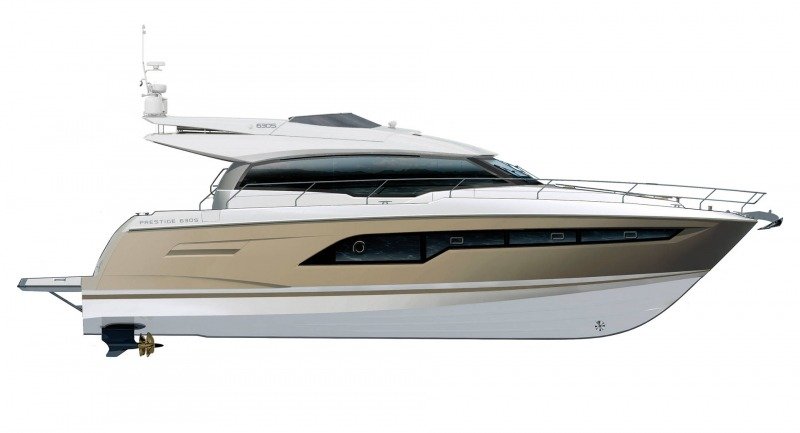
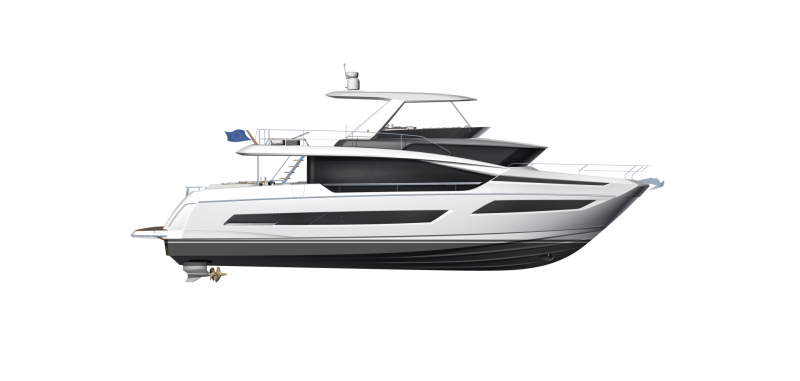
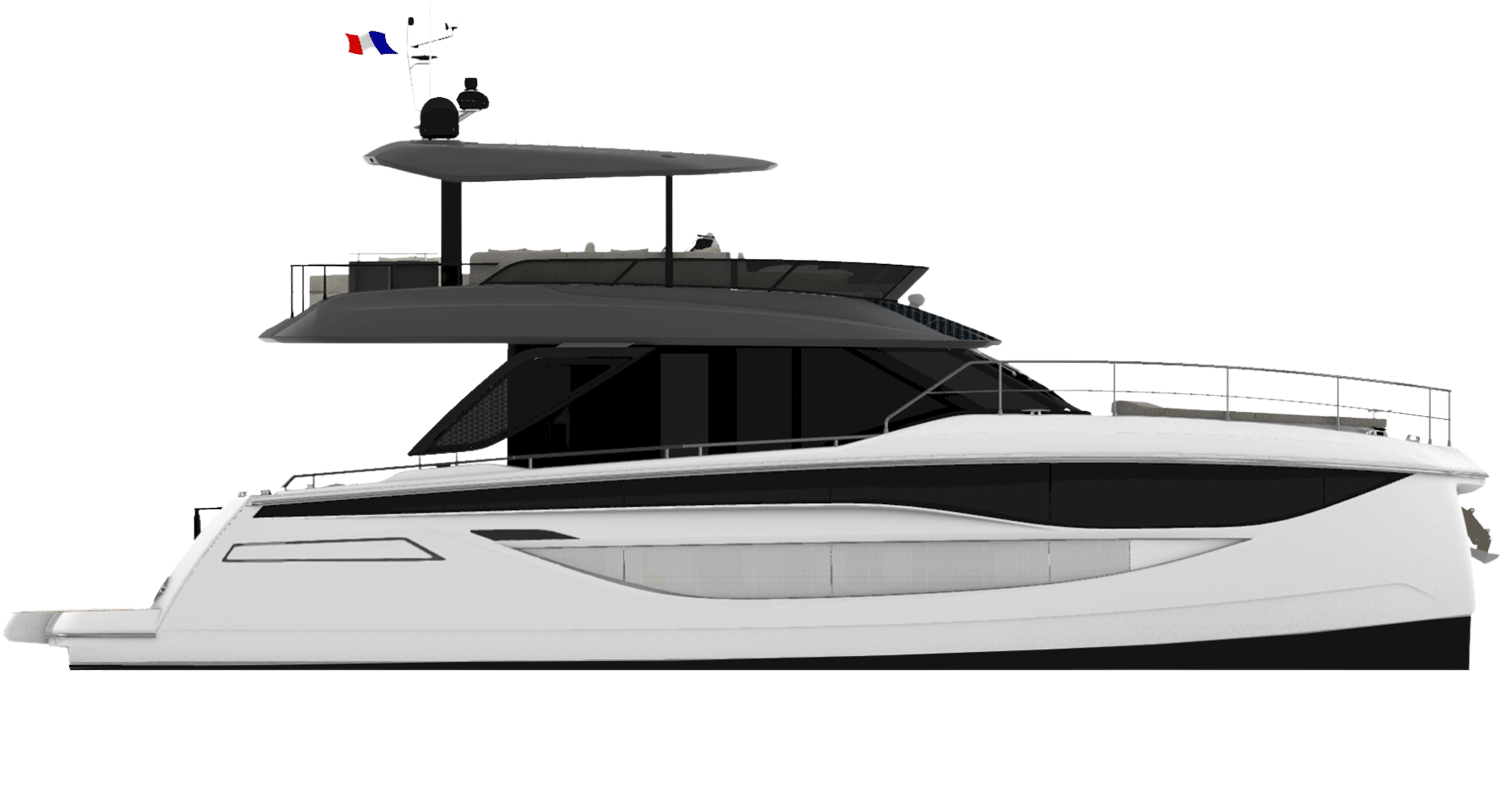
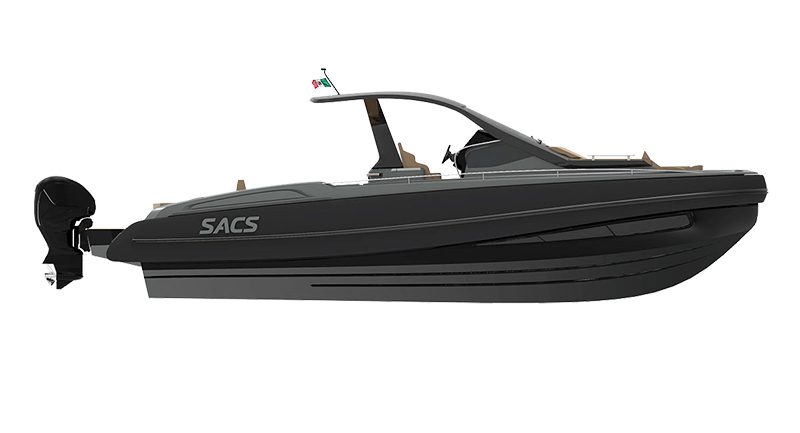
When you’re ready to explore superyacht options with the perfect engine configuration for your needs, our yacht portfolio features vessels from prestigious manufacturers such as Sanlorenzo, Prestige, and SACS. Our team at Lengers Yachts brings over 50 years of expertise in matching clients with their ideal superyacht, including detailed guidance on engine selection and performance optimization. Contact our specialists to discuss how different engine configurations can enhance your yachting experience across Northern Europe’s waters.
Frequently Asked Questions
What are the typical maintenance costs for different superyacht engine types?
Diesel engines typically cost $15,000-$30,000 annually per engine for routine maintenance, while hybrid systems add 20-30% more due to battery replacement and electrical system servicing. Gas turbines require specialized technicians and can cost 40-50% more than diesel engines. Electric systems have lower routine maintenance but battery replacement every 8-12 years represents a significant expense.
How do I know if my superyacht needs engine upgrades or replacements?
Key indicators include declining fuel efficiency (more than 15% increase in consumption), frequent repairs, difficulty reaching rated RPMs, excessive smoke or vibration, and engines approaching 8,000-10,000 operating hours. Modern emission regulations may also require upgrades for older engines when entering certain ports or jurisdictions.
Can I retrofit my diesel superyacht with a hybrid system?
Yes, but it's a complex and expensive process requiring significant engine room modifications, electrical system upgrades, and weight distribution changes. Retrofits typically cost $500,000-$2 million depending on yacht size. The process usually takes 6-12 months and requires specialized marine engineers to ensure proper integration and certification.
What's the real-world fuel consumption difference between engine configurations?
At typical cruising speeds, diesel engines consume 25-45 gallons per hour per engine on 80-120 foot yachts. Hybrid systems can reduce this by 15-25% during mixed-mode operation. Gas turbines consume 50-100% more fuel than diesel but offer significantly higher speeds. Actual consumption varies greatly based on sea conditions, load, and operating profile.
How do engine choices affect my yacht's resale value?
Well-maintained diesel engines from reputable manufacturers (Caterpillar, MTU, MAN) typically maintain the best resale value due to widespread service networks. Hybrid systems are increasingly sought after but may face technology obsolescence concerns. Unusual or proprietary engine configurations can limit your buyer pool and reduce resale value by 10-20%.
What engine-related factors should I consider for different cruising regions?
Consider fuel availability (diesel is widely available, while specialized marine gas oil may be limited), service network coverage for your engine brand, emission regulations in target cruising areas, and climate effects on engine performance. Mediterranean and Caribbean cruising favor reliability over extreme range, while transoceanic voyages prioritize fuel efficiency and redundancy.
How do I properly break in new superyacht engines for optimal performance?
Follow manufacturer break-in procedures strictly, typically involving 50-100 hours of varied load operation, avoiding sustained high RPMs initially, and conducting frequent oil changes during the first 200 hours. Monitor engine parameters closely, allow proper warm-up periods, and document all operating conditions. Proper break-in can extend engine life by 30-50% and optimize fuel efficiency.