





17.04.2026
What is super yacht survey and why is it important?
A superyacht survey is a comprehensive professional inspection that evaluates a vessel’s condition, safety systems, and structural integrity. This detailed assessment protects buyers from costly surprises and helps ensure the yacht meets safety standards and insurance requirements. For luxury yacht purchases, surveys provide valuable peace of mind and can save significant money by identifying potential issues before finalizing the transaction.
Understanding the survey process becomes particularly important when investing in high-value vessels, where even minor oversights can lead to substantial repair costs or safety concerns.
What Is a Superyacht Survey and What Does It Include?
A superyacht survey is a thorough professional inspection conducted by a qualified marine surveyor to assess the vessel’s overall condition, safety systems, and market value. The survey includes a detailed examination of the hull, mechanical systems, electrical components, safety equipment, and structural elements, both above and below the waterline.
The comprehensive inspection covers multiple critical areas. Hull integrity receives particular attention, with surveyors checking for osmosis, delamination, or structural damage using specialized equipment such as moisture meters and ultrasonic thickness gauges. Engine rooms undergo extensive evaluation, including inspection of propulsion systems, generators, fuel systems, and cooling components.
Electrical system evaluation encompasses navigation equipment, lighting, charging systems, and shore-power connections. Safety equipment inspection verifies that life rafts, fire suppression systems, emergency beacons, and communication devices meet current regulations. Interior assessments examine joinery, upholstery, plumbing, and air-conditioning systems for functionality and condition.
Why Is a Yacht Survey Essential Before Purchase?
Yacht surveys protect buyers from unexpected repair costs and safety hazards by identifying structural problems, mechanical issues, and maintenance needs before the purchase is completed. Professional surveys typically uncover problems that cost 2–5% of the vessel’s purchase price to address, making the survey investment worthwhile by helping buyers avoid larger expenses.
Beyond financial protection, surveys help ensure regulatory compliance and satisfy insurance requirements. Most marine insurance companies require recent surveys before providing coverage, and financing institutions often mandate surveys for loan approval. The documentation provides legal protection and establishes baseline condition records for future reference.
Safety considerations make surveys particularly important for superyachts. These vessels operate in challenging marine environments where equipment failures can create dangerous situations. Professional surveyors identify potential safety hazards such as faulty navigation equipment, compromised structural integrity, or inadequate safety systems that could endanger passengers and crew.
What’s the Difference Between Pre-Purchase and Insurance Surveys?
Pre-purchase surveys provide a comprehensive evaluation for potential buyers, while insurance surveys focus on risk assessment for coverage providers and typically occur every 3–5 years for policy renewal. Pre-purchase surveys are more detailed and include market valuation, whereas insurance surveys emphasize safety systems and regulatory compliance.
Pre-purchase surveys examine every accessible system and component to give buyers a complete understanding of the vessel’s condition. These surveys include detailed recommendations for repairs, upgrades, and maintenance priorities. The surveyor provides a market value assessment and identifies negotiation points for price adjustments based on discovered issues.
Insurance surveys concentrate on elements that affect risk and safety. Surveyors evaluate fire suppression systems, emergency equipment, navigation instruments, and structural integrity to determine insurability. These surveys result in recommendations for risk reduction and may identify required improvements for continued coverage.
How Long Does a Superyacht Survey Take?
Superyacht surveys typically require 1–3 days, depending on vessel size and complexity, with larger yachts over 100 feet often needing additional time for a thorough inspection. The process includes both in-water and out-of-water examinations, with haul-out scheduling affecting the overall timeline.
Survey duration varies based on several factors. Vessel size significantly impacts inspection time, as larger yachts have more systems and spaces requiring evaluation. Age and condition influence survey length, with older vessels or those showing wear requiring more detailed examination. Complex systems such as advanced navigation equipment, multiple generators, or sophisticated entertainment systems extend inspection time.
The surveyor’s schedule and haul-out availability also affect timing. Popular survey periods during peak buying seasons may require advance booking. Weather conditions can delay surveys, particularly the underwater hull inspection portion, which requires calm conditions for diver safety and accuracy.
What Problems Do Yacht Surveys Commonly Uncover?
Common survey findings include osmotic blistering in fiberglass hulls, outdated safety equipment, electrical system deficiencies, and engine maintenance issues. Surveys frequently reveal problems with through-hull fittings, outdated navigation equipment, and inadequate ventilation systems, which can lead to moisture damage and equipment failure.
Hull and structural issues are frequent discoveries. Osmosis affects many fiberglass vessels, creating blisters and potential structural weakening. Impact damage from docking incidents or groundings often appears as gelcoat cracks or deeper structural concerns. Corroded deck hardware and loose fittings create safety hazards and increase the risk of water intrusion.
Mechanical systems commonly show maintenance-related problems. Engine cooling-system corrosion, fuel-system contamination, and generator issues appear regularly in surveys. Electrical problems include corroded connections, inadequate grounding, and outdated wiring that does not meet current standards. Plumbing systems often reveal leaks, pump failures, and holding-tank issues requiring attention.
How Much Does a Professional Yacht Survey Cost?
Professional yacht surveys typically cost between €20 and €50 per foot for vessels under 80 feet, with larger superyachts costing €15,000–€40,000, depending on size and complexity. Additional costs include haul-out fees (€2,000–€8,000), sea-trial expenses, and specialized testing that may add 20–30% to the base survey cost.
Several factors influence survey pricing. Vessel size and complexity drive base costs, with larger yachts requiring more time and expertise. Geographic location affects pricing, with remote locations incurring travel expenses for qualified surveyors. Survey scope also affects costs, as comprehensive pre-purchase surveys cost more than basic insurance surveys.
Additional expenses often accompany surveys. Haul-out costs vary by facility and vessel size, representing a significant portion of total survey expenses. Sea trials require fuel and may require additional crew, adding operational costs. Specialized testing such as ultrasonic thickness measurement, oil analysis, or thermal imaging increases the overall investment but provides valuable detailed information.
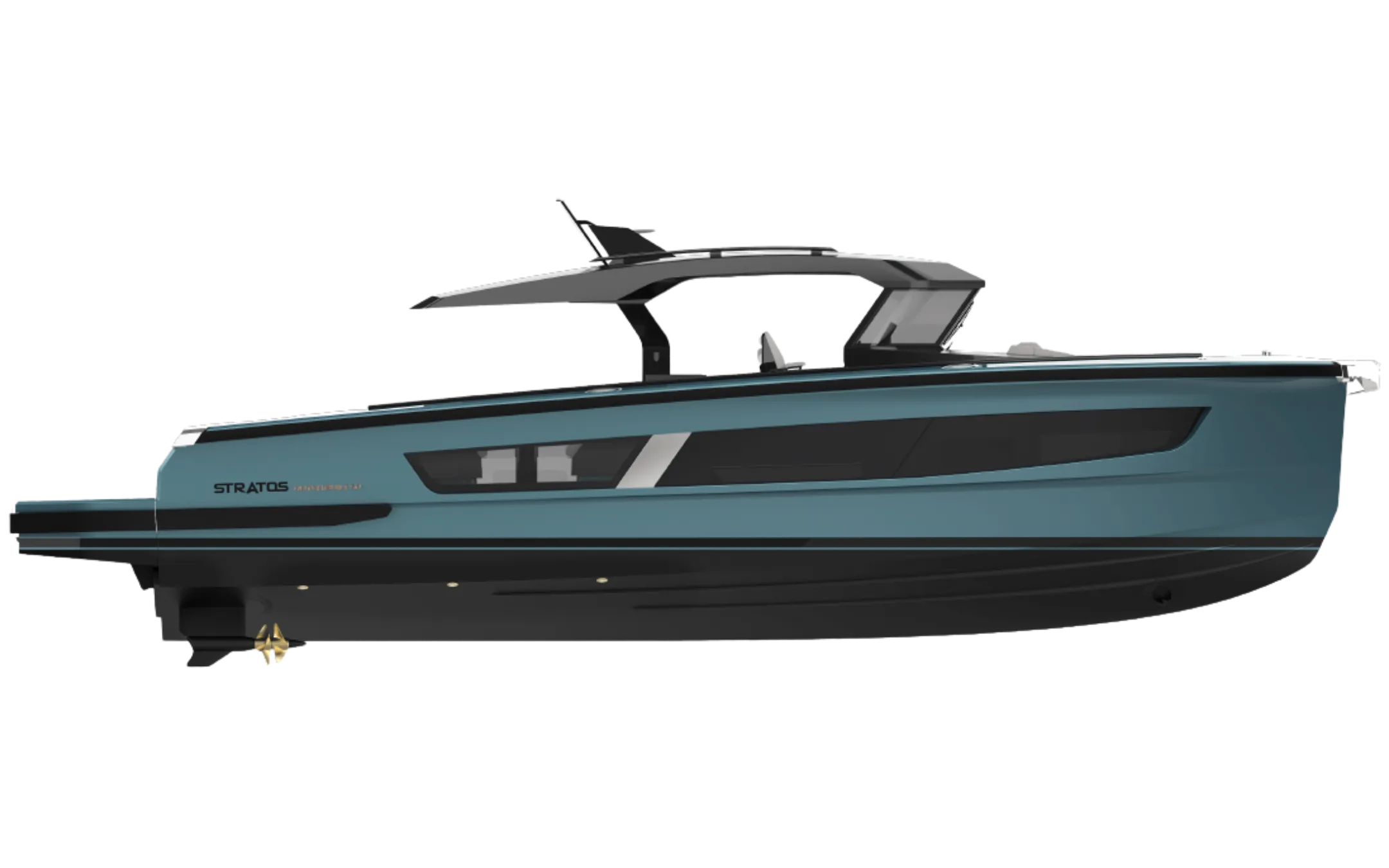
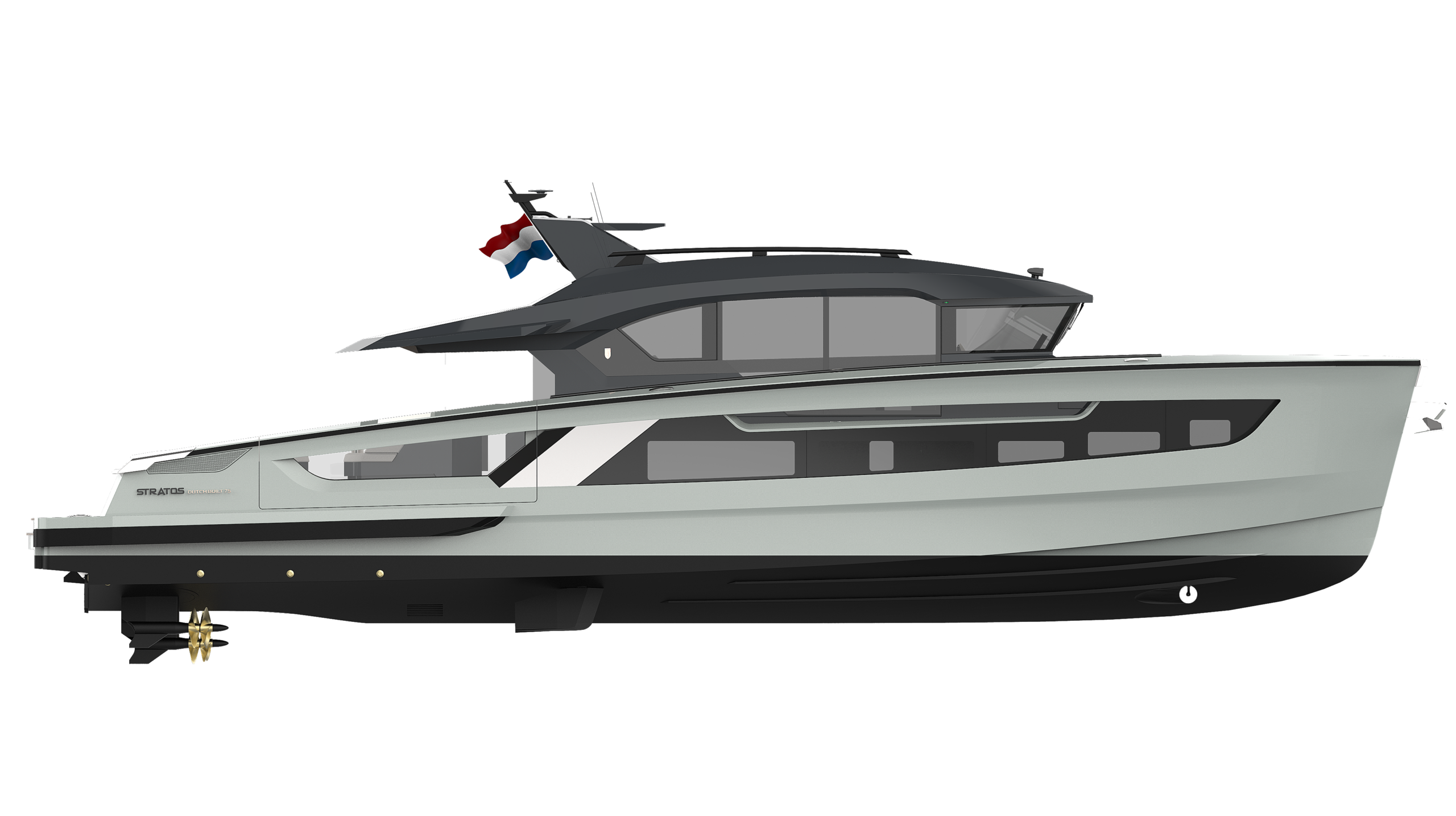
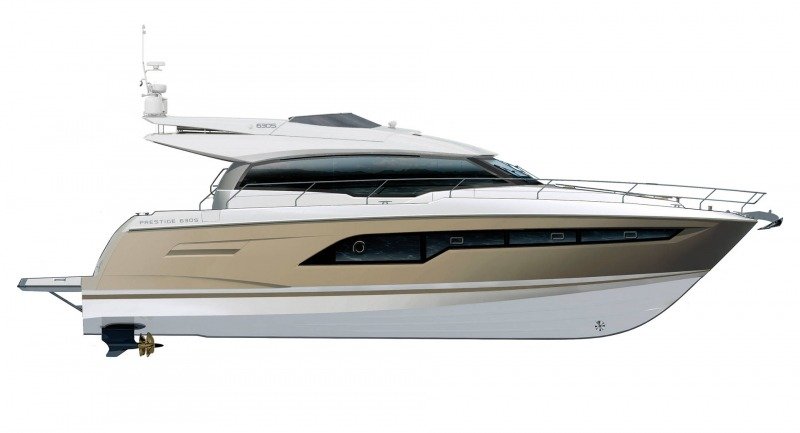
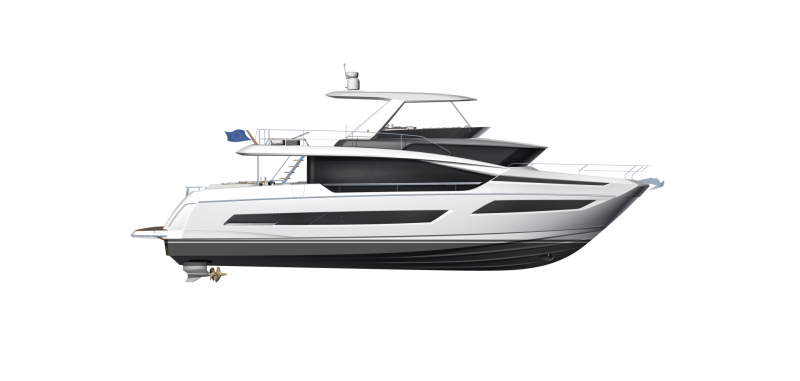
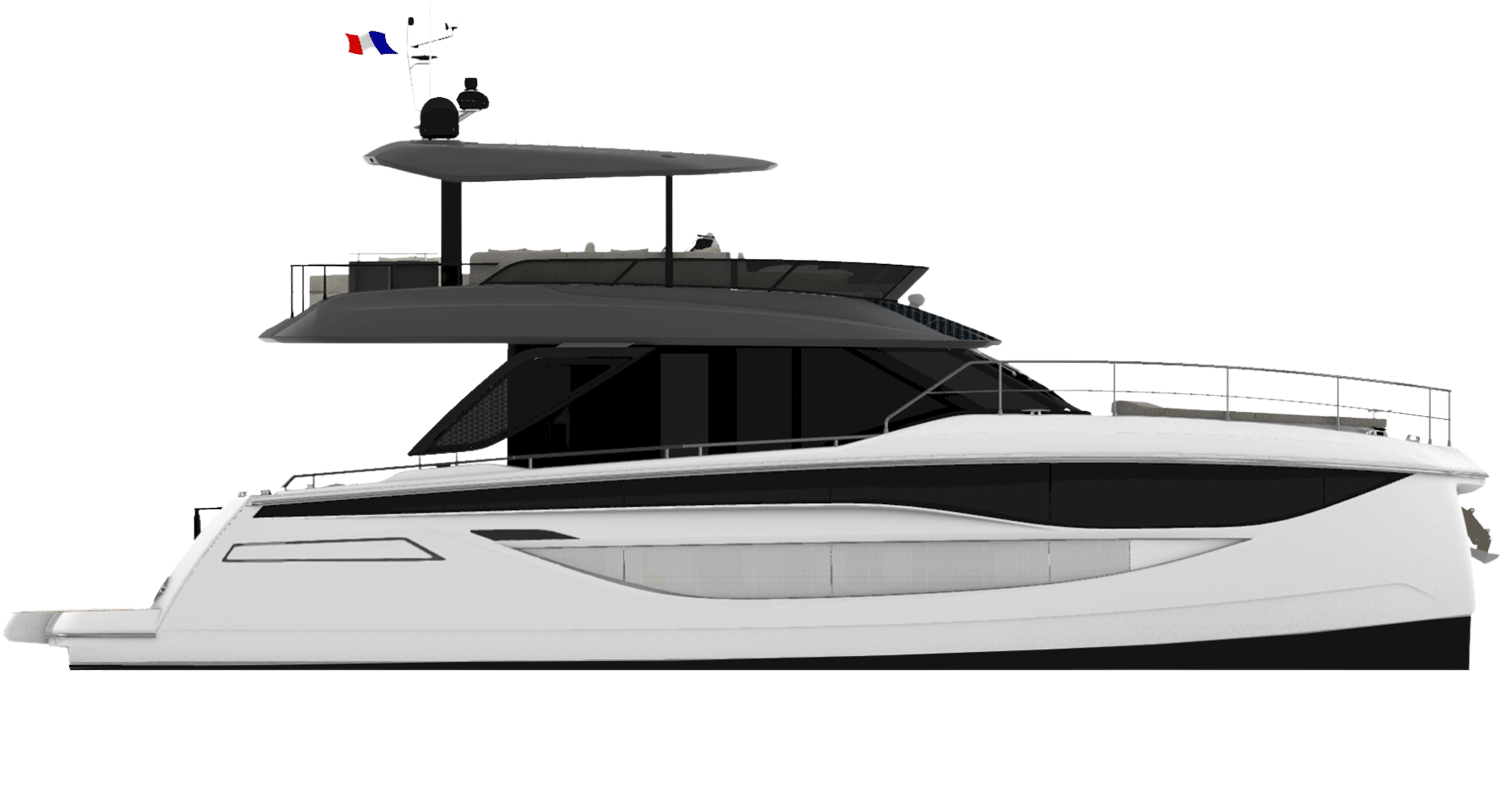
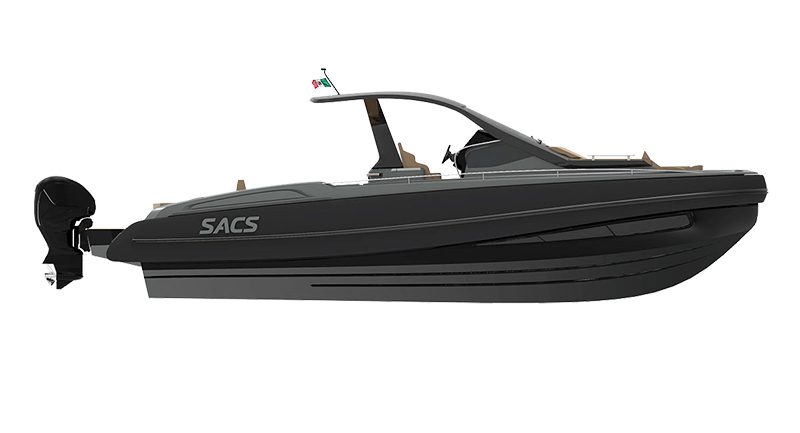
When considering a luxury yacht acquisition, working with experienced dealers who understand the survey process can be invaluable. At Lengers Yachts, we guide our clients through every aspect of yacht ownership, from initial yacht selection to survey coordination and beyond. Our expertise with prestigious brands such as Sanlorenzo, Prestige, SACS, and Stratos ensures you receive comprehensive support throughout your maritime journey. Contact us to discuss how we can assist with your luxury yacht acquisition and ensure a smooth survey process.
Frequently Asked Questions
Should I attend the survey or can my broker represent me?
While your broker can represent you, attending the survey personally is highly recommended. Being present allows you to ask questions directly, understand the surveyor's findings in real-time, and gain valuable insights about your potential yacht's condition and systems that will be crucial for future ownership and maintenance planning.
What happens if the survey reveals significant problems?
Significant survey findings give you several options: negotiate a price reduction based on repair costs, request the seller address issues before closing, or withdraw from the purchase if problems are too extensive. Most purchase agreements include survey contingencies that protect buyers from being locked into problematic purchases.
How do I choose a qualified marine surveyor for my superyacht?
Select surveyors with specific superyacht experience and relevant certifications from organizations like SAMS or NAMS. Verify their insurance coverage, request references from recent similar-sized vessel surveys, and ensure they're familiar with the yacht's construction type and systems. Experience with your yacht's brand or builder is particularly valuable.
Can I use the same surveyor for both pre-purchase and insurance surveys?
Yes, using the same qualified surveyor for both surveys can be cost-effective and provide consistency in documentation. However, ensure the surveyor meets your insurance company's specific requirements, as some insurers maintain approved surveyor lists or require certain certifications for policy acceptance.
What should I do to prepare my yacht for survey if I'm the seller?
Ensure all systems are operational and accessible, remove personal items that might obstruct inspection areas, and gather maintenance records and documentation. Address obvious minor issues beforehand, as small problems can create negative impressions that affect negotiations, even if they're easily fixable.
How recent does a survey need to be for insurance or financing?
Most insurers require surveys completed within 12-24 months for vessels over 20 years old, while newer yachts may have longer acceptance periods. Lenders typically want surveys completed within 60-90 days of loan approval. Always verify specific requirements with your insurance provider and lender before scheduling.
What's the difference between a condition survey and a valuation survey?
A condition survey focuses purely on the yacht's physical state and safety systems without providing market value assessment. A valuation survey includes condition evaluation plus market analysis to determine fair market value, making it more comprehensive and typically required for insurance and financing purposes.