



08.12.2025
What are the hidden gem anchorages in the Western Mediterranean?
The Western Mediterranean hides numerous secluded anchorages that remain largely undiscovered by mainstream tourists. These hidden gems include remote calas along Costa Brava, quiet coves in lesser-known Balearic Islands, protected bays along the French Riviera, and small islands off the Italian Ligurian coast. You’ll find these spots offer exceptional natural beauty, excellent shelter from prevailing winds, and authentic Mediterranean experiences away from crowded marinas. Accessing them requires careful planning regarding depth, holding ground, and seasonal weather patterns.
What makes an anchorage a ‘hidden gem’ in the Western Mediterranean?
A hidden gem anchorage combines limited land accessibility, protection from prevailing winds, stunning natural beauty, minimal commercial development, and low tourist density. These spots remain undiscovered because they require yacht access, lack nearby roads or facilities, and don’t appear in mainstream travel guides. You’ll find crystal-clear waters, unspoiled coastlines, and genuine tranquillity that’s increasingly rare in popular Mediterranean destinations.
The geography plays an important role in keeping these anchorages special. Rocky coastlines with narrow entrances naturally limit access to vessels with experienced crews. Many of these locations sit within protected marine areas where development is restricted, preserving their natural character. The seabed typically offers excellent holding ground with sand or mud, though some spots feature rocky patches that require careful anchor placement.
What makes these anchorages particularly valuable for mediterranean yachting is the privacy and authenticity they provide. You’ll experience the Mediterranean as it was decades ago, before mass tourism transformed the coastline. Morning swims in pristine waters, evenings watching sunsets without crowds, and the freedom to explore untouched nature create memorable experiences. These spots also serve as perfect bases for exploring nearby coastal villages that retain their traditional character.
Which Spanish coastal areas hide the best secluded anchorages?
Costa Brava conceals numerous remote calas between Begur and Cap de Creus, accessible only by yacht. The Balearic Islands offer hidden bays on Formentera’s northern coast, Menorca’s southern coves beyond Cala Galdana, and Mallorca’s northwestern shores near Sa Dragonera. Costa del Sol provides quieter anchorages east of Nerja, where dramatic cliffs create protected swimming spots away from resort developments.
The Costa Brava’s rocky coastline creates natural protection in spots like Cala Montjoi and the small bays near Cadaqués. These anchorages work best from May through September when northerly winds are less frequent. You’ll need to watch depths carefully as approaches can be shallow, particularly in spots like Cala Jugadora where charted depths may differ from actual conditions.
In the Balearics, Menorca stands out for secluded southern anchorages like Cala Trebalúger and Cala Escorxada. These spots require approaching from the south with attention to underwater rocks near entrances. Formentera’s Cala Saona on the western side offers protection from easterly winds, though it can become crowded in August. Mallorca’s Cala Tuent provides spectacular mountain scenery with good holding in sand, accessible except during strong northerly conditions.
Where can you find undiscovered anchorages along the French and Italian Riviera?
The French Côte d’Azur hides quiet spots around the Îles de Lérins near Cannes, small bays between Théoule-sur-Mer and Agay, and protected anchorages near Cap Camarat. The Italian Ligurian coast offers secluded bays around Portofino’s marine reserve, quiet spots near Cinque Terre’s southern end, and peaceful anchorages around Portovenere. These locations provide stunning scenery without the crowds of famous harbours like Saint-Tropez or Monaco.
The Îles de Lérins offer several anchorages on the southern sides of both Île Sainte-Marguerite and Île Saint-Honorat. You’ll find good holding in sand with depths between 5-10 metres. The marine environment here is protected, so you must use permanent mooring buoys where available. Best visited during shoulder seasons when day-tripper traffic decreases, these islands provide remarkable tranquillity considering their proximity to Cannes.
Along the Italian Riviera, the area around San Fruttuoso offers a spectacular anchorage beneath the abbey, though space is limited and depths require careful monitoring. The bay provides excellent protection from westerly winds but becomes untenable with easterly weather. Further south, the waters around Palmaria Island near Portovenere feature several anchorages with good holding ground in sand and seagrass. Approach depths range from 8-15 metres, with clearer water making visual navigation easier than along the French coast.
How do you access and navigate to these remote Mediterranean spots safely?
Safe navigation to hidden anchorages requires updated electronic charts, careful weather monitoring, and knowledge of approach techniques for unfamiliar waters. You should study approach bearings before arrival, identify potential hazards from chart data, and plan alternative anchorages if conditions prove unsuitable. Mediterranean seabeds typically feature sand, mud, or seagrass requiring appropriate anchor types like plough or spade designs that set reliably in varied conditions.
Chart resources should include both electronic systems and paper backups showing detailed coastal features. Many hidden anchorages appear on larger-scale charts that reveal underwater contours, rocks, and depth changes. You’ll want to cross-reference multiple sources as some charts may contain errors or outdated information, particularly for less-frequented areas. Satellite imagery can help identify entrance features and potential hazards before your approach.
Weather monitoring becomes particularly important when visiting remote spots with limited escape routes. Mediterranean weather can change quickly, with afternoon thermal winds developing strength by early afternoon. You should check marine forecasts twice daily and monitor barometric pressure for signs of approaching weather systems. Wind direction matters significantly as many anchorages only provide protection from specific directions.
Responsible anchoring practices protect the marine environment whilst ensuring your vessel’s security. You should avoid dropping anchors in seagrass meadows where possible, as these ecosystems take decades to recover from damage. When anchoring, allow sufficient scope for your depth and expected conditions, typically 5:1 in settled weather and 7:1 or more when stronger winds are forecast. Check your anchor has set properly by taking transit bearings on shore features and monitoring for movement.
What should you consider when planning a yacht charter to these hidden anchorages?
Planning a charter to hidden anchorages requires considering yacht draft limitations, provisioning for locations without shore facilities, and timing your visit outside peak summer crowds. Vessels with drafts under 2 metres access more locations, whilst deeper keels may limit options in shallow approaches. You’ll need to stock adequate provisions as many remote anchorages sit far from shops or restaurants, making self-sufficiency important for comfortable cruising.
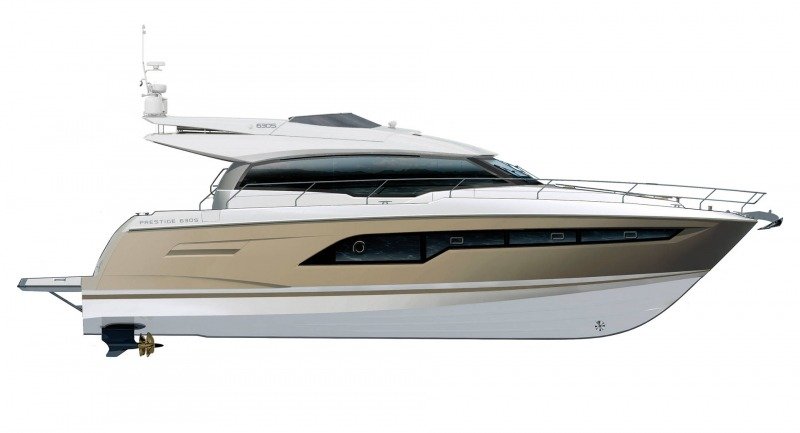
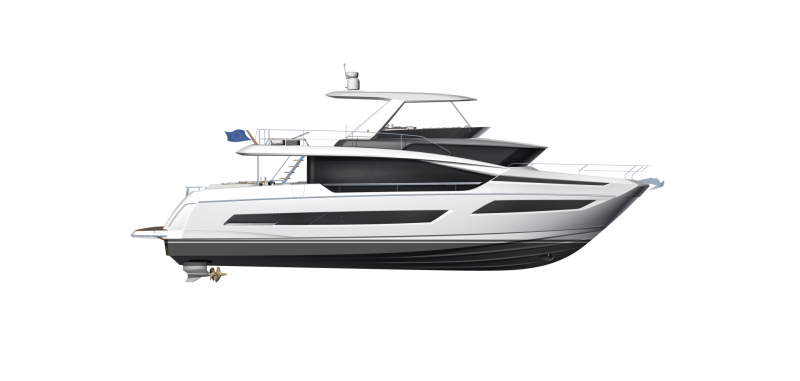
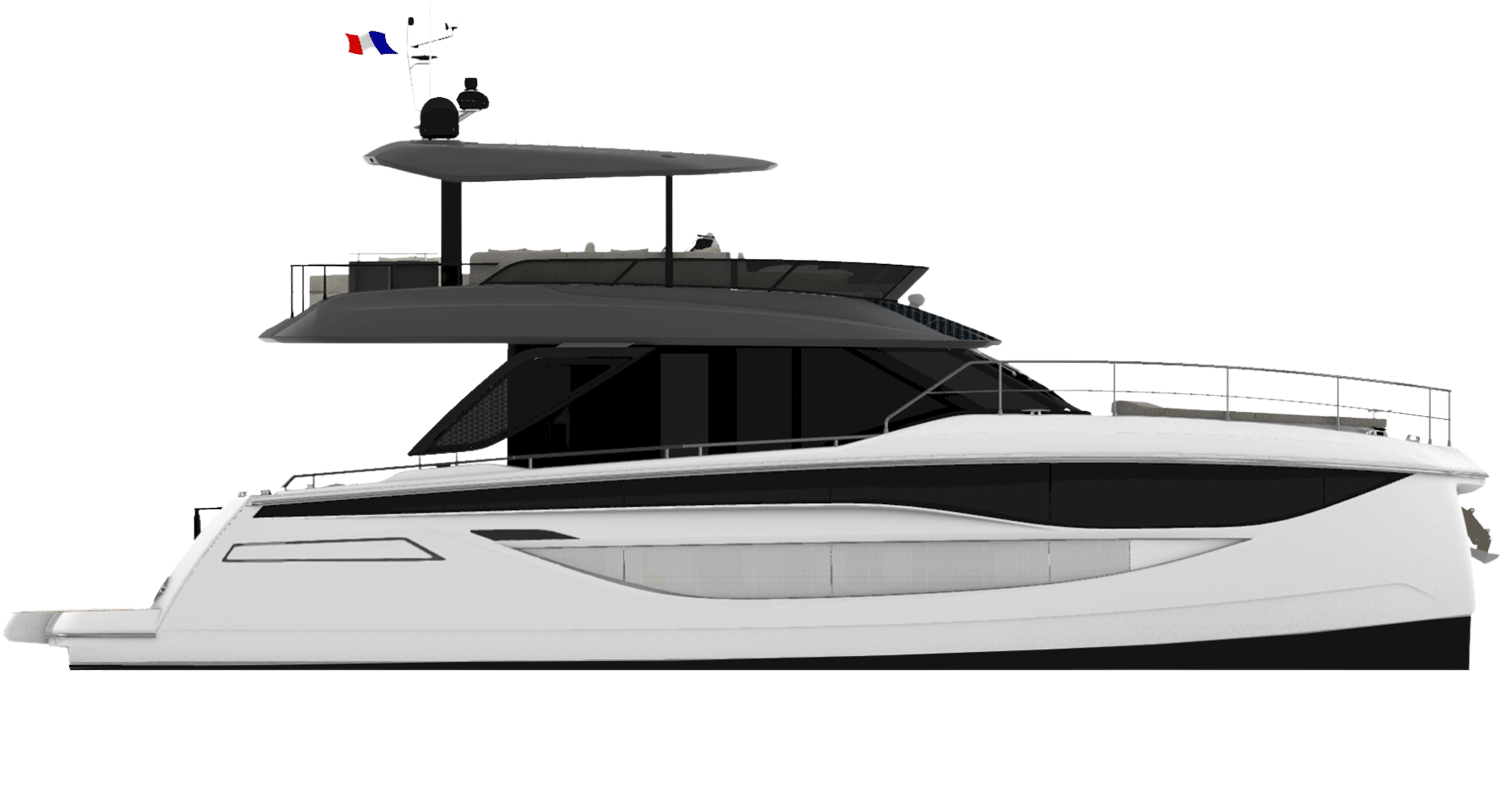
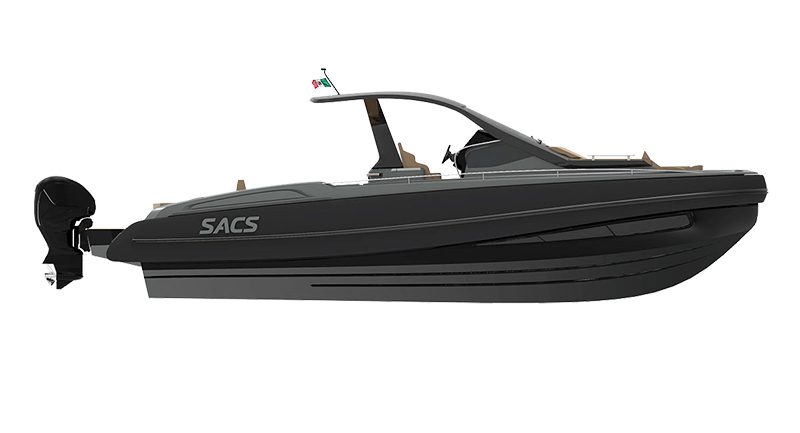
Yacht selection significantly affects which anchorages you can visit comfortably. Smaller vessels between 10-15 metres offer greater flexibility for exploring tight entrances and shallow bays. Larger yachts provide more comfort and amenities but may face restrictions in certain locations. When reviewing available vessels, pay attention to draft specifications and tender capabilities, as many hidden spots require anchoring offshore with dinghy access to beaches.
Timing your charter makes a substantial difference in your experience. May, June, September, and early October offer excellent weather with significantly fewer boats than July and August. Water temperatures remain comfortable for swimming, and anchorages that become crowded in peak season often sit empty during shoulder months. These periods also provide better availability and sometimes more favourable charter rates.
Working with knowledgeable charter specialists helps you plan optimal itineraries that match your experience level and interests. They can recommend specific anchorages based on your yacht’s characteristics, provide local knowledge about seasonal conditions, and suggest backup plans for variable weather. If you’re considering exploring these remarkable destinations, professional guidance helps you create memorable experiences whilst ensuring safe, enjoyable cruising throughout the Western Mediterranean.
The Western Mediterranean’s hidden anchorages offer extraordinary opportunities for authentic experiences away from crowded tourist destinations. These secluded spots reward careful planning with pristine natural beauty, genuine tranquillity, and the freedom that makes mediterranean yachting so appealing. Whether you’re exploring remote Spanish calas, discovering quiet French islands, or anchoring beneath Italian cliffs, these hidden gems provide the privacy and authenticity that define exceptional yacht charter experiences. At Lengers Yachts, we understand the unique appeal of these secluded destinations and can help you plan the perfect Western Mediterranean adventure aboard vessels perfectly suited to exploring these remarkable locations.
Frequently Asked Questions
What level of sailing experience do I need to safely visit these hidden anchorages?
You should have intermediate to advanced sailing experience, including competence in anchoring techniques, chart reading, and weather assessment. Many hidden anchorages feature narrow approaches, underwater hazards, and limited maneuvering space that require confident boat handling skills. If you're newer to sailing, consider chartering with a professional skipper for your first visit to these remote locations, or start with more accessible anchorages before progressing to the most challenging spots.
How can I tell if an anchorage will be too crowded when I arrive?
Check real-time AIS data through marine apps to see how many vessels are currently anchored in your target location, and have 2-3 alternative anchorages planned along your route. During peak season (July-August), arrive early in the day before 2 PM when most boats secure their spots, or choose weekdays over weekends. Popular anchorages in protected marine areas often have mooring buoy systems that limit capacity, so calling ahead to local port authorities can provide availability information.
What happens if weather conditions deteriorate while I'm anchored in a remote location?
Always monitor weather forecasts twice daily and have an exit strategy planned before anchoring, including identifying the nearest all-weather harbour or marina. If conditions worsen, leave early rather than waiting until departure becomes dangerous—most anchor dragging incidents occur when skippers delay too long. Keep your engine ready, ensure sufficient fuel reserves, and maintain a deck watch during unsettled weather to monitor your position and surrounding vessels.
Are there any legal restrictions or permits required for anchoring in protected marine areas?
Many hidden anchorages lie within marine protected areas (MPAs) that prohibit anchoring in seagrass meadows and require use of designated mooring buoys where available. France's Port-Cros and Italy's Portofino marine reserves have specific regulations including no-anchoring zones and seasonal restrictions. Check local maritime authority websites before your trip, and respect all posted restrictions—fines for violations can be substantial and damage these fragile ecosystems.
What essential equipment should I have onboard for visiting remote anchorages?
Beyond standard safety equipment, carry a reliable dinghy with outboard motor for shore access, a good quality anchor with adequate chain (at least 50 meters for a 12-meter yacht), and backup anchoring equipment including a second anchor. Install updated electronic chartplotters with detailed Mediterranean charts, but also carry paper chart backups. Include snorkeling gear to visually inspect your anchor set, a handheld VHF radio for dinghy trips, and sufficient water and fuel capacity for 3-5 days of self-sufficiency.
How do I minimize my environmental impact when anchoring in pristine locations?
Use mooring buoys whenever available instead of anchoring, and if you must anchor, choose sandy or muddy bottoms rather than seagrass or coral areas. Hold all waste onboard until you reach proper disposal facilities, use reef-safe sunscreen, and avoid discharging grey or black water in enclosed bays. When using your dinghy, operate at low speeds near shore to minimize wake and disturbance to marine life and other anchored vessels.
What's the best way to find up-to-date information about specific anchorages before visiting?
Combine multiple resources including cruising guides like Rod Heikell's Mediterranean series, crowdsourced apps such as Navily or Anchor.Watch that provide recent user reviews and photos, and active cruising forums where sailors share current conditions. Local yacht clubs and charter companies often have valuable insider knowledge about seasonal changes, recent hazards, or new restrictions. Weather routing services can also provide anchorage-specific advice tailored to your planned dates and vessel specifications.