



05.12.2025
Which Turkish coastal towns combine ancient history with natural beauty?
Turkey’s Mediterranean coast offers several towns where ancient ruins stand alongside stunning natural landscapes. Kaş combines Lycian rock tombs with crystal-clear waters, whilst Side presents Roman temples on sandy beaches. Fethiye showcases carved cliff tombs overlooking turquoise lagoons, Bodrum pairs Hellenistic heritage with pristine bays, and Olympos nestles ancient city ruins within forested valleys near secluded beaches. These destinations let you explore archaeological wonders in the morning and swim in beautiful Mediterranean waters by afternoon.
Which Turkish coastal towns offer the best combination of ruins and scenery?
Kaş, Side, Fethiye, Bodrum, and Olympos provide the most impressive combinations of archaeological sites and natural beauty along Turkey’s Mediterranean coast. Each town offers distinct historical periods and landscape features that create memorable experiences for visitors seeking both cultural exploration and scenic relaxation.
Kaş sits above the ancient city of Antiphellos, where Lycian rock tombs carved into cliffs overlook the harbour. You can explore sarcophagi scattered throughout the modern town, then snorkel in transparent waters revealing submerged ruins. The surrounding coastline features hidden coves accessible by boat, whilst the town maintains an authentic Mediterranean village atmosphere.
The ancient city of Side occupies a peninsula where Roman temples, an amphitheatre, and agora ruins meet long sandy beaches. You can walk through columned streets in the morning, then spend your afternoon swimming beside ancient harbour walls. The Temple of Apollo provides spectacular sunset views over the Mediterranean, creating photographs that capture both historical grandeur and natural beauty.
Fethiye presents dramatic Lycian rock tombs carved high into cliff faces above the modern marina. The most famous tomb, resembling a Greek temple facade, dominates the town’s skyline. From Fethiye, you can access Ölüdeniz’s famous blue lagoon and the Butterfly Valley, where natural beauty complements the historical sites. The nearby ghost village of Kayaköy adds another historical dimension to the region.
Bodrum centres around the Castle of St. Peter, which houses the Museum of Underwater Archaeology, whilst the ancient Mausoleum of Halicarnassus (one of the Seven Wonders of the Ancient World) lies in the town centre. The peninsula extends into dozens of bays with clear waters, traditional fishing villages, and upscale marinas. This combination of Hellenistic heritage and modern Mediterranean yachting culture creates a unique atmosphere.
Olympos offers perhaps the most atmospheric combination, where ancient city ruins emerge from forest vegetation leading directly to a pebble beach. You walk through Roman baths, temples, and a theatre overgrown with wild fig trees and oleander. The nearby Chimaera eternal flames add mythological significance to the natural landscape, whilst the surrounding Olympos National Park provides hiking trails through pine forests.
What ancient civilizations left their mark on Turkey’s Mediterranean coast?
The Lycians, Greeks, Romans, and Byzantines created the most significant coastal heritage sites you’ll encounter along Turkey’s Mediterranean shore. Each civilization contributed distinctive architectural styles and cultural elements that remain visible today, often layered atop one another at the same locations.
The Lycians dominated southwestern coastal regions from approximately 1200 BCE to 300 BCE, creating unique rock-cut tombs carved into cliff faces. These burial monuments resemble wooden house structures translated into stone, reflecting Lycian beliefs about the afterlife. You’ll recognise Lycian sites by these distinctive tombs, often positioned high on cliffs overlooking the sea. The Lycians also built fortified cities with distinctive sarcophagi featuring pointed lids, scattered throughout the landscape.
Greek colonization began around 800 BCE, establishing coastal cities that introduced classical architecture including temples, theatres, and agoras. Greek influence brought the distinctive column orders, amphitheatre designs, and city planning principles visible at sites like Side and Phaselis. Many Lycian cities adopted Greek cultural elements whilst maintaining local traditions, creating a Greco-Lycian architectural fusion.
The Romans conquered the region around 100 BCE, expanding existing cities with impressive infrastructure including aqueducts, bath complexes, and harbour facilities. Roman engineering transformed coastal towns into prosperous trading centres. You’ll notice Roman contributions through massive harbour walls, elaborate bath houses with hypocaust heating systems, and well-preserved amphitheatres. The Romans often rebuilt Greek structures on grander scales, adding their engineering expertise to existing sites.
Byzantine civilization followed Roman rule from approximately 330 CE onwards, adding Christian basilicas, defensive fortifications, and monasteries to coastal settlements. Byzantine architecture introduced cross-shaped church plans, mosaics, and fortress walls that often incorporated stones from earlier Greek and Roman structures. Many coastal sites show this layering, where Byzantine churches stand beside Roman temples, all within Lycian city walls.
How do you access these remote historical coastal sites?
Many exceptional ancient coastal sites sit in locations best reached by sea, making yacht-based exploration particularly rewarding for experiencing Turkey’s historical coastline. Whilst some major sites like Bodrum and Side connect to road networks, numerous ruins occupy remote bays and headlands where arriving by yacht provides the most practical and atmospheric access.
Mediterranean yachting along Turkey’s coast lets you anchor in protected bays directly beside archaeological sites that receive few visitors compared to road-accessible locations. You can explore ruins like Kekova’s sunken city, Phaselis’s three harbours, or the ancient city of Loryma without crowds, arriving at dawn when sites feel most atmospheric. This approach mirrors how ancient inhabitants experienced these coastal settlements, arriving by sea to trade and explore.
The standard cruising route from Bodrum to Kaş covers approximately 100 nautical miles, typically completed over one to two weeks with stops at historical anchorages. This route includes Knidos at the peninsula tip, the islands around Marmaris, Ekincik’s Caunos ruins accessible by river, Göcek’s protected bays, and Kekova’s underwater ruins. You can extend this itinerary eastward to Side and Anamur, or focus on specific regions depending on your historical interests.
Most historical coastal towns offer marina facilities where you can moor whilst exploring land-based sites and provisioning. Bodrum, Fethiye, Kaş, and Side provide modern marinas with full services. Between these centres, you’ll find smaller harbours and protected anchorages where you can spend nights near ruins. Many ancient harbours still provide natural protection, though you’ll need to anchor rather than moor.
When planning your route, consider that some of the most impressive sites like Olympos and Phaselis require anchoring offshore or in adjacent bays, then reaching ruins by tender or on foot. Weather conditions affect access to exposed anchorages, making spring and autumn preferable to summer’s meltemi winds. Local knowledge about anchoring spots near specific ruins proves valuable, as does understanding which sites require admission fees versus those you can explore freely.
What should you expect when visiting Turkish coastal archaeological sites?
Turkish coastal ruins range from well-maintained archaeological parks with facilities to overgrown ancient cities where you explore independently. Understanding what you’ll encounter helps you prepare appropriately and set realistic expectations for different types of sites.
Major sites like Side’s temples and Bodrum’s castle maintain clear pathways, information panels in multiple languages, and admission booths with set hours. These locations provide toilets, shaded rest areas, and sometimes cafés. You’ll find professional guides available at entrances, though sites remain comprehensible for self-guided exploration if you read background information beforehand.
Remote coastal ruins accessed by yacht often lack facilities entirely. Places like Loryma or small Lycian settlements consist of scattered foundations, tomb structures, and architectural fragments without explanatory signage. These sites reward visitors who’ve researched what they’re seeing, as the atmospheric setting compensates for the absence of interpretation. You’ll need to bring water, sun protection, and appropriate footwear for uneven terrain.
The best visiting periods run from April through June and September through October, when temperatures allow comfortable exploration without extreme heat. Summer months (July and August) make midday site visits challenging due to intense sun and heat, particularly at exposed coastal locations. Early morning or late afternoon visits work better during summer. Winter brings cooler temperatures suitable for exploration but some sites reduce hours or close.
Wear sturdy shoes with good grip, as ancient stone paving becomes slippery and uneven surfaces are common. Ruins often lack shade, making sun protection important through hats, sunscreen, and light long-sleeved clothing. Bring adequate water, as many sites don’t provide refreshments. Photography opportunities abound, particularly during golden hour when low sun illuminates stone ruins against blue Mediterranean backgrounds.
Respect archaeological preservation by staying on marked paths where they exist, not climbing on fragile structures, and never removing stones or artifacts. Many sites continue undergoing archaeological study, with areas cordoned for ongoing excavation. Turkish authorities take archaeological protection seriously, with significant penalties for damaging historical sites.
How can you plan a yacht charter that showcases Turkey’s historical coast?
A well-planned yacht charter combining historical exploration with coastal cruising typically requires one to two weeks, allowing time to visit major archaeological sites whilst enjoying Mediterranean yachting between anchorages. You’ll want to balance days focused on ruins with relaxed cruising and swimming in scenic bays.
A ten to fourteen-day itinerary provides sufficient time to explore the region between Bodrum and Kaş thoroughly, visiting major sites whilst maintaining a relaxed pace. This duration lets you spend half-days at significant ruins, enjoy meals in historical harbour towns, and anchor in scenic bays each evening. Shorter week-long charters work if you focus on a specific region like the Fethiye-Kaş area or the Bodrum peninsula.
The optimal cruising season runs from May through October, with May, June, September, and early October offering the best combination of pleasant weather and fewer crowds at archaeological sites. July and August bring reliable weather but higher temperatures, crowded anchorages, and busy sites. April and late October remain possible but weather becomes less predictable.
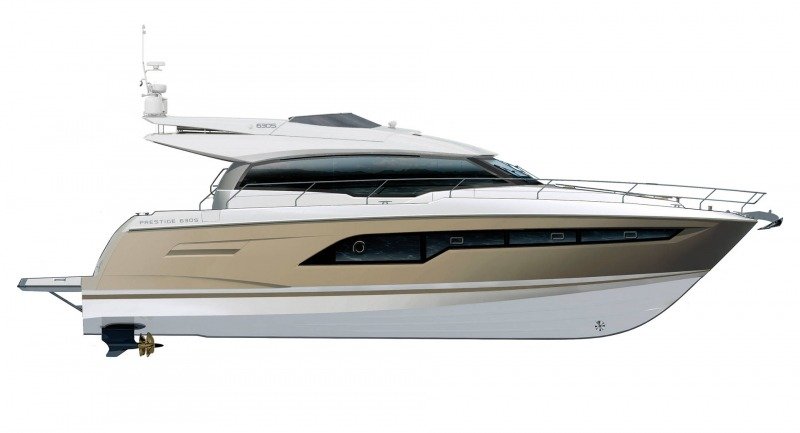
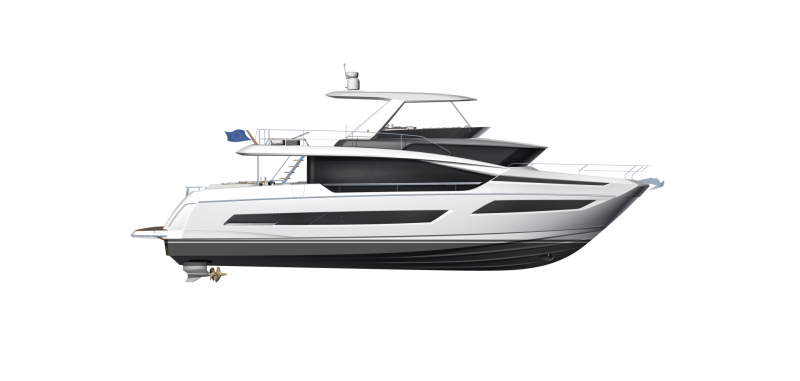
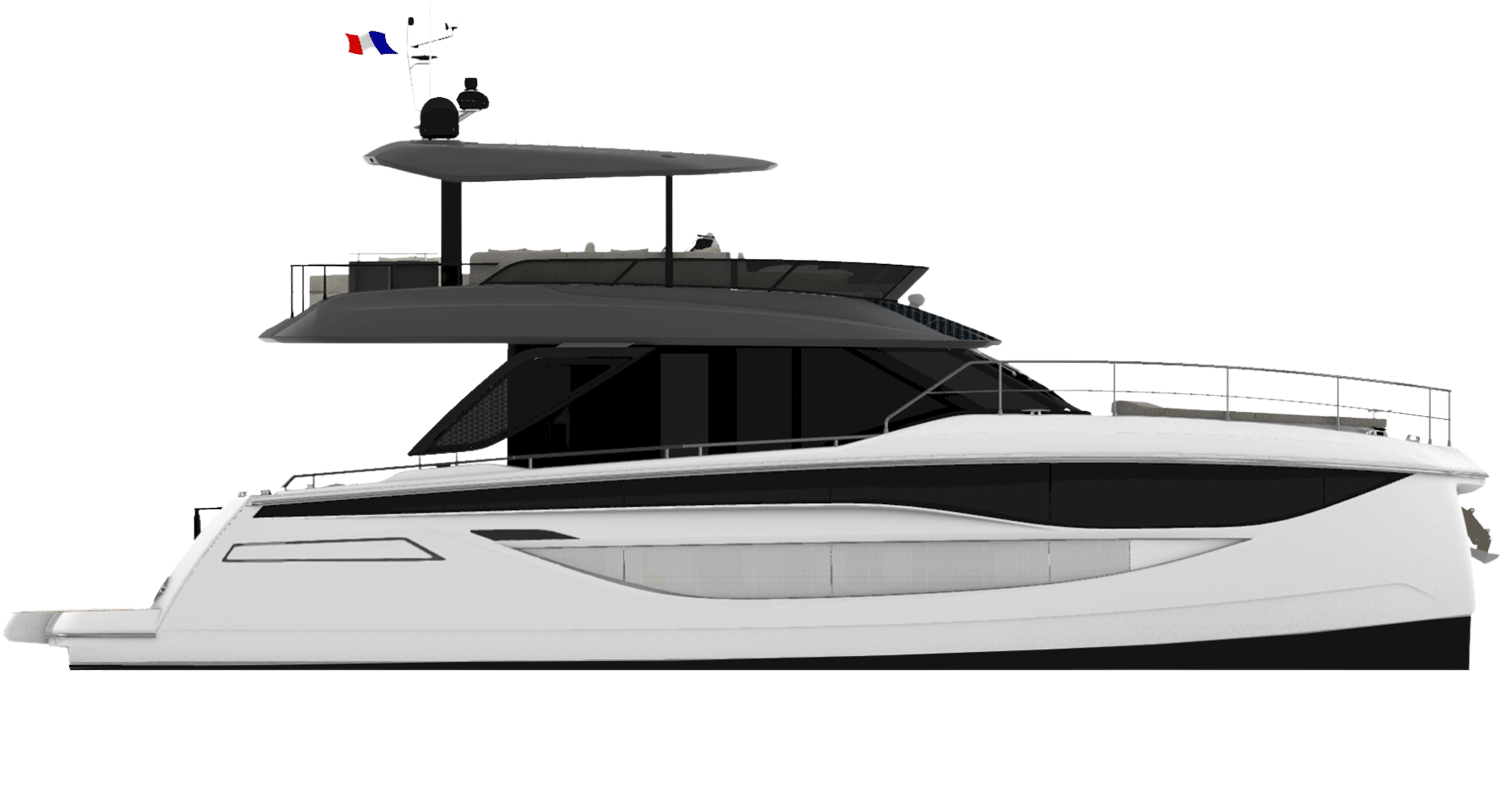
When considering vessel options for extended exploration of Turkey’s historical coast, motor yachts provide comfortable platforms for couples or families wanting to maximize time at archaeological sites rather than sailing. Gulets (traditional Turkish wooden yachts) offer authentic regional character with spacious decks perfect for relaxing between site visits. The choice depends on your priorities between cruising speed, onboard space, and authentic Mediterranean atmosphere.
Your charter should include flexibility for weather-dependent anchorage changes whilst maintaining a framework that ensures you visit priority historical sites. Work with your captain to identify which ruins you most want to explore, then build the itinerary around those anchors whilst leaving room for spontaneous discoveries. Many captains possess extensive local knowledge about lesser-known ruins and optimal times to visit popular sites.
Combining onboard luxury with cultural exploration means planning provisioning stops in towns with markets where you can purchase fresh local produce, allowing you to experience contemporary Turkish coastal culture alongside ancient history. Evening mooring in historic harbours like Kaş or Bodrum lets you dine ashore in atmospheric settings where modern restaurants occupy buildings near ancient ruins. If you’d like assistance planning a Mediterranean yacht charter that balances historical exploration with luxury cruising, professional guidance helps you create an itinerary matching your interests and available time.
Turkey’s Mediterranean coastline rewards visitors who approach it with curiosity about both ancient civilizations and natural beauty. The combination of accessible ruins, stunning landscapes, and excellent cruising conditions creates memorable experiences that satisfy both cultural interests and the pleasure of Mediterranean yachting. Whether you spend a week or longer exploring this remarkable coast, you’ll discover why these shores attracted settlers and traders for thousands of years.
Frequently Asked Questions
Do I need a guide to explore the coastal archaeological sites, or can I visit them independently?
Most major sites like Side and Bodrum are well-suited for independent exploration with clear pathways and some signage, though hiring a guide enriches the experience with historical context and stories you'd otherwise miss. For remote ruins accessible by yacht, independent exploration works well if you research the sites beforehand using guidebooks or archaeological resources. Consider hiring guides at complex sites like Ephesus or Perge where understanding the layout and historical significance greatly enhances your visit, but feel comfortable exploring smaller Lycian tombs and coastal ruins on your own.
What permits or permissions do I need to anchor near archaeological sites along the Turkish coast?
You don't need special permits to anchor in bays near most coastal ruins, though you'll pay standard admission fees when entering maintained archaeological parks from the land side. Some protected areas like Kekova's sunken city prohibit swimming and diving directly over submerged ruins, though you can view them from your yacht or tender. Your charter company will provide guidance on any restricted zones, and local harbour authorities can advise on specific anchorage regulations for archaeological areas.
How physically demanding is exploring these coastal ruins?
Physical demands vary significantly between sites—well-maintained locations like Side's temples involve mostly flat walking on paved surfaces, while remote ruins like Olympos require navigating uneven terrain, climbing over rocks, and walking on ancient stone steps that can be steep and slippery. Cliff-top Lycian tombs often involve climbing stairs or hillside paths in full sun. If you have mobility concerns, focus on accessible sites like Bodrum's castle and Side's beach-level ruins, and plan visits during cooler morning hours to reduce heat-related strain.
Can I combine visits to inland ruins like Ephesus with my coastal yacht charter?
Yes, you can arrange day trips to significant inland sites like Ephesus, Pamukkale, or Hierapolis from coastal marinas, though this requires leaving your yacht for a full day and typically involves hiring a car or joining a tour. Kusadasi marina provides the closest yacht access to Ephesus (about 30 minutes by car), while Bodrum offers reasonable access to several inland Carian sites. Discuss these plans with your charter company beforehand so they can suggest optimal mooring locations and arrange transportation or tour connections.
What's the best way to photograph ruins without crowds in the background?
Arrive at popular sites immediately when they open (typically 8:00-8:30 AM) or during the last hour before closing when tour groups have departed. For yacht-accessible ruins, visit during early morning or late afternoon when day-trippers have left—sites like Kekova and Phaselis become nearly empty after 5:00 PM. Off-season months (April-May and October) dramatically reduce crowds at all sites, and weekdays see fewer visitors than weekends at locations popular with domestic tourists.
Are there any cultural sensitivities or rules I should observe when visiting these historical sites?
Dress modestly when visiting sites that include Byzantine churches or mosques, covering shoulders and knees out of respect. Never climb on fragile structures, remove stones or artifacts, or carve into ancient surfaces—these actions are illegal and carry serious penalties. Some sites prohibit drone photography without permits, so check regulations before flying cameras. Show respect for any ongoing archaeological work by staying outside cordoned areas, and be mindful that these ruins represent important cultural heritage for Turkish people.
What happens if weather prevents me from reaching a planned archaeological site during my charter?
Flexible itinerary planning is essential for yacht-based archaeological touring, as wind and sea conditions may make certain anchorages unsafe or uncomfortable. Work with your captain to identify alternative sites in protected areas when weather affects exposed locations—for example, if winds prevent anchoring at Phaselis, you might visit Kekova's sheltered bays instead. This is why working with experienced captains who know multiple historical sites and alternative anchorages ensures you still enjoy rich archaeological experiences regardless of weather changes.