






02.04.2026
How much does a super yacht cost to buy?
Superyacht purchase prices typically range from €3 million for entry-level vessels to over €200 million for the world’s most exclusive superyachts. The cost depends on size, age, brand, level of customization, and luxury features. Beyond the purchase price, you should budget an additional 10–15% annually for maintenance, crew, insurance, and operating expenses.
Understanding these costs upfront helps you make informed decisions about which vessel best fits your budget and lifestyle. Let’s explore the key factors that influence superyacht pricing and ownership costs.
What Determines Superyacht Purchase Prices?
Superyacht prices are determined by five primary factors: vessel size, brand reputation, age and condition, level of customization, and construction materials. Larger yachts command higher prices due to increased complexity, luxury amenities, and operational capabilities.
Brand reputation significantly impacts pricing, with established shipyards such as Sanlorenzo, Azimut, and Ferretti commanding premium prices for their craftsmanship and heritage. These manufacturers invest heavily in design innovation, high-quality materials, and advanced engineering, which is reflected in their market value.
The level of customization plays a major role in the final price. Standard production models cost less than fully custom builds, in which owners can specify everything from interior layouts to specialized equipment. Custom features such as helipads, beach clubs, or advanced stabilization systems can add millions to the base price.
Construction materials and technology also influence costs. Carbon-fiber hulls, hybrid propulsion systems, and advanced navigation equipment increase both the initial purchase price and long-term value retention.
How Much Do Different Sizes of Superyachts Cost?
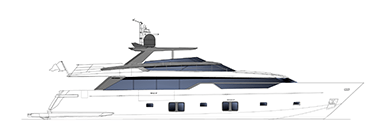
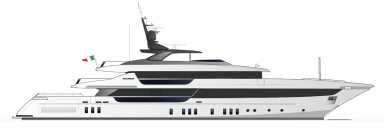
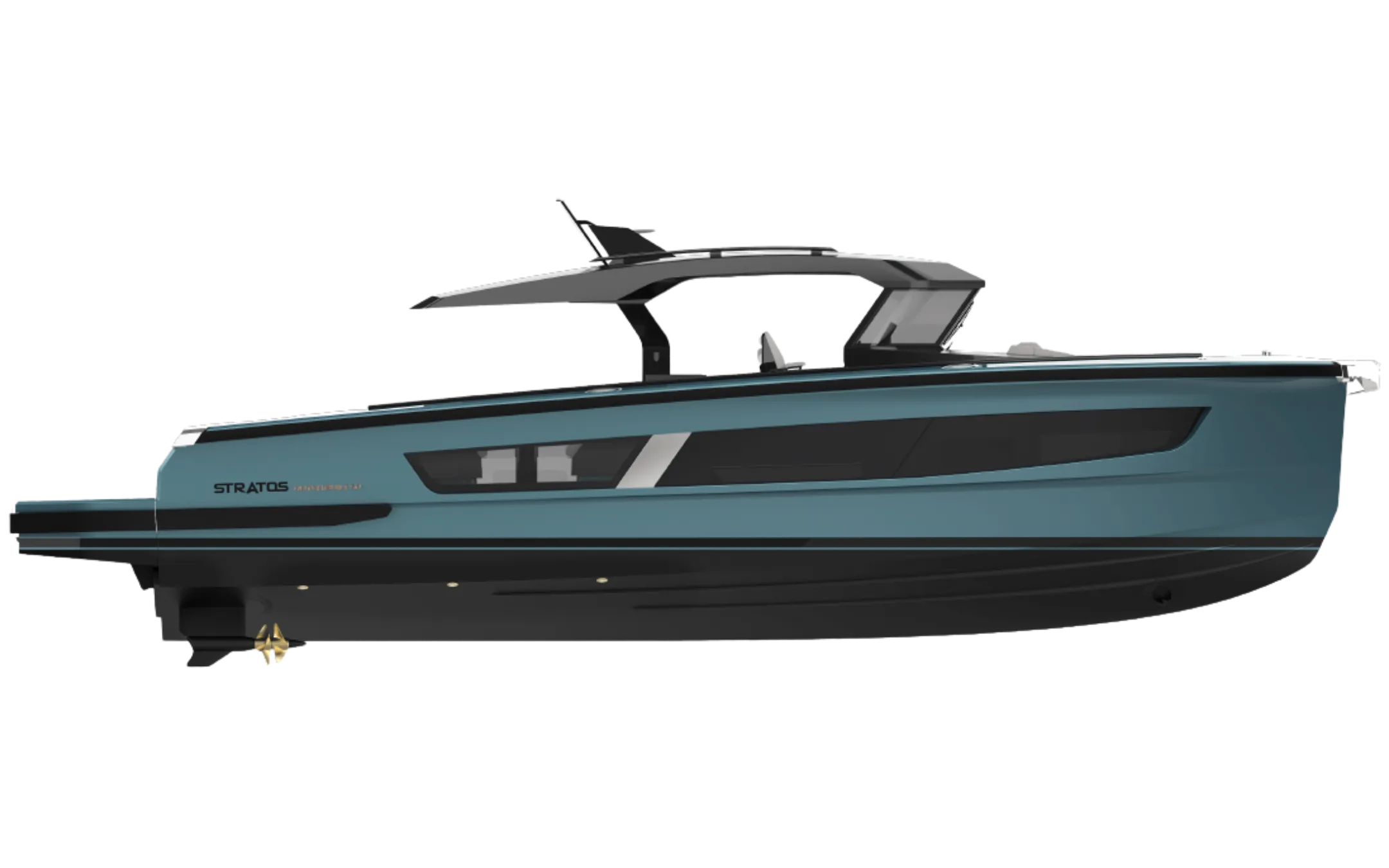
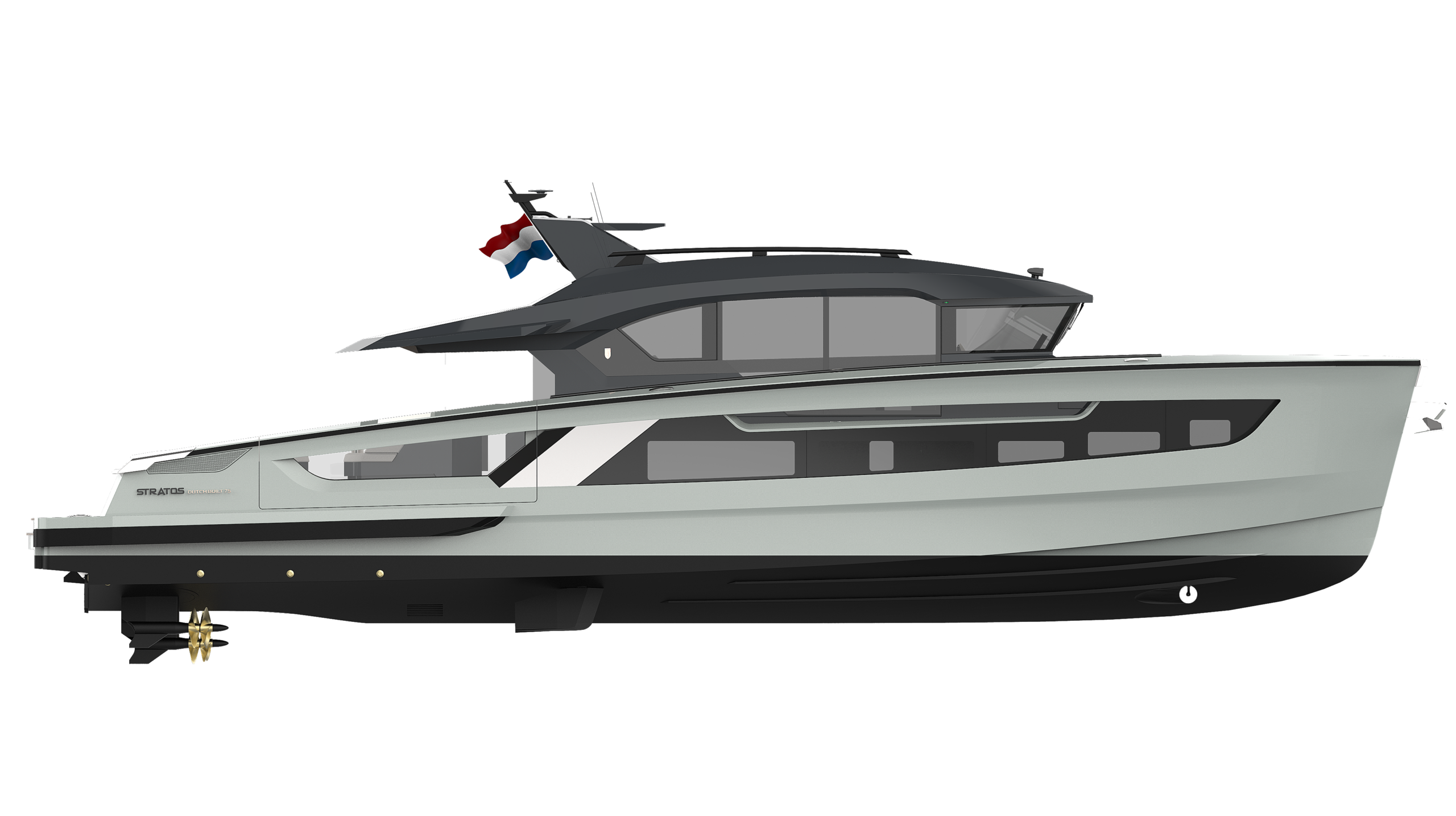
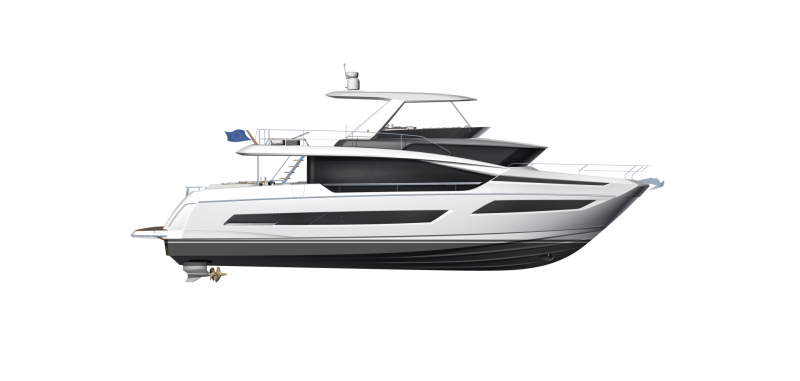
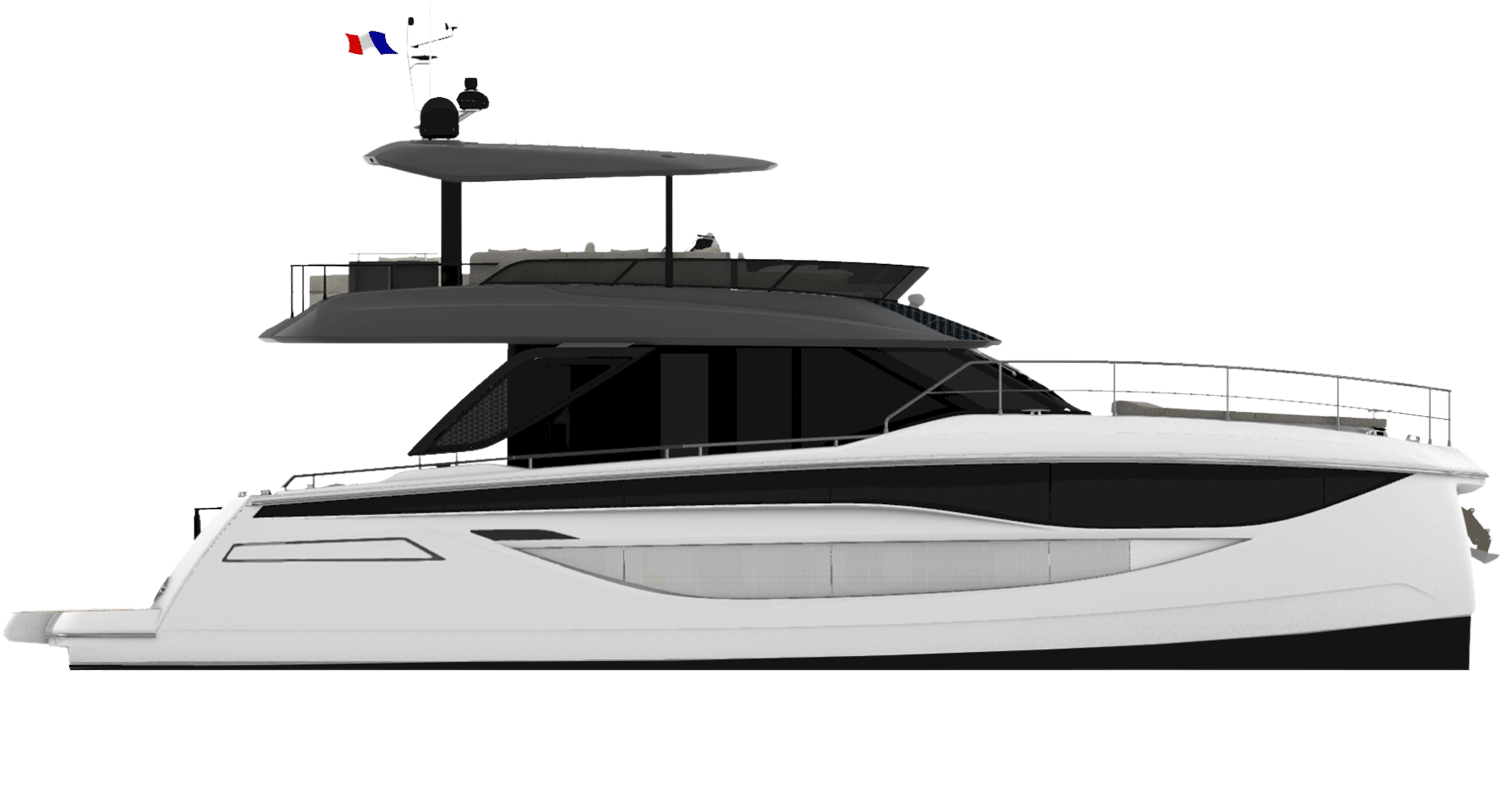
Superyacht costs vary dramatically by size category. Entry-level yachts (24–30 meters) typically cost €3–8 million, mid-size yachts (30–50 meters) range from €8–40 million, while large superyachts (50+ meters) start at €40 million and can exceed €200 million for the most exclusive vessels.
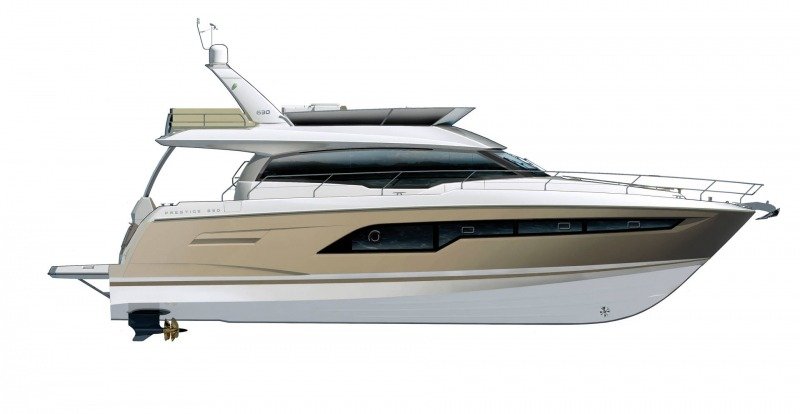
The 24–30 meter category offers excellent value for first-time superyacht owners. These vessels provide luxury amenities, professional crew capabilities, and access to most marinas worldwide. Popular models in this range include flybridge yachts with four to five guest cabins and modern entertainment areas.
Mid-size yachts between 30 and 50 meters represent the sweet spot for many owners. They offer substantial interior volume, longer-range capabilities, and impressive entertainment spaces while remaining manageable for worldwide cruising. These yachts typically feature six to eight guest cabins, dedicated crew quarters, and luxury amenities such as beach clubs and water-toy garages.
Large superyachts over 50 meters enter true luxury territory, with custom designs, extensive crew requirements, and virtually unlimited customization possibilities. These vessels often feature multiple decks, formal dining areas, spa facilities, and specialized equipment such as submarines or helicopter hangars.
What Are the Hidden Costs of Superyacht Ownership?
Hidden superyacht ownership costs typically add 10–15% of the vessel’s value annually and include crew salaries, insurance, maintenance, fuel, marina fees, and regulatory compliance. These operating expenses often surprise new owners who focus primarily on the purchase price.
Crew costs represent the largest ongoing expense, typically ranging from €200,000 to €2 million annually, depending on yacht size and crew requirements. A professional crew ensures safe operation and maintains the vessel’s condition, but it requires competitive salaries, benefits, and ongoing training.
Insurance premiums vary based on vessel value, cruising areas, and owner experience, typically costing 0.5–1.5% of the yacht’s value annually. Comprehensive coverage includes hull and machinery, third-party liability, and crew protection.
Maintenance and refit costs average 5–10% of the vessel’s value annually. Regular maintenance helps prevent major issues, while periodic refits update systems and refresh interiors. Dry-dock periods every few years require significant investment but help maintain the yacht’s value and safety standards.
Should You Buy New or Pre-Owned Superyachts?
Choosing between new and pre-owned superyachts depends on your timeline, customization needs, and budget flexibility. New yachts offer complete customization and the latest technology but require 18–36 months to build and come with premium pricing. Pre-owned yachts offer immediate availability and better value but may require updates or modifications.
New yacht construction allows complete personalization of layouts, systems, and styling. You work directly with designers and shipyards to create your ideal vessel, incorporating the latest technology and your specific requirements. However, new builds require significant deposits, extended timelines, and premium pricing for customization.
Pre-owned yachts offer compelling advantages, including immediate availability, proven performance records, and established maintenance histories. Well-maintained pre-owned vessels often provide excellent value, particularly for yachts that are three to ten years old, which have absorbed initial depreciation but retain modern features.
Consider your cruising timeline when deciding. If you want to start enjoying yachting immediately, pre-owned yachts for sale offer ready access to luxury vessels. For those planning future ownership and wanting specific customization, new construction provides virtually unlimited possibilities. We help clients evaluate both options based on individual needs and preferences. Contact our team to discuss which approach best suits your yachting goals and timeline requirements.
Frequently Asked Questions
How do I determine if I can afford the ongoing costs of superyacht ownership?
Calculate whether you can comfortably afford 10-15% of the yacht's purchase price annually for operating expenses. Create a detailed budget including crew salaries (€200k-€2M), insurance (0.5-1.5% of value), maintenance (5-10% of value), fuel, and marina fees. Most financial advisors recommend that your total yacht investment shouldn't exceed 10% of your net worth.
What's the best way to finance a superyacht purchase?
Superyacht financing typically involves 20-30% down payment with loan terms of 10-15 years at competitive interest rates. Many owners use marine mortgages, which offer tax advantages in certain jurisdictions. Consider working with specialized yacht finance brokers who understand maritime lending and can structure deals based on your specific financial situation and cruising plans.
How quickly do superyachts depreciate in value?
New superyachts typically depreciate 15-20% in the first year, then 5-10% annually for the next few years before stabilizing. Well-maintained yachts from reputable builders hold value better than lesser-known brands. Factors like regular maintenance, upgrades, and market conditions significantly impact depreciation rates.
Can I charter out my superyacht to offset ownership costs?
Yes, many owners charter their yachts when not in use, potentially offsetting 20-40% of annual operating costs. However, commercial charter requires additional certifications, insurance, and wear-and-tear considerations. Work with established charter management companies who handle bookings, crew coordination, and regulatory compliance while protecting your investment.
What should I look for when inspecting a pre-owned superyacht?
Hire a qualified marine surveyor to inspect the hull, engines, electrical systems, and safety equipment. Review maintenance records, recent upgrades, and any outstanding warranty coverage. Pay special attention to engine hours, generator condition, and the vessel's refit history. A thorough survey typically costs €10,000-€30,000 but can save you hundreds of thousands in unexpected repairs.
How do I choose the right size superyacht for my needs?
Consider your typical guest count, preferred cruising destinations, and desired amenities. Smaller yachts (24-30m) access more ports but have limited space, while larger vessels (50m+) offer luxury but face marina restrictions. Think about your cruising style—intimate family trips favor smaller yachts, while entertainment-focused owners benefit from larger vessels with extensive deck space and amenities.
What are the most common mistakes first-time superyacht buyers make?
The biggest mistakes include underestimating ongoing costs, buying too large for actual usage, and skipping professional surveys. Many buyers focus solely on purchase price without budgeting for crew, maintenance, and operational expenses. Others choose yachts based on emotions rather than practical considerations like home port access, cruising range, and guest capacity needs.