





13.03.2026
What are the best Mediterranean anchorages for swimming and water activities?
The best Mediterranean anchorages for swimming and water activities combine crystal-clear water, reliable protection from wind and waves, safe seabed composition, and convenient access to interesting underwater features. Top locations include Palombaggia Bay in Corsica, Cala Macarella in Menorca, and Cala Goloritze in Sardinia, where turquoise waters and excellent visibility create perfect conditions for snorkelling, paddleboarding, and swimming. When choosing anchorages, you’ll want to consider your specific water activities, seasonal conditions, and whether you prefer secluded spots or more accessible locations.
What makes a Mediterranean anchorage ideal for swimming and water activities?
An ideal Mediterranean anchorage for swimming offers crystal-clear water visibility, adequate depth for safe anchoring (typically 5-15 metres), natural protection from prevailing winds and waves, and a sandy or seagrass seabed that provides good holding. These characteristics combine to create comfortable conditions where you can safely enjoy various water activities throughout the day.
Water clarity stands out as one of the most important factors. The Mediterranean’s transparency varies by location, but the best anchorages offer visibility of 20-30 metres or more, allowing you to spot underwater features, marine life, and potential hazards. This clarity enhances snorkelling experiences and helps you appreciate the natural beauty below the surface.
Protection from wind and swell makes the difference between a pleasant day and an uncomfortable one. Look for anchorages nestled in bays with natural headlands or islands that block dominant wind directions. The calmest conditions typically occur on lee shores during settled weather. A well-protected anchorage allows comfortable swimming entry from your yacht and creates gentle conditions for paddleboarding and kayaking.
Seabed composition affects both anchoring security and water activities. Sandy bottoms provide excellent holding and comfortable swimming, whilst rocky or reef areas offer spectacular snorkelling but require careful anchor placement. Seagrass meadows (Posidonia oceanica) are protected throughout much of the Mediterranean, so you’ll need to anchor in sandy patches within or adjacent to these areas.
Which Mediterranean regions offer the best anchorages for water enthusiasts?
The French Riviera and Côte d’Azur deliver sophisticated Mediterranean yachting experiences with warm waters (24-26°C in summer) and numerous protected bays. Islands like Porquerolles and Port-Cros offer pristine conditions with marine protected areas that feature abundant fish populations. The region suits those who appreciate combining water activities with access to elegant coastal towns.
Italian coastlines, particularly Sardinia and Sicily, provide some of the Mediterranean’s most spectacular swimming anchorages. Sardinia’s Costa Smeralda and southern coast feature dramatic granite formations and turquoise water that rivals tropical destinations. Sicily’s Aeolian Islands offer volcanic landscapes with exceptional underwater visibility and thermal springs in some locations. Water temperatures reach 26-28°C during peak season.
Greek islands present endless options across the Cyclades and Ionian groups. The Cyclades offer characteristic white-and-blue scenery with reliable summer winds that create refreshing conditions, whilst the Ionian islands provide lusher landscapes and calmer seas. Greek waters typically reach 24-26°C in summer, and the abundance of islands means you’ll always find protected anchorages regardless of wind direction.
Croatia’s Dalmatian coast and islands have become increasingly popular for water-focused Mediterranean yachting. The region offers over 1,000 islands with countless secluded bays, crystal-clear water, and well-preserved marine environments. Water temperatures reach 24-26°C in summer, and the relatively undeveloped coastline provides authentic experiences away from crowds.
The Spanish Balearics (Mallorca, Menorca, Ibiza, and Formentera) combine excellent water conditions with varied landscapes. Menorca particularly stands out for pristine southern beaches with Caribbean-like turquoise water. The Balearics enjoy long swimming seasons with comfortable temperatures from June through September.
Turkey’s turquoise coast lives up to its name with remarkably clear, warm waters (26-28°C in summer) and dramatic mountain backdrops. The region between Bodrum and Antalya features numerous gulfs and bays with excellent protection and fascinating historical sites accessible from anchorages.
What are the top specific anchorages for swimming across the Mediterranean?
Palombaggia Bay in Corsica offers stunning turquoise water with white sand beaches backed by umbrella pine trees. The bay provides good protection from westerly winds and features shallow, gradually deepening water perfect for families. Visibility typically exceeds 20 metres, and the sandy bottom makes anchoring straightforward. Expect crowds during July and August, but shoulder seasons offer more tranquillity.
Cala Macarella in Menorca presents one of the Mediterranean’s most photographed anchorages, with brilliant turquoise water enclosed by limestone cliffs. The cala (cove) offers excellent protection from north through east winds and features a small sandy beach. Water depth ranges from 3-8 metres with good holding in sand. The adjacent Cala Macarelleta provides even more seclusion for those willing to dinghy or swim around the headland.
Navagio Beach area in Zakynthos (also called Shipwreck Bay) creates a dramatic setting with sheer white cliffs surrounding impossibly blue water. Whilst the beach itself prohibits anchoring, nearby bays offer excellent swimming with similar water clarity and stunning coastal views. The area suits snorkelling and swimming but can experience afternoon winds that create choppy conditions.
Cala Goloritze in Sardinia ranks among the Mediterranean’s most beautiful anchorages, though access requires careful planning as anchoring near the beach is restricted to protect the environment. You can anchor further out and dinghy in to enjoy the pristine pebble beach and crystal-clear water beneath towering limestone pinnacles. The cala offers exceptional snorkelling with visibility often exceeding 30 metres.
Ölüdeniz in Turkey combines a protected lagoon with open bay areas, creating varied conditions for different activities. The famous blue lagoon provides calm, shallow water ideal for paddleboarding and swimming, whilst the outer bay offers space for more active water sports. Water temperatures stay warm well into autumn, extending the swimming season.
Bays around Vis island in Croatia deliver authentic Mediterranean experiences with excellent water quality and relatively few visitors. Stiniva Cove presents a narrow entrance opening into a secluded bay with pebble beaches and clear water. Multiple bays around the island provide options for different wind conditions, and the area features interesting underwater topography for snorkelling.
How do you choose the right anchorage based on your preferred water activities?
For snorkelling and diving, prioritize anchorages near rocky coastlines, reefs, or underwater features that attract marine life. Research locations known for good visibility (ideally 15+ metres) and interesting underwater topography. Mediterranean marine protected areas typically offer the best fish populations and healthiest ecosystems. Check whether the anchorage provides easy access to snorkelling spots without requiring long dinghy rides, and consider depth ranges that match your comfort level.
Kayaking and paddleboarding work best in anchorages with calm water and interesting coastlines to explore. Look for bays with multiple coves, sea caves, or dramatic rock formations within paddling distance. Morning conditions typically offer the calmest water before afternoon thermal winds develop. Anchorages with gradual depth changes and sandy bottoms provide safer conditions if you fall off your board.
Jet skiing and water skiing require anchorages with sufficient space away from swimmers and other vessels, plus local regulations that permit these activities. Many Mediterranean locations restrict powered water sports in certain areas or during specific hours to protect swimmers and marine environments. Research local rules before planning these activities, and choose larger bays where you can operate safely away from other water users.
Swimming priorities include safe entry points from your yacht, gradual depth increases suitable for various swimming abilities, and awareness of jellyfish seasons (typically late summer in many areas). Check for strong currents, particularly near headlands or channel entrances. Sandy or pebble beaches provide comfortable rest stops during longer swimming sessions.
Research tools help you evaluate anchorages before arrival. Cruising guides provide detailed information about protection, depths, and bottom composition. Apps like Navily and Savvy Navvy offer user reviews and photos from other boaters. Study nautical charts to understand depth contours, bottom types, and potential hazards. Many Mediterranean marinas and yacht service providers offer local knowledge about current conditions and seasonal considerations.
What should you consider when planning a Mediterranean yacht charter focused on water activities?
Timing significantly affects water conditions and your overall experience. June and September offer excellent swimming temperatures (22-25°C) with fewer crowds than July and August. Early summer provides longer days and fresh conditions, whilst September delivers the warmest water temperatures as the sea has absorbed summer heat. Spring (May) and autumn (October) work for hardy swimmers but require wetsuits in many locations.
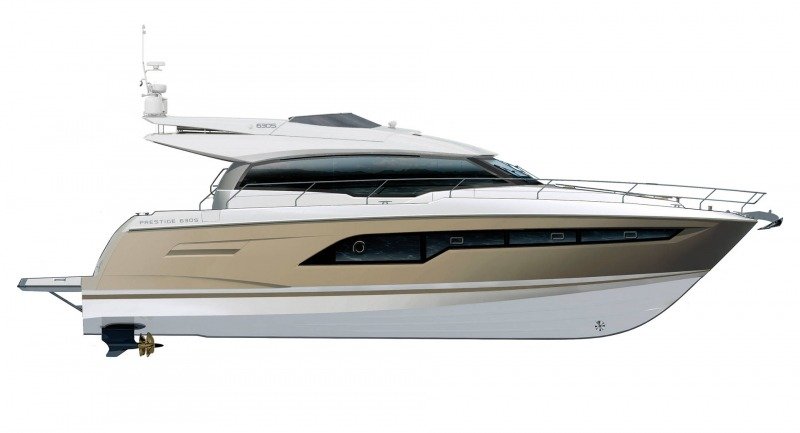
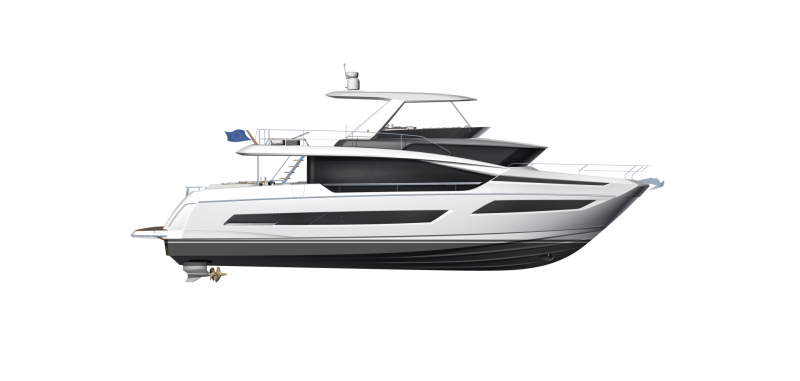
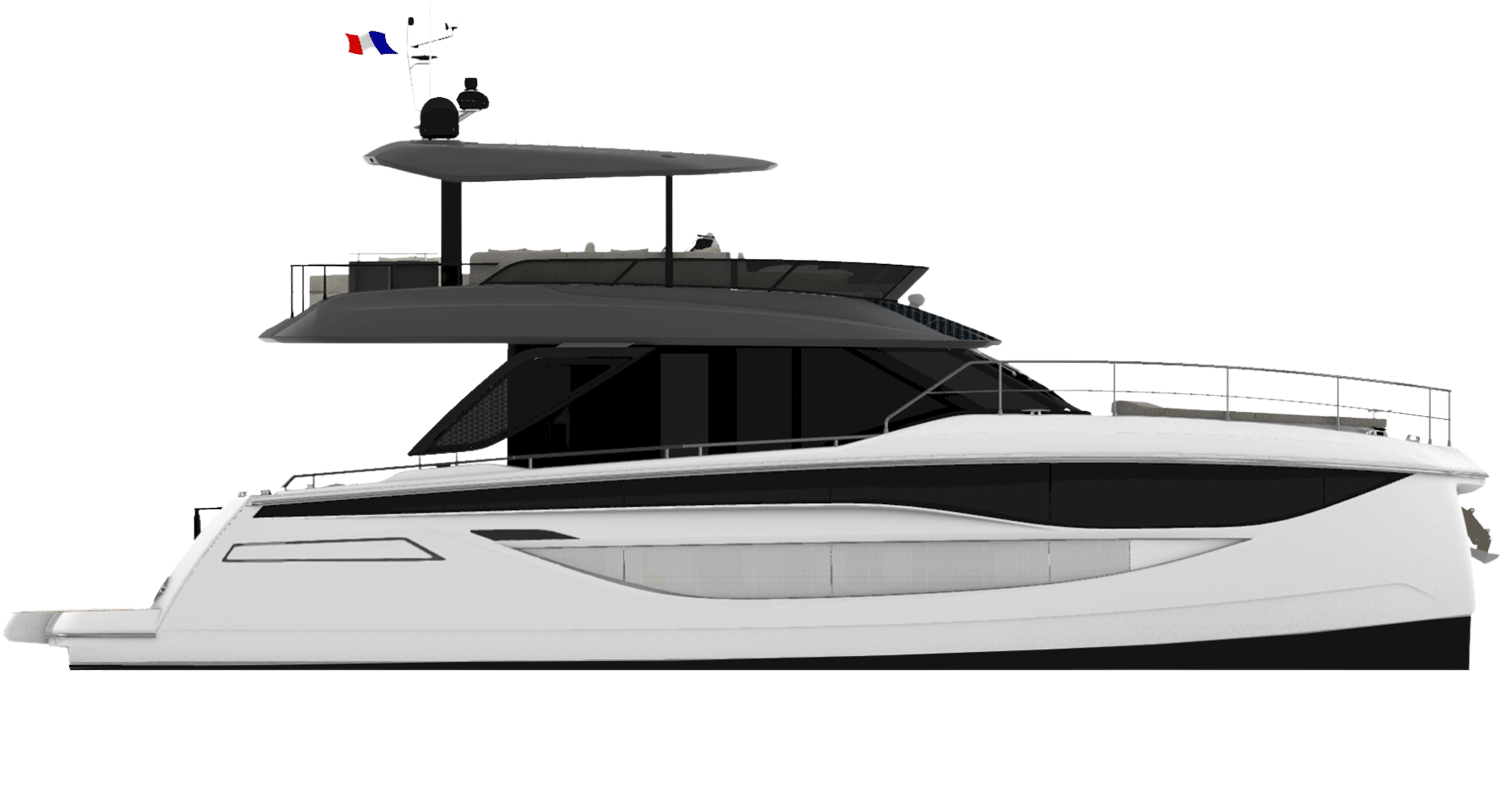
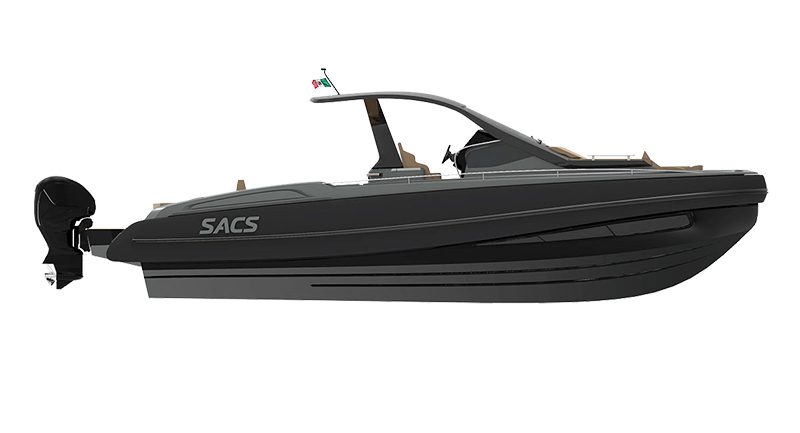
Yacht selection influences your water activity options considerably. Modern yachts for sale often include features like swim platforms, tender garages, and dedicated storage for water toys, but charter vessels vary widely in their equipment. Verify that your charter includes the water toys you want, such as paddleboards, kayaks, snorkelling gear, and inflatables. Larger yachts carry more equipment but may not access the smallest, most secluded anchorages where depth or width becomes limiting.
Itinerary planning should balance travel distances with time for water activities. Allow full days at prime anchorages rather than constantly moving to new locations. Build flexibility for weather changes, as wind and sea conditions affect both sailing comfort and water activity safety. Include backup anchorages for different wind directions so you can adjust plans whilst staying in areas with excellent swimming conditions.
Weather monitoring becomes part of your daily routine during a water-focused charter. Mediterranean summer weather generally offers stable conditions, but afternoon thermal winds can create choppy conditions in exposed anchorages. Morning typically provides the calmest water for activities. Download weather apps that show wind forecasts, and discuss conditions with your crew who understand local patterns.
Safety equipment requirements include life jackets for all water activities, particularly for children and less confident swimmers. Ensure your charter includes proper snorkelling equipment in various sizes, first aid supplies, and communication devices. Discuss safety procedures with your crew, including how they’ll monitor swimmers and respond to emergencies. Many experienced charter crews enhance your water activities through their knowledge of local conditions and hidden spots.
Provisions for full-day water activity sessions make your time more enjoyable. Stock plenty of drinking water, sun protection, and light meals that work well in hot conditions. Consider the yacht’s shower facilities for rinsing off salt water, and verify that fresh water capacity supports your group’s needs. Some anchorages offer no facilities ashore, so your yacht becomes your complete base for the day.
Planning a Mediterranean yacht charter requires coordinating many details to match your water activity preferences with suitable vessels and itineraries. Professional guidance helps you select the right yacht, timing, and locations for your specific interests. Contact us to discuss your Mediterranean yachting plans and receive personalized recommendations based on your preferred water activities and travel dates.
The Mediterranean offers extraordinary diversity in swimming and water activity anchorages, from the refined French Riviera to Croatia’s pristine islands. By understanding what makes anchorages ideal for different activities and planning your charter around water-focused experiences, you’ll create memorable days on some of Europe’s most beautiful coastlines. Whether you prioritize snorkelling among marine life, paddling along dramatic cliffs, or simply swimming in crystal-clear turquoise water, the right anchorage selection transforms your Mediterranean yachting experience. At Lengers Yachts, we help you plan charters that maximize your time in the Mediterranean’s best swimming locations, ensuring every anchorage meets your expectations for water quality, protection, and natural beauty.
Frequently Asked Questions
What are the best months to avoid jellyfish when swimming in Mediterranean anchorages?
Jellyfish populations typically peak in late summer (August-September) across most Mediterranean regions, though timing varies by location. To minimize encounters, plan swimming-focused charters for June or early July when jellyfish numbers are lower. If you do encounter jellyfish, move to a different anchorage as populations tend to be localized, and always keep vinegar onboard as a first-aid treatment for stings.
Do I need special permits or permissions to anchor in marine protected areas?
Many Mediterranean marine protected areas allow anchoring with restrictions, such as designated zones, maximum stay durations, or prohibitions on anchoring over seagrass beds. Some areas like parts of Corsica, the French islands, and certain Italian locations require advance permits or charge daily fees. Always research specific regulations before arrival and use mooring buoys where provided to protect sensitive seabeds.
How can I tell if an anchorage has safe holding before dropping anchor?
Check your nautical charts for seabed composition indicators (sand provides best holding, while rock and seagrass are less reliable), and review recent cruising guide updates or apps like Navily for user reports. Upon arrival, lower your anchor slowly while monitoring the depth sounder and chain angle, then reverse your engine to test the set. If the anchor drags easily or the chain feels light, relocate to a different spot with better holding.
What water toys and equipment should I request when booking a charter yacht?
Essential equipment includes paddleboards (SUPs), kayaks, quality snorkelling gear in multiple sizes, and a reliable tender with sufficient power for water sports. Consider requesting floating mats, underwater scooters, or diving compressors if you're serious about underwater exploration. Confirm what's included in your charter package versus additional rental costs, and request specific brands or models if you have preferences, as equipment quality varies significantly between charter companies.
How do I find the best snorkeling spots once I'm anchored in a bay?
Look for rocky outcrops, reef edges where sandy bottom meets rock, and areas near headlands where currents bring nutrients that attract fish. Local charter crews often know hidden spots not marked in guides, so always ask for recommendations. Start by snorkeling around your anchorage perimeter in the morning when visibility is best, and use your dinghy to explore further areas while someone remains aboard to monitor your position.
What should I do if weather conditions deteriorate while we're at anchor?
Monitor wind direction and speed continuously using your instruments and weather apps, and be prepared to relocate if winds shift to expose your anchorage or exceed 20 knots. Have backup anchorages identified on your charts for different wind directions before conditions worsen. If moving becomes unsafe, consider letting out more anchor chain for better holding (scope of 5:1 or greater), starting your engine to reduce load on the anchor, or contacting nearby marinas for emergency berths.
Are there any Mediterranean anchorages that offer warm water swimming outside the typical summer season?
Turkey's southern coast and Cyprus maintain the warmest water temperatures, often reaching 20-22°C in May and October, making them excellent for extended season swimming. The southern Greek islands (particularly Crete and Rhodes) and Malta also offer comfortable conditions into October. For spring swimming, consider starting your season in the eastern Mediterranean where waters warm earlier, then moving west as summer progresses to follow optimal temperatures.