






23.01.2026
What are the best overnight anchorages along the Turkish coast?
The Turkish coast offers numerous excellent overnight anchorages, with top choices including Göcek’s sheltered bays, Kekova’s historic waters, and the protected coves around Bodrum and Datça peninsulas. The best anchorages provide reliable shelter from prevailing winds, secure holding in sand or mud seabeds, and protection from wave action. When planning your route, you’ll find both popular spots with facilities and secluded bays offering tranquillity, making Turkey’s coastline ideal for mediterranean yachting adventures.
What makes a Turkish anchorage ideal for overnight stays?
A quality overnight anchorage along the Turkish coast needs reliable shelter from prevailing winds, secure holding ground, adequate depth, and protection from wave action. The best spots feature sand or mud seabeds that allow your anchor to dig in properly, depths between 4 and 10 metres for comfortable swinging room, and natural geographic features that block wind and swell.
Turkey’s deeply indented coastline creates natural harbours through its mountainous terrain meeting the sea. These formations produce countless bays and coves that offer different protection profiles depending on wind direction. You should look for anchorages with high land masses on the side of prevailing winds, which typically blow from the northwest during summer months.
The seabed composition matters significantly for overnight security. Sand and mud provide excellent holding, whilst rocky or weedy bottoms can cause your anchor to drag. Many Turkish anchorages feature a mix of substrates, so you’ll want to check your charts and use your depth sounder to identify the best spots within each bay.
Accessibility plays a role in your overnight comfort. The best anchorages allow easy entry and exit, with clear approaches free from underwater hazards. Protection from wave action ensures you’ll sleep soundly, even if winds pick up during the night. Look for bays that curve deeply into the coastline rather than open roadsteads that expose you to fetch.
Which anchorages along the Lycian coast offer the best overnight protection?
The Lycian coast from Fethiye to Antalya provides some of Turkey’s finest overnight anchorages. Göcek’s bay system stands out with multiple options including Tersane Island, Bedri Rahmi Bay, and Cleopatra’s Bay, each offering excellent holding in mud and complete shelter from most wind directions. These bays feature depths of 5-8 metres and stunning natural surroundings.
Around Kalkan, you’ll discover several protected spots including the bay just east of town, which provides good shelter from westerlies with a sandy bottom. The area offers convenient access to shore facilities whilst maintaining a peaceful atmosphere for overnight stays.
The Kaş region presents numerous choices, with the bay at Kaş town itself offering reasonable protection in settled conditions. For better shelter, the coves to the east provide more reliable overnight security. The waters around Kekova deserve special attention, particularly the anchorages near Üçağız and Kaleköy, where you’ll anchor amongst ancient ruins in crystal-clear water with excellent mud holding.
Kekova’s northern shore features multiple small bays that protect you from southerlies, whilst the channel between Kekova Island and the mainland offers all-round shelter. The seabed throughout this area provides secure holding, and depths suit most yacht draughts. These anchorages combine historical interest with practical overnight security, making them favourites for mediterranean yachting enthusiasts.
Where should you anchor overnight in the Bodrum and Datça peninsulas?
The Bodrum and Datça peninsulas offer diverse overnight anchorages suited to different conditions. Knidos at the western tip of Datça peninsula provides two bays that shelter you from opposite wind directions, with the southern bay protecting from northerlies and the northern bay offering refuge from southerly winds. The holding is good in sand, and the ancient ruins add historical interest to your stay.
Along Datça peninsula’s southern coast, you’ll find numerous coves including Palamutbükü, which features excellent all-round protection and a sandy bottom. The bay’s deep indentation shields you from most wind directions, making it reliable for overnight stays. Further east, Orhaniye (Keçi Bükü) offers outstanding shelter in a fjord-like setting with good facilities ashore.
Around Bodrum, the bays at Gümüşlük, Türkbükü, and Yalıkavak provide options depending on wind direction. Gümüşlük’s western bay offers good protection from easterlies with adequate depths and reasonable holding. The numerous small coves along the northern coast of Bodrum peninsula give you alternatives when the meltemi blows strongly from the north.
Wind patterns in this area require attention. The meltemi typically blows from the northwest during summer, funnelling between islands and accelerating through channels. You’ll want to select anchorages with high land on the northwestern side for best protection. Morning calm often gives way to afternoon winds, so arriving early allows you to assess conditions and reset your anchor if needed.
What are the hidden gem anchorages most cruisers miss along the Turkish coast?
Beyond the popular spots, Turkey’s coast hides numerous tranquil anchorages that offer authentic experiences without crowds. The bay at Sarsala, southeast of Göcek, provides excellent shelter and beautiful surroundings with far fewer yachts than the main Göcek bays. The holding is reliable, and the natural setting feels pristine.
Further east, the anchorages around Adrasan Bay offer peaceful overnight stops with a long, protected beach and good holding in sand. This area sees less traffic than the main Lycian coast spots whilst providing equal quality in terms of protection and natural beauty.
The Gulf of Hisarönü contains several overlooked anchorages on its eastern shore. These bays provide good shelter from westerlies and feature uncrowded waters where you can anchor in complete tranquillity. The village of Selimiye offers an authentic Turkish atmosphere with excellent protection and friendly local facilities.
On the northern coast near Bodrum, small coves between the main bays often sit empty whilst nearby popular spots fill with yachts. These require careful navigation on approach but reward you with private anchorages and reliable overnight security. The bay at Küçükbük provides one such example, offering good protection and peaceful surroundings away from tourist centres.
How do you plan your overnight anchoring route along the Turkish coast?
Planning your Turkish coast route requires understanding weather patterns and daily distances between suitable anchorages. The meltemi wind dominates summer months, typically building through the afternoon and easing overnight. You’ll want to plan passages for morning hours when conditions remain calmer, arriving at your chosen anchorage by early afternoon to secure a good spot.
Calculate daily distances based on comfortable cruising speeds, allowing time for anchoring procedures and unexpected delays. Most anchorages sit 15-30 nautical miles apart, giving you flexibility in your daily schedule. Navigation apps and detailed charts help you identify anchorages and assess their suitability before arrival.
Check weather forecasts daily, paying attention to wind direction and strength predictions. Turkish coastal weather can change quickly, so having alternative anchorages in mind gives you options if conditions shift. Local regulations vary by area, with some bays requiring permits or restricting anchoring near archaeological sites.
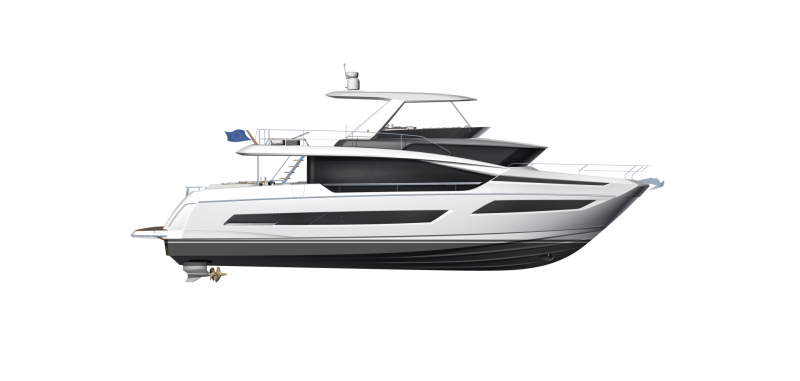
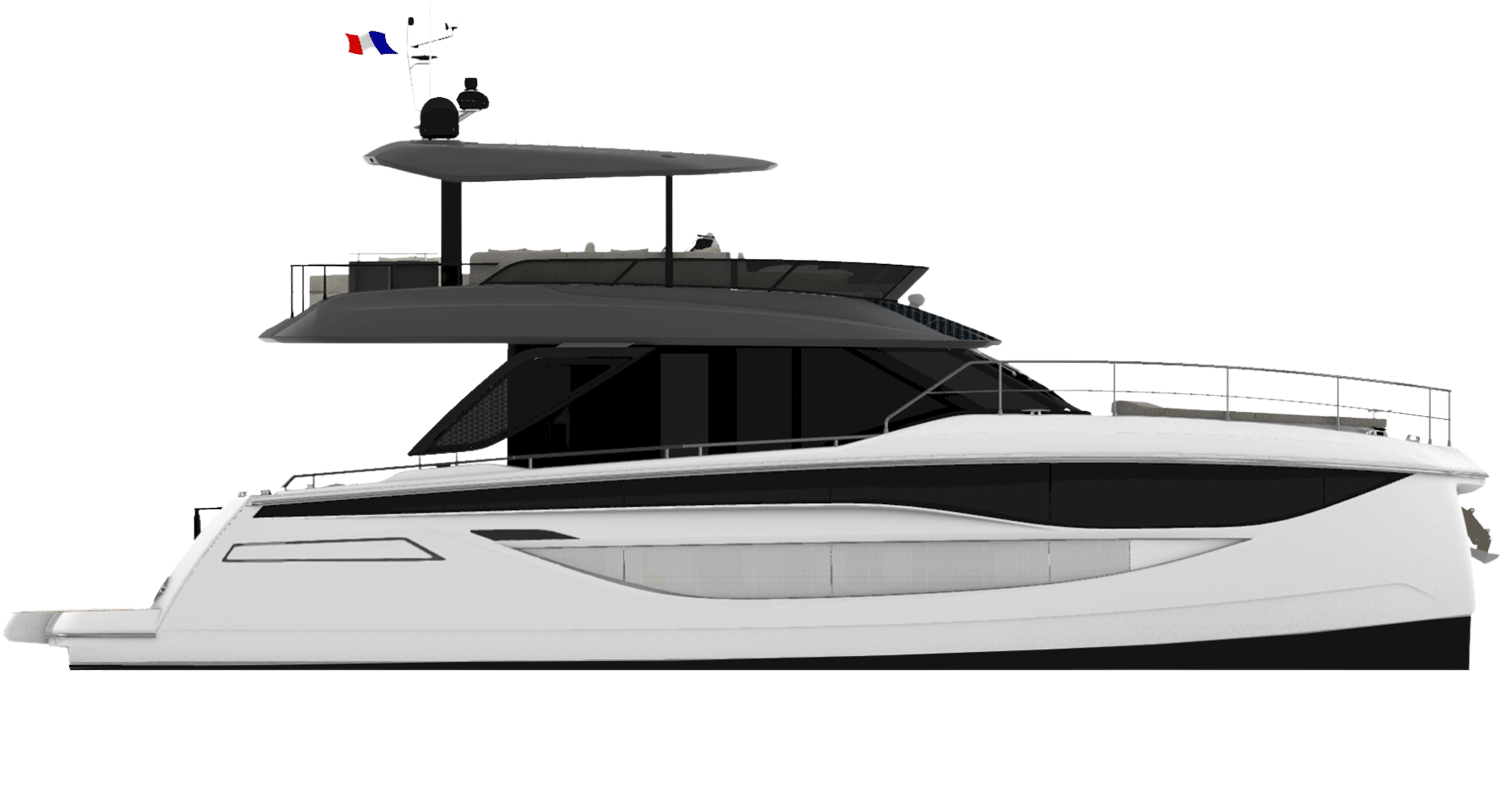
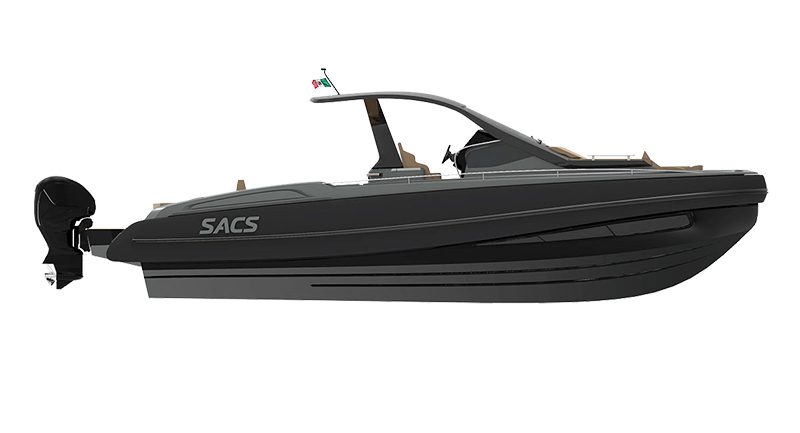
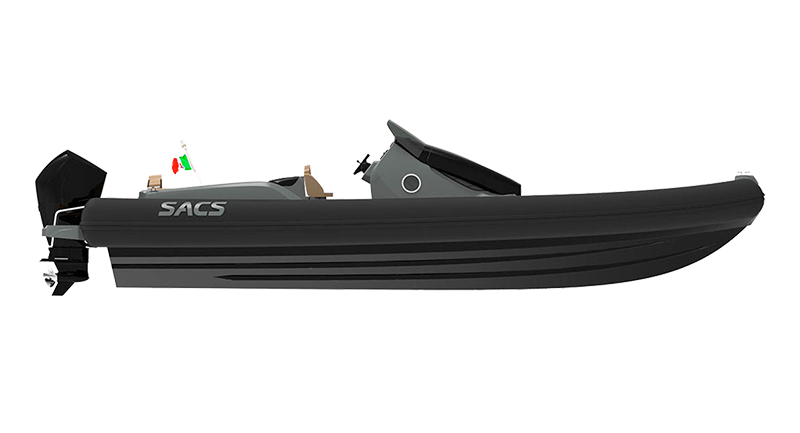
Your vessel’s characteristics influence route planning significantly. Different yachts handle various conditions differently, and knowing your boat’s capabilities helps you select appropriate anchorages and passages. Seasonal considerations matter too, with July and August bringing the strongest meltemi winds whilst May, June, September, and October offer gentler conditions for cruising.
Planning resources include Turkish Waters and Cyprus Pilot, navigation apps with detailed charts, and local knowledge from marina staff or fellow cruisers. If you’re new to the area or want expert guidance for planning your yacht experience along the Turkish Riviera, professional advice helps you maximize your time and discover the best anchorages for your preferences. You can reach out for tailored recommendations that match your cruising style and schedule.
The Turkish coast rewards careful planning with unforgettable overnight anchorages that combine natural beauty, reliable shelter, and authentic experiences. Whether you prefer popular bays with facilities or secluded coves offering tranquillity, you’ll find options that suit your cruising style throughout this remarkable mediterranean yachting destination. At Lengers Yachts, we understand that exploring Turkey’s coastline requires both the right vessel and local knowledge, and we’re here to help you experience the very best this stunning region offers.
Frequently Asked Questions
How do I know if my anchor is holding securely in a Turkish anchorage overnight?
After setting your anchor, use GPS anchor watch features or navigation apps to monitor your position throughout the night. Take bearings or transit marks from fixed points on shore immediately after anchoring, then check them periodically to ensure you haven't dragged. In sand or mud bottoms typical of Turkish anchorages, a proper scope of 5:1 or more and a gentle reverse throttle test helps confirm your anchor has dug in properly before settling in for the night.
What should I do if weather conditions change unexpectedly while anchored overnight?
Monitor your anchor watch system and be prepared to re-anchor or relocate if wind direction shifts significantly. Keep your engine ready to start, ensure crew knows the plan, and don't hesitate to move to a more protected bay if conditions deteriorate. Many Turkish anchorages offer protection from specific wind directions, so having identified alternative nearby anchorages during your planning gives you safe options if the wind swings.
Are there any regulations or permits required for overnight anchoring in Turkish waters?
Most Turkish anchorages allow free overnight anchoring, but some protected archaeological areas like parts of Kekova require special permits or prohibit anchoring entirely to preserve underwater ruins. Marine parks may have designated anchoring zones, and some popular bays have mooring buoys managed by local restaurants where a small fee applies. Always check current local regulations and respect any marked restricted zones.
How close to other yachts should I anchor in popular Turkish anchorages?
Maintain sufficient swinging room by staying at least 50-75 metres from neighboring yachts, accounting for different anchor rodes and how boats may swing differently based on windage. In popular spots like Göcek bays during peak season, space becomes limited, so arrive early for the best positioning. Always observe the anchoring pattern of boats already in the bay and match their scope to ensure everyone swings similarly.
What essential equipment should I have onboard for safe overnight anchoring?
Beyond your primary anchor and adequate chain, carry a secondary anchor for extra security in questionable holding or strong winds. GPS-based anchor watch alarms, detailed charts showing seabed composition, a depth sounder, and proper navigation lights are essential. A handheld VHF radio, torch, and clear communication plan with your crew ensure you can respond effectively if situations develop during the night.
Can I safely anchor overnight as a beginner, or should I use marinas initially?
Beginners can safely anchor overnight by starting with well-protected, popular anchorages during settled weather conditions in shoulder seasons when bays are less crowded. Practice anchoring techniques during daylight in easy conditions before attempting more challenging spots. Consider spending your first few nights in Turkish waters at marinas or on restaurant moorings to build confidence, then gradually progress to independent anchoring as your skills develop.
What's the best way to approach an unfamiliar Turkish anchorage for the first time?
Arrive with plenty of daylight remaining to assess the bay, identify other yachts' anchoring positions, and spot any hazards. Approach slowly while monitoring your depth sounder and comparing chart data with actual conditions. Circle the anchorage once to evaluate seabed type, depth variations, and protection from current wind direction before selecting your spot. Don't hesitate to ask nearby cruisers via VHF about local conditions or specific holding areas within the bay.