






14.12.2025
What are the bridge clearance considerations in Mediterranean ports?
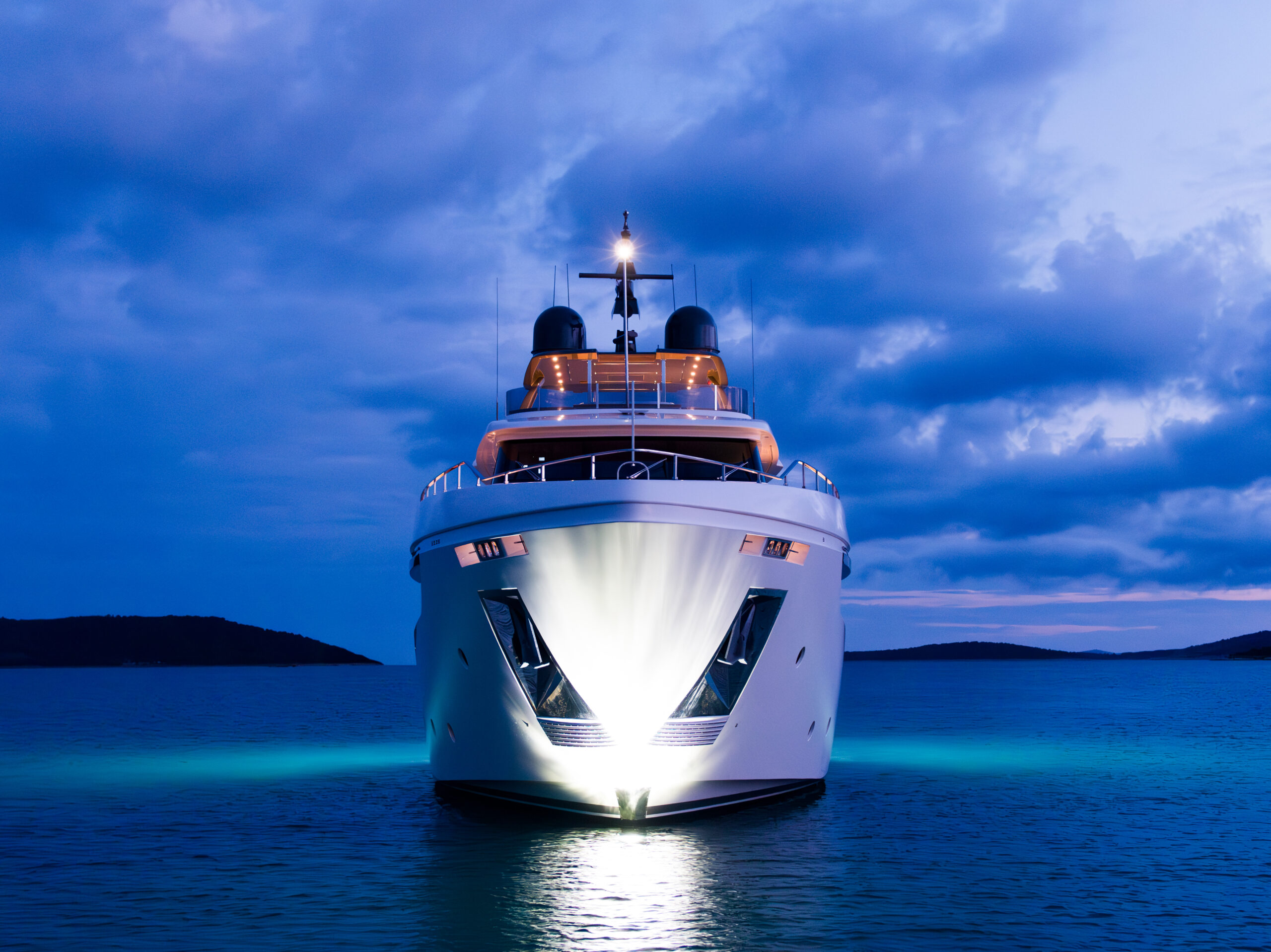
Bridge clearance measures the vertical distance from the waterline to your yacht’s highest fixed point, including antennas, radar equipment, and masts. Mediterranean yachting presents unique challenges with historic bridges, canal systems, and harbour infrastructure that restrict access to certain ports and waterways. Understanding your vessel’s air draft and planning routes accordingly prevents denied port access, forced itinerary changes, and potential structural damage to your yacht.
What exactly is bridge clearance and why does it matter for Mediterranean yachting?
Bridge clearance refers to the measurement from your yacht’s waterline to its highest fixed point, which includes radar domes, antennas, masts, and any other equipment extending above the main structure. This measurement determines which bridges, canal systems, and harbour entrances your vessel can safely navigate without risk of collision or damage.
Mediterranean yachting presents particular challenges because many ports feature historic infrastructure built centuries before modern yacht design. Ancient stone bridges, narrow canal passages, and traditional harbour entrances in cities like Venice, Marseille, and Split were constructed for smaller vessels with significantly lower profiles. These architectural features remain unchanged, creating permanent restrictions on which yachts can access certain destinations.
Your route planning depends heavily on accurate clearance information. A yacht with a 20-metre air draft cannot pass beneath a 15-metre bridge, regardless of how appealing the destination beyond might be. This affects your ability to explore inland waterways, access certain marinas, and visit historic port cities where low bridges protect old town centres from larger vessels.
Miscalculating bridge clearance creates serious consequences beyond inconvenience. Denied port access means you must find alternative destinations, often at short notice and potentially far from your planned route. Forced route changes consume additional fuel, extend your journey time, and may require you to miss scheduled meetings or events. Most seriously, attempting to pass beneath insufficient clearance risks catastrophic damage to radar equipment, communication systems, and structural elements, resulting in expensive repairs and potentially dangerous situations at sea.
Which Mediterranean ports have the most restrictive bridge clearances?
French canal systems present some of the most restrictive clearances in Mediterranean yachting. The Canal du Midi and coastal canals connecting the Atlantic to the Mediterranean feature historic locks and bridges that accommodate vessels with relatively modest air drafts. These waterways provide scenic routes through southern France but remain accessible only to yachts with lower profiles or retractable masts.
Italian waterways, particularly around Venice and the Venetian Lagoon, impose significant height restrictions. The historic bridges crossing smaller canals and the approaches to traditional marinas were designed for classic wooden vessels and fishing boats. Modern motor yachts with substantial superstructures and communication equipment often find themselves excluded from the most picturesque areas of these ancient maritime cities.
Croatian passages through the Dalmatian coast include several bridges connecting islands to the mainland. The Krk Bridge and similar structures allow access to popular cruising grounds but establish clear height limits. Yachts exceeding these restrictions must take longer routes around island groups, adding considerable distance to passages between northern and southern Croatian waters.
Greek harbour entrances, particularly in older ports on islands like Corfu, Rhodes, and Crete, sometimes feature historic archways and breakwater structures with limited overhead clearance. These traditional ports offer protection and proximity to town centres but exclude taller vessels from their most sheltered berths.
Seasonal variations affect clearance in certain Mediterranean locations, though tidal ranges remain relatively small compared to Atlantic waters. Water levels fluctuate based on atmospheric pressure, wind direction, and seasonal rainfall affecting rivers feeding into coastal areas. These variations typically measure in centimetres rather than metres but can make the difference between safe passage and contact with bridge structures when working with minimal clearance margins.
How do you accurately calculate your yacht’s air draft before Mediterranean cruising?
Measuring your yacht’s total height starts at the waterline and extends to the absolute highest point on the vessel. This includes obvious structures like flybridge hardtops and masts, but also radar domes, satellite communication dishes, navigation lights, and antenna systems. Many yacht owners underestimate their air draft by forgetting to account for equipment added after original construction or failing to measure extended antennas properly.
Variable factors affect your waterline position and therefore your total air draft measurement. A fully loaded yacht with full fuel tanks, water tanks, and provisions sits lower in the water than an empty vessel, reducing air draft by several centimetres. Conversely, a lightly loaded yacht at the end of a long passage sits higher, increasing the distance from waterline to highest point. Passenger weight and distribution also influence your vessel’s trim and waterline position.
Documentation requirements vary between jurisdictions, but your yacht’s official specifications should include air draft measurements. Builder specifications, survey documents, and registration papers typically list this information. However, these figures may reflect the original configuration without accounting for equipment additions or modifications made during your ownership. Physically measuring your yacht provides the most reliable data for passage planning.
Yacht captains typically add a safety margin of 0.5 to 1 metre beyond their calculated air draft when evaluating bridge clearances. This conservative approach protects against measurement errors, unexpected water level variations, and the natural motion of the vessel in waves or wakes. A yacht with a 15-metre air draft should avoid bridges with 16-metre clearance ratings, instead seeking passages with at least 16.5 to 17 metres of clearance. This margin prevents the stress of extremely tight passages and eliminates the risk of contact during normal vessel movement.
What planning steps help you avoid bridge clearance problems in Mediterranean ports?
Pre-cruise planning requires thorough route research using updated nautical charts and pilot books specific to Mediterranean waters. Charts indicate bridge locations, published clearance heights, and alternative routes avoiding restricted passages. Reading recent cruising reports from other yacht owners provides practical insights about seasonal conditions, actual clearances versus published specifications, and recommended approaches to challenging passages.
Harbour masters offer valuable local knowledge about clearance restrictions, seasonal variations, and alternative berthing options when primary destinations prove inaccessible. Contacting harbour authorities before arrival allows you to confirm current conditions, verify clearance information, and arrange suitable berths for your vessel’s dimensions. This communication prevents the disappointment of arriving at a destination only to discover you cannot enter the harbour.
Digital tools and navigation applications now include bridge clearance databases, though you should verify critical information through multiple sources. Electronic chart systems display overhead restrictions along your planned route, allowing you to identify potential problems during passage planning rather than discovering them underway. These tools work best when combined with traditional chart work and local knowledge from experienced captains.
Connecting with local yacht services and captains familiar with specific Mediterranean regions provides insights that charts and databases cannot capture. Experienced professionals know which published clearances prove accurate, which bridges appear more restrictive than their ratings suggest, and which alternative routes offer the best combination of safety and convenience. When considering yachts for sale for Mediterranean cruising, air draft specifications should influence your selection based on your preferred destinations and cruising grounds.
Alternative route planning identifies backup destinations and passages before you depart. Every cruise itinerary should include contingency options for situations where primary destinations prove inaccessible due to clearance restrictions, weather conditions, or unexpected circumstances. This flexibility reduces stress and allows you to enjoy Mediterranean yachting without feeling constrained by rigid schedules. For personalised guidance on Mediterranean cruising routes and yacht selection suited to your preferred destinations, contact experienced yacht professionals who understand regional variations and vessel capabilities.
Conclusion
Bridge clearance considerations shape every aspect of Mediterranean yacht cruising, from vessel selection to route planning and destination choices. Understanding your yacht’s air draft, researching regional restrictions, and planning with appropriate safety margins allows you to explore Mediterranean waters confidently whilst avoiding the complications of insufficient clearance. The historic infrastructure that makes Mediterranean ports so charming also creates real limitations for modern yachts, making careful planning more than just good practice.
At Lengers Yachts, we understand how bridge clearance affects your Mediterranean cruising experience. Our expertise in yacht specifications and regional cruising conditions helps you select vessels suited to your preferred destinations and plan routes that maximise your enjoyment of Mediterranean yachting. Whether you’re exploring French canals, Croatian passages, or Italian waterways, proper clearance planning transforms potential obstacles into informed decisions that enhance your time on the water.
Frequently Asked Questions
Can I temporarily lower my yacht's air draft to pass under low bridges?
Some yachts feature retractable masts, folding radar arches, or removable antennas that can reduce air draft for bridge passages. However, this requires advance planning, appropriate equipment, and often professional assistance. Motor yachts with fixed radar masts and hardtop structures typically cannot modify their air draft underway, making it essential to know your minimum possible height before attempting restricted passages.
What should I do if I arrive at a bridge and realize my clearance calculations were wrong?
Never attempt to pass under a bridge if you have any doubt about adequate clearance. Contact the local harbour master immediately for guidance and turn back to find an alternative route or anchorage. Attempting a risky passage can result in catastrophic damage to your yacht, injury to crew, and significant liability. Always err on the side of caution and treat bridge clearance as an absolute limitation, not a challenge to overcome.
How do I find accurate, up-to-date bridge clearance information for Mediterranean routes?
Combine multiple sources including updated nautical charts, Mediterranean pilot books, electronic navigation systems with overhead clearance databases, and direct communication with harbour masters along your route. Recent cruising reports from yacht forums and cruising associations provide real-world experiences that complement official specifications. For critical passages, verify clearances through at least two independent sources and contact local authorities within 24-48 hours of your intended passage.
Does bridge clearance become less of an issue with smaller yachts?
Smaller yachts generally have lower profiles and encounter fewer clearance restrictions, but you still need to measure and plan carefully. Even vessels under 15 metres may have radar arches, fishing outriggers, or communication equipment that extends higher than the main structure. The advantage of smaller yachts is access to more Mediterranean destinations, including historic ports and canal systems that exclude larger vessels entirely.
Are there any Mediterranean regions where bridge clearance is rarely a concern?
Open coastal cruising along the Spanish Costa Brava, Turkish Riviera, and most Greek islands involves minimal bridge clearance issues since you're navigating open waters between ports. However, even these regions have specific harbours with overhead restrictions at marina entrances or when accessing inner basins. The key is distinguishing between coastal passages where clearance rarely matters and harbour approaches or inland waterways where it becomes critical.
How much does air draft affect yacht resale value in the Mediterranean market?
Yachts with lower air drafts (under 15-16 metres) often command premium prices in the Mediterranean market because they can access a wider range of destinations including historic ports, canal systems, and protected inner harbours. Buyers specifically seeking Mediterranean cruising frequently prioritize air draft specifications alongside range, beam, and draft measurements. When selecting a yacht for this region, consider how clearance limitations might affect both your cruising enjoyment and eventual resale prospects.