






15.04.2026
What is the difference between motor and sailing super yachts?
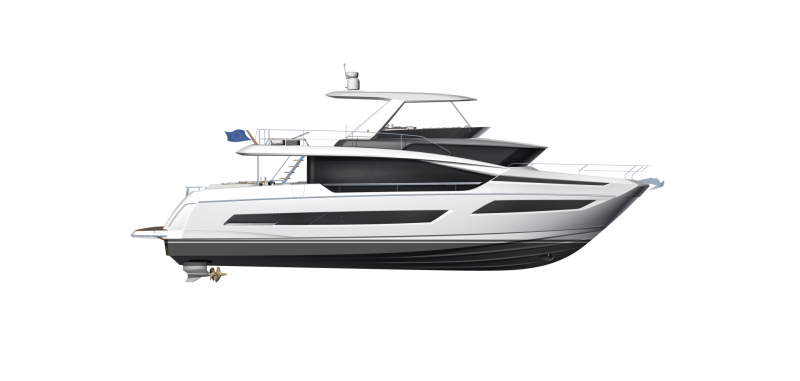
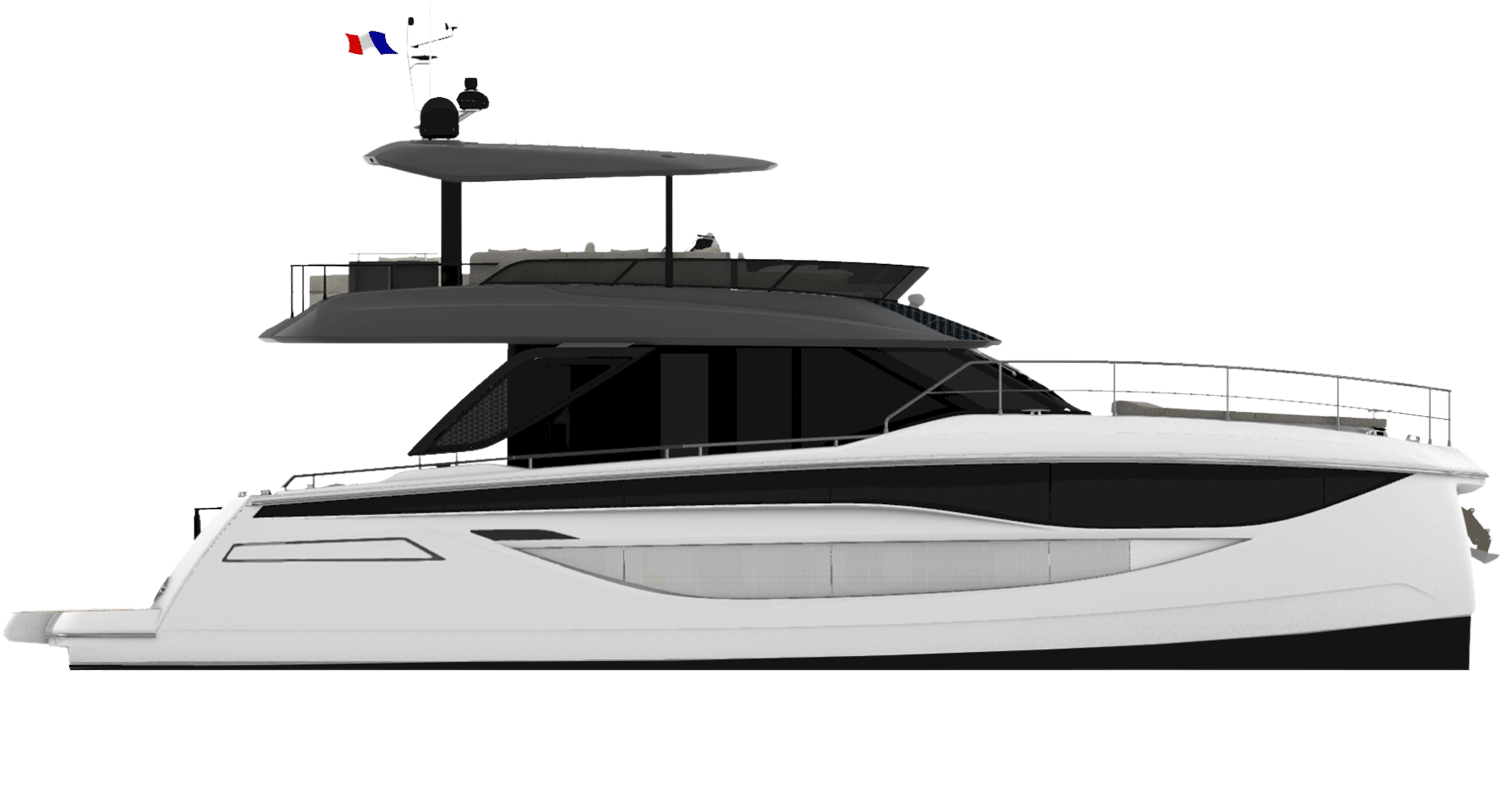
Motor and sailing superyachts represent two distinct approaches to luxury yachting, each offering unique advantages and experiences. Motor superyachts prioritize speed, space, and convenience, with powerful engines and expansive interiors, while sailing superyachts emphasize the traditional art of sailing, with wind-powered propulsion and elegant design. The choice between them depends on your preferences for performance, lifestyle, and operating philosophy.
Understanding these differences helps you make an informed decision when selecting your ideal luxury vessel. Both types deliver exceptional craftsmanship and prestige, but they cater to different yachting experiences and operational requirements.
What Are the Main Differences Between Motor and Sailing Superyachts?
Motor superyachts rely on powerful diesel engines for propulsion and typically feature larger interior volumes, while sailing superyachts use wind power as their primary means of movement and incorporate masts and rigging systems. Motor yachts prioritize speed and interior space, whereas sailing yachts emphasize the traditional sailing experience and fuel efficiency.
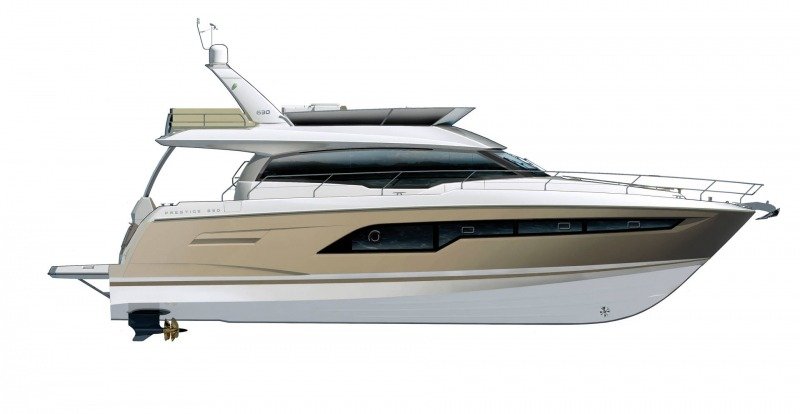
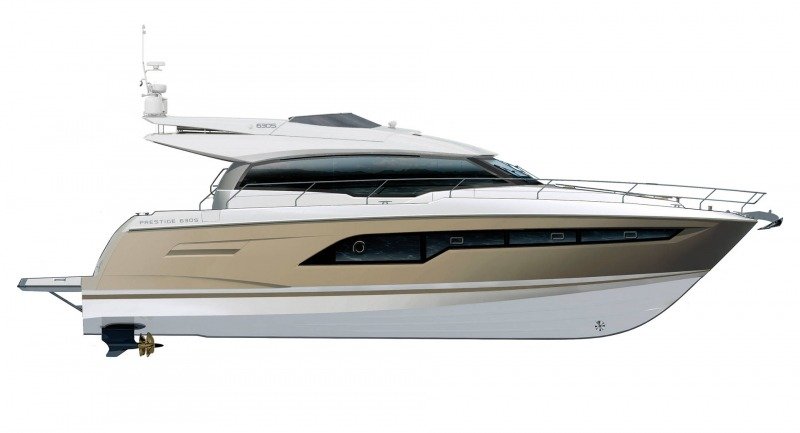
The structural differences extend beyond propulsion systems. Motor superyachts often feature multiple decks with expansive entertainment areas, larger staterooms, and more amenities, such as beach clubs and swimming pools. Their design focuses on maximizing usable space and comfort for guests.
Sailing superyachts incorporate sophisticated rigging systems, including masts, sails, and winches, that define their aesthetic and functionality. These vessels typically have a more streamlined profile and may sacrifice some interior volume for sailing performance. However, modern sailing superyachts still offer luxurious accommodations and can feature hybrid propulsion systems that combine traditional sailing with auxiliary engines.
Which Type of Superyacht Offers Better Performance and Speed?
Motor superyachts deliver superior speed and consistent performance, typically cruising at 12–20 knots, with top speeds reaching 25–35 knots or higher. Sailing superyachts generally cruise at 8–12 knots under sail power but can achieve impressive speeds of 15–20 knots in optimal wind conditions.
Motor yacht performance remains predictable regardless of weather conditions. You can maintain your schedule and reach destinations on time, making them ideal for owners who value reliability and efficiency. Powerful engines provide immediate acceleration and the ability to navigate various sea conditions with confidence.
Sailing superyachts offer a different type of performance experience. While they may not match the raw speed of motor yachts, they provide an engaging and dynamic sailing experience that changes with wind and weather conditions. Modern sailing superyachts often feature advanced sail-handling systems and can achieve remarkable speeds when conditions align, creating an exhilarating experience that motor yachts cannot replicate.
How Do Operating Costs Compare Between Motor and Sailing Superyachts?
Motor superyachts typically have higher operating costs due to significant fuel consumption, with annual operating expenses often ranging from 10–15% of the yacht’s value. Sailing superyachts generally cost 20–30% less to operate annually, primarily due to reduced fuel consumption when sailing under wind power.
Fuel represents the largest variable cost difference between the two types. Motor superyachts consume substantial amounts of diesel fuel, especially during long passages or when operating at higher speeds. A large motor yacht might consume 200–500 gallons per hour, while a sailing yacht under sail power uses minimal fuel for auxiliary systems only.
However, sailing superyachts have unique maintenance requirements for their rigging, sails, and specialized equipment. Sail replacement, rigging inspections, and mast maintenance add specific costs that motor yachts do not face. Despite these additional expenses, overall operating costs typically remain lower due to fuel savings and generally simpler mechanical systems.
What Lifestyle Experience Does Each Type of Superyacht Provide?
Motor superyachts offer a resort-like lifestyle experience, with an emphasis on comfort, entertainment, and social gatherings, featuring spacious decks, multiple dining areas, and extensive amenities. Sailing superyachts provide a more intimate, adventure-focused experience that connects you with maritime traditions and the natural elements of wind and sea.
The motor yacht lifestyle centers around relaxation and entertainment. These vessels excel at hosting large groups with their expansive deck spaces, multiple bars, and entertainment systems. You can enjoy activities like water sports from beach clubs, dining al fresco on large aft decks, or relaxing in spacious salons regardless of weather conditions.
Sailing superyachts create a more engaged and participatory experience. Even with a professional crew handling the sailing, guests often enjoy watching the sail-handling process and feeling the yacht’s response to wind and waves. The quieter operation under sail allows for a stronger connection with the marine environment, making them ideal for those who appreciate the art and tradition of sailing. Many owners find the sailing experience meditative and rewarding, offering a different perspective on luxury yachting.
When you’re ready to explore your options—whether you’re drawn to the power and luxury of motor superyachts or the elegance and tradition of sailing vessels—we at Lengers Yachts can help you find the perfect match. Our expertise with prestigious brands like Sanlorenzo ensures access to exceptional luxury vessels that meet your specific preferences and lifestyle requirements. Contact our team to begin your journey toward owning the superyacht of your dreams.
Frequently Asked Questions
How long does it typically take to transition from motor yachting to sailing superyachts?
The transition timeline varies depending on your sailing experience, but most motor yacht owners spend 6-12 months learning sailing fundamentals and yacht-specific systems. Many choose to charter sailing superyachts first to experience the lifestyle, then work with experienced captains and sailing instructors during their first year of ownership to build confidence and skills.
Can sailing superyachts be operated effectively in areas with inconsistent wind patterns?
Yes, modern sailing superyachts are equipped with powerful auxiliary engines that allow them to operate efficiently in low-wind conditions. Hybrid propulsion systems and advanced weather routing technology help captains optimize passages by combining motor and sail power based on conditions, ensuring reliable transportation even in variable wind areas.
What are the most common mistakes first-time superyacht buyers make when choosing between motor and sailing?
The most frequent mistake is choosing based solely on initial purchase price rather than considering long-term operating costs and actual usage patterns. Many buyers also underestimate the space differences between motor and sailing yachts, or overestimate their interest in active sailing participation, leading to regret about their choice within the first few years of ownership.
How do insurance costs differ between motor and sailing superyachts?
Sailing superyachts typically have slightly higher insurance premiums due to the complexity of rigging systems and perceived higher risk of equipment failure. However, the difference is usually modest (5-15% higher), and some insurers offer discounts for sailing yachts due to their generally lower speeds and reduced collision risk compared to high-speed motor yachts.
What crew requirements and costs should I expect for each type of superyacht?
Motor superyachts typically require larger crews (8-20+ members for 150+ foot vessels) due to complex mechanical systems and extensive guest services, while sailing superyachts often operate efficiently with smaller crews (6-15 members) but require specialized sailing expertise. Crew costs for sailing yachts may be 10-20% higher per person due to the specialized skills required, but overall crew expenses are often lower due to smaller crew sizes.
Are there specific regions or cruising areas better suited for one type over the other?
Motor superyachts excel in areas with shorter distances between destinations and extensive marina infrastructure, such as the Mediterranean and Caribbean. Sailing superyachts are ideal for trade wind regions like the Caribbean during winter months, the Mediterranean during summer, and longer passages where fuel efficiency matters. However, both types can operate globally with proper planning and support.