






17.06.2026
What is the maximum loan amount for yacht financing?
Yacht financing maximum loan amounts typically range from €500,000 to €50 million or more, depending on the vessel’s value, your financial profile, and the lender’s policies. Most marine lenders will finance 70–90% of a yacht’s appraised value, with luxury yacht buyers often securing loans between €2 million and €15 million for premium vessels. The exact amount you can borrow depends on your income, assets, credit history, and the specific yacht you’re purchasing.
Understanding yacht financing limits helps you plan your luxury vessel purchase effectively and explore the full range of yachts within your budget. Let’s examine the key factors that determine how much you can borrow for your dream yacht.
What Is the Typical Maximum Loan Amount for Yacht Financing?
Most yacht lenders offer maximum loan amounts between €10 million and €50 million for luxury vessels, though some specialized marine finance companies can arrange financing up to €100 million for superyachts. The typical loan range for luxury yacht buyers falls between €2 million and €15 million, covering vessels from 50 to 150 feet in length.
European marine lenders generally structure their maximum amounts based on vessel categories. Sport yachts and cruisers under 80 feet typically qualify for loans up to €5 million, while luxury motor yachts between 80 and 120 feet can secure financing up to €15 million. Superyachts over 120 feet often require specialized lending arrangements with higher maximums.
The loan amount also depends on whether you’re purchasing new or pre-owned. New yacht financing often allows higher loan-to-value ratios, potentially reaching 90% of the purchase price. Pre-owned luxury yachts typically qualify for 70–80% financing, affecting your maximum borrowing capacity.
What Factors Determine Your Maximum Yacht Loan Amount?
Your maximum yacht loan amount depends on five primary factors: your annual income, liquid assets, credit score, debt-to-income ratio, and the yacht’s appraised value. Lenders typically require annual income of 10–20% of the loan amount and liquid assets worth at least 30% of the financed amount.
Income requirements vary significantly based on loan size. For a €5 million yacht loan, lenders expect annual income between €500,000 and €1 million. Larger loans require proportionally higher income levels, with some lenders requiring income verification through multiple years of tax returns and financial statements.
Your liquid asset portfolio plays an important role in determining loan capacity. Marine lenders prefer borrowers with diversified investments, cash reserves, and other valuable assets beyond the yacht itself. This demonstrates financial stability and provides additional security for the loan.
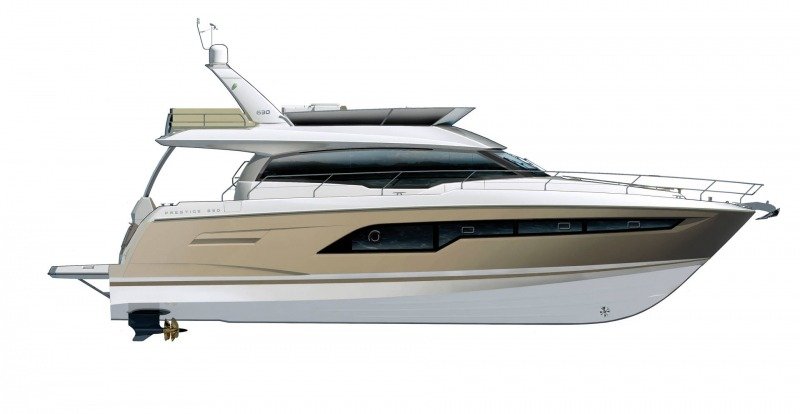
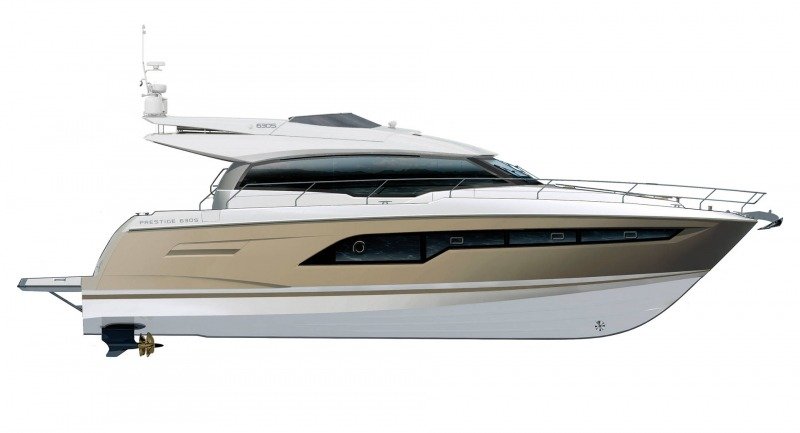
The yacht’s age, condition, and manufacturer also influence your maximum loan amount. Prestigious brands like Sanlorenzo, Prestige, and other luxury manufacturers typically qualify for higher loan-to-value ratios due to their strong resale values and market reputation.
How Do Lenders Calculate Yacht Loan Eligibility?
Yacht lenders calculate eligibility using a debt-to-income ratio analysis, typically requiring your total monthly debt payments to remain below 40–45% of gross monthly income. They also evaluate your liquid net worth, requiring it to exceed 20–30% of the requested loan amount for luxury vessel financing.
The calculation process begins with income verification through tax returns, profit and loss statements for business owners, and asset documentation. Lenders then assess your existing debt obligations, including mortgages, business loans, and other significant financial commitments.
Marine lenders use specialized yacht appraisal processes to determine vessel value. Professional marine surveyors evaluate the yacht’s condition, equipment, and market positioning. This appraisal directly impacts your maximum loan amount, as most lenders won’t exceed 80–90% of appraised value.
Credit scoring for yacht loans differs from traditional lending. While a score above 700 is preferred, marine lenders focus heavily on asset verification and relationship banking. Many luxury yacht buyers work with private banking divisions that consider overall wealth management relationships.
What’s the Difference Between Yacht Financing and Regular Boat Loans?
Yacht financing offers significantly higher loan amounts (€2 million–€50 million vs. €50,000–€500,000 for boat loans), longer repayment terms of up to 20 years, and specialized underwriting that considers luxury assets and high-net-worth financial profiles. Regular boat loans typically cover smaller recreational vessels with standard consumer lending criteria.
The underwriting process for yacht financing involves marine-specific expertise that regular boat lenders lack. Yacht lenders understand luxury vessel markets, depreciation patterns for premium brands, and the unique financial profiles of affluent buyers. This specialization allows for more flexible terms and higher loan amounts.
Interest rates also differ between yacht financing and boat loans. While boat loans often follow consumer lending rates, yacht financing may offer competitive rates based on relationship banking, asset-backed security, and the borrower’s overall financial portfolio with the lending institution.
Documentation requirements are more extensive for yacht financing. Lenders require detailed financial statements, asset verification, insurance requirements specific to luxury vessels, and often ongoing reporting throughout the loan term.
How Much Down Payment Do You Need for Yacht Financing?
Yacht financing typically requires a down payment of 10–30% of the purchase price, with most luxury yacht buyers putting down 20–25%. For a €5 million yacht, expect to provide €1 million to €1.5 million as a down payment, though some lenders may accept as little as 10% for qualified borrowers with strong financial profiles.
Down payment requirements vary based on several factors. New yachts from established manufacturers often qualify for lower down payments due to predictable depreciation and strong resale markets. Pre-owned luxury vessels may require higher down payments, particularly if they’re older than 10 years.
Your financial strength directly impacts down payment requirements. High-net-worth individuals with substantial liquid assets and strong banking relationships may secure financing with minimal down payments. Conversely, borrowers with complex financial structures might need larger down payments to qualify.
Some yacht buyers choose larger down payments to reduce monthly payments and shorten loan terms. A 40–50% down payment can significantly improve loan terms and provide more negotiating power with both lenders and yacht sellers.
When you’re ready to explore yacht financing options for your luxury vessel purchase, we at Lengers Yachts can connect you with specialized marine lenders who understand the unique requirements of luxury yacht acquisitions. Our experience with premium yacht sales across Northern Europe includes working alongside trusted financial partners who offer competitive yacht financing solutions. Contact our team to discuss your yacht financing needs and discover how we can help make your maritime dreams a reality.
Frequently Asked Questions
Can I get yacht financing if I'm self-employed or own a business?
Yes, self-employed individuals and business owners can secure yacht financing, though the process requires additional documentation. Lenders typically request 2-3 years of tax returns, profit and loss statements, and sometimes bank statements to verify income stability. Many marine lenders work with high-net-worth entrepreneurs and understand variable income patterns common in business ownership.
What happens if my yacht depreciates significantly during the loan term?
Yacht depreciation is factored into loan terms from the beginning, and reputable lenders structure loans to minimize underwater scenarios. However, if significant depreciation occurs, you remain responsible for the full loan amount. This is why choosing established yacht brands with strong resale values and working with experienced marine lenders is crucial for long-term financial protection.
How long does the yacht financing approval process typically take?
The yacht financing approval process usually takes 2-4 weeks for straightforward applications, though complex financial situations or superyacht purchases may require 4-8 weeks. The timeline depends on documentation completeness, yacht appraisal scheduling, and lender review processes. Starting the pre-approval process before yacht shopping can significantly accelerate your purchase timeline.
Are there tax advantages to financing a yacht versus paying cash?
Yacht financing can offer tax advantages, particularly if you use the vessel for business purposes or charter activities. Interest payments may be deductible in certain circumstances, and financing preserves liquid capital for other investments. Consult with a tax professional familiar with maritime assets to understand specific benefits based on your financial situation and intended yacht usage.
Can I refinance my yacht loan if interest rates drop or my financial situation improves?
Yes, yacht refinancing is possible and often beneficial when rates drop or your creditworthiness improves. Marine lenders regularly offer refinancing options, potentially reducing monthly payments or loan terms. However, consider refinancing costs, remaining loan balance, and current yacht value before proceeding, as older vessels may face different loan-to-value restrictions.
What insurance requirements come with yacht financing?
Yacht financing requires comprehensive marine insurance including hull coverage, liability protection, and often additional coverage for equipment and personal effects. Lenders typically require coverage equal to the loan amount and may specify approved insurance providers. Annual premiums usually range from 0.75% to 2% of the yacht's value, depending on vessel size, usage, and cruising areas.
Should I work with a yacht broker or go directly to lenders for financing?
Working with an experienced yacht broker often provides access to specialized marine lenders and can streamline the financing process. Brokers understand which lenders work best for specific yacht types and buyer profiles, potentially securing better terms than approaching lenders independently. However, you can also explore direct relationships with marine finance specialists for potentially more personalized service.