





26.11.2025
What makes the Gulf of Naples a spectacular sailing destination?
The Gulf of Naples offers a spectacular sailing destination through its dramatic volcanic coastline, accessible island trio, and favourable Mediterranean climate. The region combines Mount Vesuvius’s striking backdrop with the Amalfi Coast’s famous cliffs, whilst three distinct islands provide diverse experiences within short sailing distances. This unique blend of natural beauty, protected waters, and rich cultural heritage makes Naples one of the most rewarding areas for mediterranean yachting enthusiasts seeking both adventure and luxury.
What makes the Gulf of Naples coastline so unique for sailing?
The Gulf of Naples presents a volcanic landscape that creates exceptional sailing conditions and stunning scenery unmatched elsewhere in the Mediterranean. Mount Vesuvius dominates the skyline, providing a dramatic backdrop whilst the ancient volcanic activity has shaped sheltered bays, natural harbours, and diverse anchorages perfect for yachts of all sizes. The Amalfi Coast’s towering cliffs plunge directly into deep blue waters, whilst the Sorrento Peninsula offers a gentler coastline with accessible beaches and protected coves.
This geological diversity gives you remarkable variety within a compact sailing area. You can anchor beneath sheer limestone cliffs in the morning, enjoy a sandy beach lunch stop by afternoon, and moor in a historic harbour by evening. The volcanic formations provide natural protection from certain wind patterns, creating calm conditions even when surrounding waters experience rougher seas.
The coastline’s accessibility adds practical advantages to its beauty. Numerous marinas and anchorages dot the shore, allowing flexible itinerary planning. You can explore fishing villages that cling to cliffsides, discover hidden grottos only accessible by water, and experience coastal perspectives of UNESCO World Heritage sites that reveal their full grandeur from the sea.
Which islands can you explore when sailing the Gulf of Naples?
Three distinctive islands await exploration in the Gulf of Naples, each offering unique character within easy sailing distance. Capri epitomises Mediterranean luxury with its famous Blue Grotto, dramatic Faraglioni rock formations, and sophisticated atmosphere. The island sits roughly 20 nautical miles from Naples, making it an ideal day sail or overnight destination with excellent marina facilities and numerous anchorages around its coastline.
Ischia provides a contrasting experience with its lush green landscapes, therapeutic thermal springs, and more relaxed ambience. This volcanic island offers protected anchorages along its southern coast and welcomes sailors with authentic restaurants and natural hot springs that flow directly into the sea. The sailing distance from Naples is approximately 18 nautical miles, whilst the crossing from Capri takes about 12 nautical miles.
Procida maintains its authentic fishing village character, offering the most genuine glimpse of traditional island life. Its colourful harbourfront buildings and narrow streets remain relatively untouched by mass tourism. At just 10 nautical miles from Naples, Procida makes an excellent first stop for shorter itineraries. You can easily plan island-hopping routes that visit all three within a week, or focus on one island for deeper exploration whilst enjoying day sails to the others.
What weather and sailing conditions can you expect in the Gulf of Naples?
The Gulf of Naples enjoys a Mediterranean climate with distinct sailing seasons that suit different preferences. The prime sailing period runs from April through October, when temperatures range from 20°C to 30°C and rainfall remains minimal. Summer months (June to August) bring the warmest weather and calmest seas, though this coincides with peak tourist season. Spring and autumn offer excellent conditions with fewer crowds and pleasant temperatures for both sailing and exploring ashore.
Wind patterns in the gulf typically remain moderate, with prevailing breezes from the west and southwest during summer months. Morning calms often give way to afternoon sea breezes of 10-15 knots, perfect for comfortable sailing without excessive heeling. The surrounding mountains and volcanic topography create local wind effects that experienced sailors can use to their advantage, whilst also providing natural shelter from stronger weather systems.
Water temperatures climb from 16°C in spring to 26°C in late summer, making swimming and water sports enjoyable throughout the season. The gulf’s semi-enclosed geography protects it from the open Mediterranean’s larger swells, resulting in generally calm conditions suitable for various yacht sizes and crew experience levels. Winter sailing (November to March) remains possible for hardy sailors, though you should expect cooler temperatures, occasional storms, and reduced marina services.
What cultural and culinary experiences enhance a Naples sailing journey?
Sailing the Gulf of Naples connects you directly with Southern Italy’s rich maritime heritage and exceptional culinary traditions. The region’s UNESCO World Heritage sites become accessible from the water, allowing you to moor near Pompeii or Herculaneum and step ashore to explore these remarkably preserved ancient cities. Coastal villages like Positano, Amalfi, and Sorrento reveal their architectural beauty from sea level, where colourful buildings cascade down cliffsides in ways only fully appreciated from a yacht’s deck.
The waterfront dining experiences here rank among the Mediterranean’s finest. You can anchor in small harbours and walk to family-run restaurants serving seafood caught that morning, or reserve tables at exclusive establishments accessible primarily by boat. Local fish markets in ports like Pozzuoli and Marina Grande offer authentic glimpses of daily life, whilst traditional boat builders in Sorrento and Piano di Sorrento maintain centuries-old wooden boat construction techniques.
The connection between sailing and Southern Italian lifestyle runs deep in this region. Evening passeggiata (strolls) along harbour promenades, morning espresso at waterfront cafés, and afternoon aperitivo overlooking marina berths all form part of the authentic experience. The cuisine reflects the sea’s bounty, with dishes like spaghetti alle vongole, fresh grilled fish, and locally produced mozzarella di bufala paired with wines from Vesuvius’s volcanic slopes creating memorable meals that define mediterranean yachting culture.
How do you plan a memorable sailing experience in the Gulf of Naples?
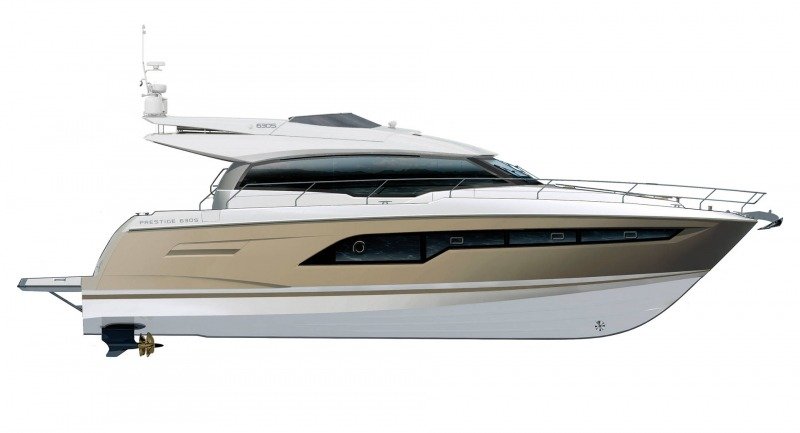
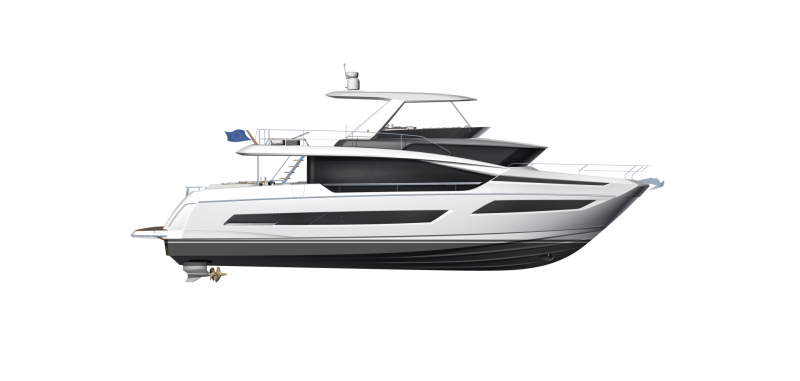
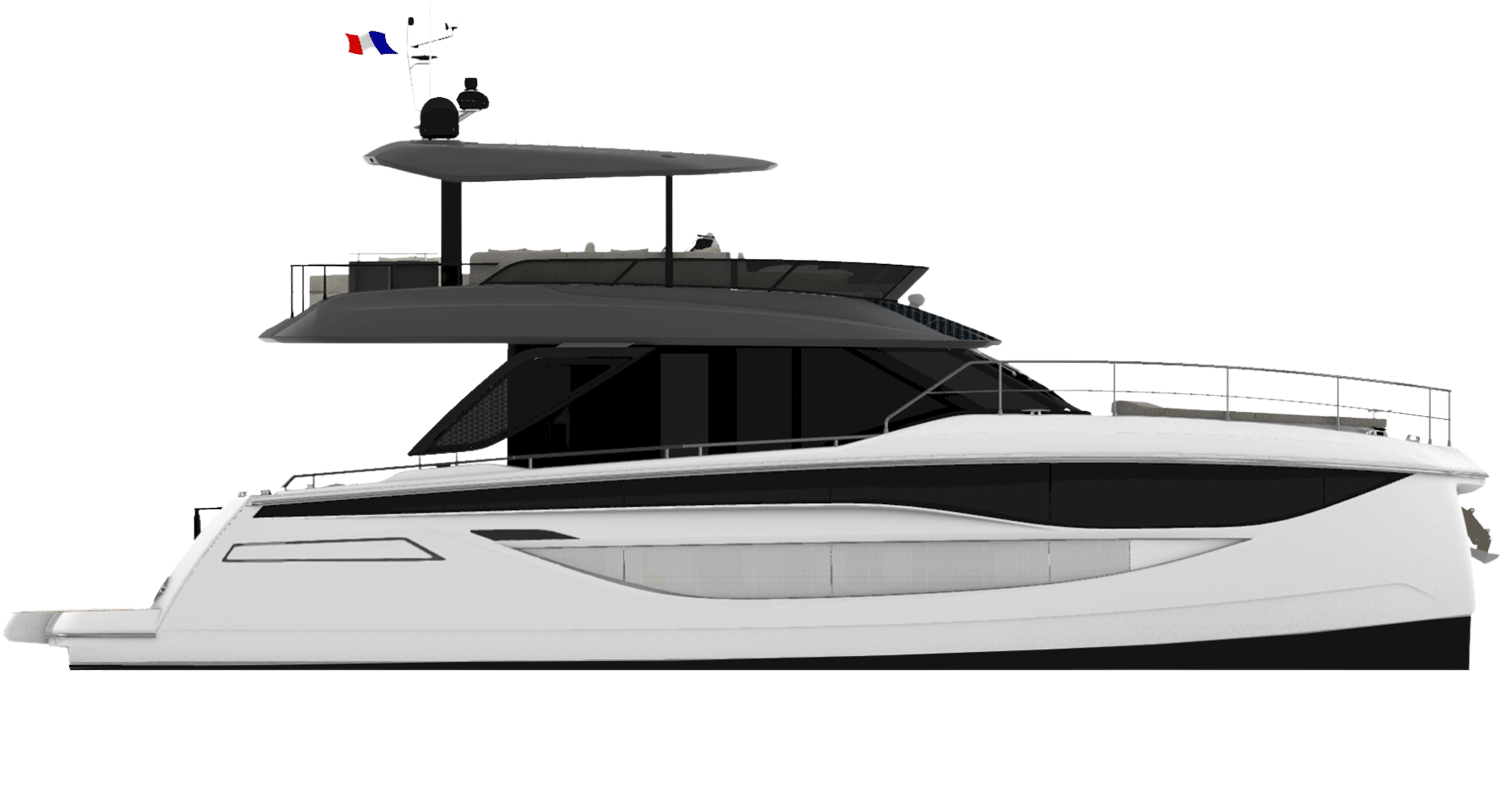
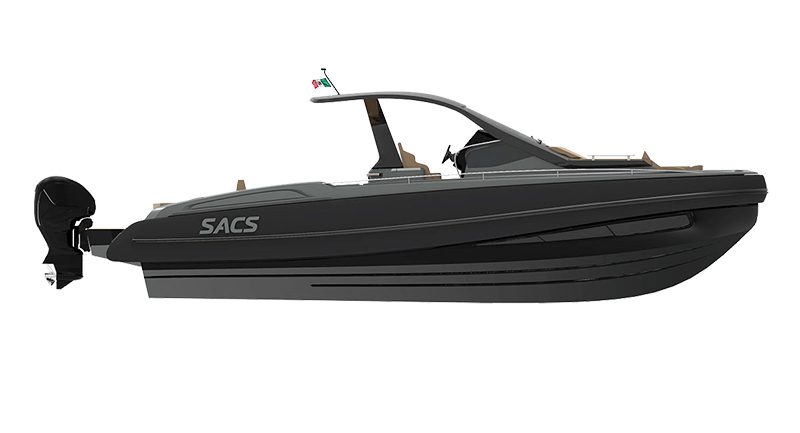
Planning your Gulf of Naples sailing adventure starts with selecting the appropriate yacht for the region’s conditions and your group’s needs. The gulf’s generally calm waters and short distances between destinations suit various vessel types, from comfortable motor yachts to sailing catamarans. Consider your group size, desired amenities, and whether you prefer the speed of power or the experience of sail when reviewing available options.
Marina selection significantly influences your experience. Naples’s Mergellina and Molo Luise offer urban convenience with excellent restaurants and cultural attractions within walking distance. Capri’s Marina Grande provides luxury services and sophisticated atmosphere, whilst Ischia’s various ports offer more relaxed, authentic environments. Book berths in advance during peak season (July and August), though shoulder months offer more flexibility and better availability.
Itinerary planning should balance sailing time with shore exploration. A week-long journey might include two nights in Naples for provisioning and sightseeing, two nights exploring Capri’s coastline and grottos, two nights in Ischia enjoying thermal springs and local cuisine, and a final night in Procida before returning. Shorter trips can focus on one or two islands with day sails between anchorages. Understanding local maritime regulations, including marine protected areas and anchoring restrictions, helps you navigate responsibly whilst accessing the best locations.
Working with experienced yacht specialists familiar with the region provides valuable insights for optimising your journey. Professional guidance helps you select ideal vessels, plan realistic itineraries based on your available time, and access services that enhance your experience. For personalised planning assistance tailored to your specific requirements and preferences, you can reach out to discuss your Gulf of Naples sailing aspirations.
The Gulf of Naples rewards thoughtful planning with unforgettable experiences that combine natural beauty, cultural richness, and the freedom that mediterranean yachting provides. Whether you seek adventure, relaxation, or cultural immersion, this spectacular region delivers memories that extend far beyond your time on the water. At Lengers Yachts, we help transform your Mediterranean sailing dreams into reality, connecting you with the perfect vessel and expertise to explore this magnificent corner of Italy’s coastline.
Frequently Asked Questions
What are the mooring costs like in the Gulf of Naples, and should I book marina berths in advance?
Mooring costs vary significantly depending on location and season. Naples marinas typically charge €80-150 per night for a 40-50ft yacht, whilst Capri's Marina Grande commands premium rates of €150-300 due to high demand and limited space. Ischia and Procida offer more affordable options at €60-120 per night. During peak season (July-August), advance booking is essential for popular marinas, especially in Capri and Positano, whilst shoulder season (April-June, September-October) offers more flexibility and often lower rates.
Do I need a skipper with local knowledge, or is the Gulf of Naples suitable for independent sailing?
The Gulf of Naples is generally suitable for experienced sailors navigating independently, as distances are short, conditions are typically moderate, and navigation is straightforward. However, hiring a local skipper offers significant advantages including insider knowledge of the best anchorages, hidden grottos, optimal restaurants accessible by tender, and understanding of local wind patterns and maritime regulations. First-time visitors to the region often benefit from at least initial guidance, whilst confident sailors with Mediterranean experience can navigate independently using updated charts and local port guides.
What provisioning options are available, and where should I stock up for a week-long sailing trip?
Naples offers the best provisioning opportunities with large supermarkets, specialty food shops, and fish markets near Mergellina and the city centre, making it ideal for comprehensive stocking before departure. Each island has smaller grocery shops and daily markets, though selection is limited and prices are higher, particularly on Capri. Plan to provision for most meals in Naples, then supplement with fresh bread, local produce, and seafood from island markets. Many sailors also enjoy dining ashore several evenings, which reduces onboard provisioning needs whilst enhancing the cultural experience.
Are there any restricted areas or special regulations I should know about when sailing in the Gulf?
Several marine protected areas exist around the islands with specific anchoring restrictions to preserve seagrass meadows and marine ecosystems. The Punta Campanella Marine Protected Area between Sorrento and Capri has zoned restrictions, whilst certain areas around Ischia prohibit anchoring entirely. You must also respect minimum distances from beaches (typically 200-300 meters) and swimming zones marked by buoys. Speed limits apply in harbour approaches and near coastlines, and some grottos like Capri's Blue Grotto have specific visiting hours and tender-only access with licensed operators.
What's the best strategy for visiting Capri's Blue Grotto and other popular sea caves?
The Blue Grotto requires visiting by small rowboat with licensed operators due to its low entrance and protected status—you cannot enter with your yacht or tender. The best approach is to anchor in Marina Piccola or moor in Marina Grande, then take the official grotto boats that operate from 9am until about one hour before sunset (conditions permitting). Visit early morning or late afternoon to avoid peak crowds, and note that rough seas or high tide often close the grotto. Other grottos around Capri and along the Amalfi Coast can be explored independently by tender, offering more flexibility and privacy.
How challenging are the sailing conditions for families with children or less experienced crew?
The Gulf of Naples is exceptionally family-friendly and suitable for less experienced sailors due to short passages (typically 1-3 hours between destinations), generally calm protected waters, and numerous safe anchorages. The semi-enclosed geography shields the area from large ocean swells, whilst predictable afternoon breezes rarely exceed 15-20 knots during summer. Multiple safe harbours are always within easy reach, allowing flexible adjustments if weather changes or crew comfort requires it. Catamarans are particularly popular for families due to their stability, shallow draft for anchoring close to beaches, and spacious layouts.
What are the common mistakes sailors make when visiting the Gulf of Naples for the first time?
First-time visitors often underestimate how crowded Capri becomes in peak season and fail to book marina berths in advance, resulting in anchoring in uncomfortable rolly conditions or being turned away entirely. Many also over-plan their itineraries, trying to cover too much ground rather than enjoying leisurely exploration of fewer locations. Another common mistake is neglecting to carry sufficient cash, as many waterfront restaurants and smaller island establishments don't accept cards. Finally, sailors sometimes anchor too close to protected seagrass areas without realizing restrictions, risking fines from marine authorities.