





21.01.2026
What’s the best route from French Riviera to Italy?
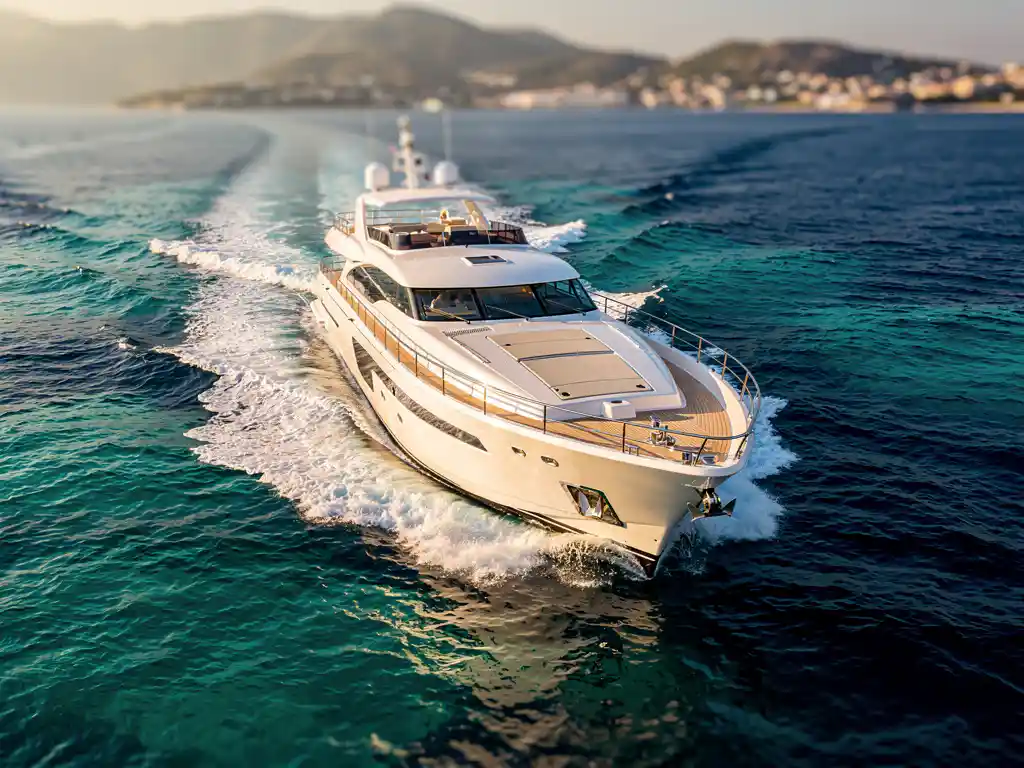
The best route from the French Riviera to Italy follows the stunning coastal path between Nice and Portofino, covering approximately 120 nautical miles. You’ll pass through Monaco, Menton, and charming Italian coastal towns like Bordighera, San Remo, and Alassio. This mediterranean yachting route offers calm waters, excellent marina facilities, and breathtaking scenery. The journey takes 8-12 hours of direct cruising or several delightful days if you explore the coastal gems along the way.
What Are the Most Scenic Stops Between French Riviera and Italian Riviera?
The coastal route between the French Riviera and Italian Riviera offers spectacular stops that showcase Mediterranean beauty at its finest. Monaco sits just 10 nautical miles from Nice, offering world-class marina facilities and glamorous atmosphere. Menton, another 5 nautical miles east, provides a quieter alternative with beautiful gardens and Italian architectural influences marking the French-Italian border.
Once you cross into Italy, Ventimiglia appears immediately as your first Italian port. This historic town offers good anchorage and authentic Italian dining. Bordighera, 8 nautical miles further, charms visitors with its Belle Époque architecture and palm-lined waterfront. San Remo, the largest town on this stretch, sits 5 nautical miles beyond and features excellent marina facilities, a famous casino, and vibrant market atmosphere.
Imperia offers two distinct harbours—Porto Maurizio and Oneglia—about 15 nautical miles from San Remo. This working port provides authentic Italian character away from tourist crowds. Alassio, another 8 nautical miles east, presents a beautiful sandy beach and relaxed atmosphere perfect for afternoon swimming stops. The route culminates at Portofino, roughly 40 nautical miles from Alassio, where you’ll find one of the Mediterranean’s most photographed harbours nestled in a protected bay surrounded by colourful buildings and luxury yachts.
Each stop offers unique character. Monaco impresses with opulence, Menton soothes with tranquillity, San Remo buzzes with Italian energy, and Portofino captivates with timeless elegance. Marina facilities range from modern full-service marinas to traditional anchorages, giving you flexibility in planning your stops based on your yacht’s requirements and your preferences.
How Long Does the Yacht Journey from French Riviera to Italy Take?
A direct passage from Nice to Portofino covers approximately 120 nautical miles and takes 8-12 hours at typical cruising speeds of 10-15 knots. Your actual journey time depends significantly on your yacht type, cruising speed, sea conditions, and whether you make intermediate stops. Faster motor yachts can complete the route in 6-8 hours, whilst slower vessels or sailing yachts might need 12-15 hours.
Most yachters prefer the coastal hopping approach, which transforms the journey into a 3-7 day exploration. A relaxed three-day itinerary might include overnight stops in Monaco and San Remo before reaching Portofino. A more thorough five-day journey allows you to experience Menton, Bordighera, Imperia, and Alassio, spending quality time at each destination.
Weather significantly affects journey duration. The Mistral wind can create challenging conditions that slow progress or require waiting for calmer weather. Summer months typically offer the most predictable conditions with lighter winds and calmer seas, allowing you to maintain steady cruising speeds. Spring and autumn bring more variable conditions that may extend journey times.
Distance between major ports helps you plan daily legs. Nice to Monaco spans 10 nautical miles (about 1 hour), Monaco to Menton covers 5 nautical miles (30 minutes), Menton to San Remo measures 15 nautical miles (1.5-2 hours), San Remo to Imperia runs 15 nautical miles (1.5-2 hours), and Imperia to Portofino stretches 48 nautical miles (4-5 hours). These segments allow flexible daily planning based on your schedule and interests.
What Weather and Sea Conditions Should You Expect on This Route?
Mediterranean yachting along this route enjoys generally favourable conditions from May through September, with July and August offering the calmest seas and most predictable weather. Water temperatures range from 18°C in May to 25°C in August, making swimming comfortable throughout the season. Visibility typically exceeds 5 nautical miles, often reaching 10-15 nautical miles on clear days.
The Mistral wind presents the most significant weather consideration for this route. This strong northwesterly wind funnels down the Rhône Valley and affects the western portion of your journey, particularly between Nice and Monaco. The Mistral typically blows for 1-3 days at speeds of 20-40 knots, creating choppy seas and uncomfortable conditions. It occurs most frequently in spring and can happen any time except mid-summer.
Summer months bring light winds, typically 5-15 knots from variable directions, creating pleasant cruising conditions. Sea state remains calm to moderate with wave heights rarely exceeding 1 metre. Afternoon sea breezes develop regularly, providing cooling relief and excellent sailing conditions. Thunderstorms can develop quickly in summer afternoons, particularly in July and August, though they usually pass within an hour.
Autumn offers excellent cruising conditions in September and early October, with moderate temperatures and reduced crowds. Weather becomes less predictable from late October through April, with stronger winds, higher seas, and occasional storms making this period less suitable for leisure cruising. Monitor weather forecasts through VHF marine channels, mobile weather apps, or local port authorities before departure and during your journey.
What Navigation Considerations Matter Most for This Mediterranean Route?
This coastal route experiences moderate to heavy marine traffic, particularly near major ports like Nice, Monaco, and San Remo. Commercial ferries operate regular services between French and Italian ports, whilst fishing vessels work close to shore, especially early morning and evening. Maintain vigilant watch and monitor VHF Channel 16 for traffic information and emergency communications. Popular anchorages like Portofino become crowded in summer, requiring careful manoeuvring in confined spaces.
Stay 0.5-1 nautical mile offshore during passage to avoid swimming areas, fishing nets, and shallow water hazards. The coastline features rocky outcrops and submerged rocks in several areas, particularly around headlands. Modern charts and GPS navigation make route planning straightforward, but maintain visual navigation awareness as a backup. The coastal profile provides excellent reference points with distinctive landmarks like Monaco’s high-rises and Portofino’s promontory clearly visible.
Border crossing between France and Italy requires no special procedures for EU citizens and registered EU vessels. Keep your boat registration documents, insurance papers, and crew passports readily accessible. Non-EU vessels should confirm current entry requirements with authorities. Both countries participate in the Schengen Agreement, making movement seamless for recreational vessels.
Navigation hazards remain minimal along this well-travelled route. Watch for underwater cables marked on charts near major ports, and respect marine protected areas with restricted anchoring. Summer brings numerous recreational vessels, jet skis, and swimmers near popular beaches, requiring reduced speed and increased vigilance in coastal zones. Night navigation is straightforward with well-lit coastlines and numerous lighthouses marking major points, though most yachters prefer daylight passage to enjoy the scenery.
How Do You Plan the Perfect French Riviera to Italy Yacht Itinerary?
Your perfect itinerary balances sailing time with shore exploration based on available days and personal interests. A weekend trip suits direct passage with one overnight stop, whilst a week allows thorough exploration of coastal highlights. Match your route to your experience level—beginners appreciate shorter daily legs with secure marina berths, whilst experienced yachters might enjoy longer passages and anchorage options.
Consider your yacht’s capabilities when planning. Larger motor yachts cover distances quickly and access major marinas comfortably, whilst smaller vessels might prefer protected anchorages and shorter daily runs. If you’re exploring yachts for this route, consider fuel capacity, cruising speed, and onboard comfort for extended passages. Mediterranean yachting demands reliable systems and adequate provisions for multi-day journeys.
Provisioning works easily along this route with supermarkets and marine chandleries in every major port. Stock up on fresh provisions in French ports where prices tend to be lower than Monaco. Fuel is available at most marinas, though prices vary significantly—plan refuelling stops strategically. Water and electricity connect at marina berths throughout the route.
Marina reservations become important during July and August when popular ports fill quickly. Book ahead for Monaco, Portofino, and San Remo during peak season. Spring and autumn offer more flexibility with walk-in availability at most locations. Build weather contingency into your schedule, allowing flexibility to wait out unfavourable conditions or extend stays at particularly appealing destinations.
Documentation requirements include valid boat registration, insurance proof, VHF licence, and skipper qualifications appropriate to your vessel size. Keep these documents organized and accessible. Check current fuel prices, marina rates, and any temporary restrictions before departure. Weather windows matter more than rigid schedules—the Mediterranean rewards patient planning.
Professional guidance enhances your journey significantly. If you need personalized route planning assistance or detailed information about specific ports and conditions, reach out for expert advice. At Lengers Yachts, we bring extensive Mediterranean cruising experience to help you create memorable journeys along this spectacular coastline, whether you’re planning your first coastal passage or seeking to discover hidden gems along this classic route.
Frequently Asked Questions
What are the marina costs along the French Riviera to Italy route?
Marina costs vary significantly along this route, with Monaco being the most expensive at €150-400 per night for a 40-foot yacht during peak season. French ports like Nice and Menton range from €80-150 per night, whilst Italian marinas in San Remo, Bordighera, and Alassio typically cost €60-120 per night. Portofino commands premium rates of €200-350 per night due to limited space and high demand. Booking in shoulder seasons (May-June, September-October) can reduce costs by 30-40%.
Can I anchor instead of using marinas, and where are the best anchorages?
Yes, several excellent anchorages exist along this route, though availability varies by season and weather. Popular spots include the bay east of Monaco (free but exposed to east winds), Mortola bay near Menton, and various coves between Bordighera and San Remo. Be aware that many areas have marine protection zones with anchoring restrictions, and popular anchorages like Portofino's bay fill quickly in summer. Always check local regulations and weather forecasts before anchoring, as the coast offers limited protection from southerly winds.
What safety equipment and qualifications do I need for this journey?
Essential safety equipment includes life jackets for all crew, flares, fire extinguishers, first aid kit, VHF radio, and navigation lights. French and Italian waters require vessels over 6 meters to carry specific safety gear based on distance from shore. For qualifications, an ICC (International Certificate of Competence) or equivalent national licence suffices for most recreational vessels, though boats over 24 meters require professional crew with commercial endorsements. Ensure your insurance covers Mediterranean cruising and check that it's valid in both French and Italian waters.
How do I handle customs and immigration when crossing from France to Italy?
As both France and Italy are Schengen countries, there are no routine border checks for EU citizens or vessels. Simply proceed directly from French to Italian ports without formal customs procedures. Keep your boat registration, insurance documents, and all crew passports aboard as authorities may conduct random checks. Non-EU flagged vessels or non-EU citizens should check current requirements, though most can cruise freely for up to 18 months within EU waters under temporary admission rules.
What's the best time of year to make this journey if I want to avoid crowds?
Late May to mid-June and September to early October offer the ideal balance of good weather and fewer crowds. During these shoulder seasons, you'll find easier marina availability, lower berth costs, and more authentic local experiences without the July-August tourist rush. September is particularly excellent with warm water temperatures (22-24°C), stable weather, and locals returning from holidays. Avoid July 15-August 25 when marinas require advance booking and prices peak, unless you enjoy the vibrant summer atmosphere.
What are the most common mistakes first-time yachters make on this route?
The biggest mistake is underestimating how quickly popular marinas fill in summer—always book Monaco and Portofino well in advance during peak season. Many newcomers also fail to monitor Mistral forecasts and get caught in uncomfortable conditions that could have been avoided by waiting a day. Other common errors include insufficient fuel planning (Italian fuel is expensive), not carrying enough cash (some small ports don't accept cards), and rushing through the journey instead of allowing flexibility for weather delays or spontaneous extended stays at charming ports.
Is this route suitable for sailing yachts or only motor yachts?
This route works excellently for both sailing and motor yachts, though each offers different experiences. Sailing yachts benefit from reliable afternoon sea breezes in summer, making for enjoyable sailing between ports, though you should expect to motor through calm morning periods. The coastal orientation means you'll often have beam reaches, which are comfortable sailing angles. Motor yachts complete the journey faster and maintain schedules more reliably, which helps with marina reservations. Both vessel types navigate the route successfully—choose based on your preferred cruising style and available time.