





27.11.2025
Which Ionian Islands are perfect for sheltered sailing?
The Ionian Islands offer some of the most sheltered sailing conditions in the Mediterranean, making them perfect for sailors of all experience levels. The island chain’s position along Greece’s western coast creates natural protection from the strong Meltemi winds that affect the Aegean, whilst the islands themselves form barriers that shelter numerous bays and anchorages. You’ll find calmer seas, predictable weather patterns, and countless protected coves throughout the region, particularly along the eastern coastlines of the main islands.
Why are the Ionian Islands considered ideal for sheltered sailing?
The Ionian Islands sit along Greece’s western coast in a position that naturally shields them from the powerful Meltemi winds dominating the Aegean Sea during summer months. Instead of the Meltemi’s 25-35 knot gusts, you’ll typically experience gentle 10-15 knot breezes from the northwest. The island chain itself creates a protective barrier, with each island offering lee shores and natural harbours that provide excellent shelter.
The geography works in your favour throughout the region. The islands run roughly north to south, creating a natural windbreak against prevailing westerlies. Between the islands, you’ll find calm channels and protected passages that make island-hopping comfortable even for less experienced sailors. The eastern coastlines particularly benefit from this arrangement, offering numerous anchorages where you can drop anchor in flat water whilst stronger winds blow harmlessly overhead.
The seabed composition adds another advantage. Most anchorages feature good holding ground with sand and mud bottoms that allow your anchor to set securely. The relatively shallow waters in many bays mean shorter anchor rodes and less swinging room needed. You’ll also discover that the tidal range remains minimal throughout the Ionian, simplifying your anchoring calculations and making Mediterranean mooring more straightforward.
Which specific Ionian Islands offer the most protected anchorages?
Lefkada stands out for sheltered sailing, particularly along its eastern coastline. The island’s position creates natural protection, and you’ll find excellent anchorages at Sivota Bay, Vliho Bay, and the numerous coves along the eastern shore. These spots offer all-round protection with good holding, making them reliable in various wind conditions.
Meganisi delivers some of the most secure anchorages in the entire Ionian. This small island features deeply indented bays like Port Atheni and Port Spilia that provide 360-degree wind protection. The high surrounding terrain blocks wind from all directions, creating mirror-calm conditions even when it’s blowing 20 knots outside.
Kalamos and Kastos offer intimate harbours perfect for overnight stops. Port Kalamos provides excellent shelter in a picturesque setting, whilst Kastos harbour welcomes you with complete protection and authentic Greek island atmosphere. Both islands feature depths suitable for yachts drawing up to 3 metres.
The eastern shores of Kefalonia present numerous options, including Fiskardo at the northern tip and Sami on the eastern coast. Fiskardo particularly shines as a sheltered harbour with good facilities, though it gets busy during peak season. The bay at Sami offers protection from westerlies and provides convenient access to the island’s attractions.
Corfu’s southern coast features several well-protected anchorages. Lakka Bay on the northeastern tip provides excellent all-round shelter, whilst the eastern coastline offers protection from prevailing winds. The island’s size creates microclimates that often deliver calmer conditions than surrounding areas.
Paxos and Antipaxos contain beautiful protected coves along their eastern shores. Gaios harbour on Paxos offers complete protection, and the anchorages around Antipaxos provide stunning turquoise waters in sheltered conditions. These smaller islands work perfectly for mediterranean yachting experiences.
Ithaca features natural harbours that have sheltered sailors since ancient times. Vathy, the main harbour, sits at the end of a long, narrow inlet providing exceptional protection. Kioni on the northern coast offers another beautifully sheltered spot with excellent holding.
What sailing conditions can you expect in different seasons?
During peak summer months of July and August, you’ll encounter the lightest and most predictable conditions. Winds typically blow from the northwest at 10-15 knots during afternoons, often dropping to near calm in the mornings and evenings. Sea temperatures reach 25-27°C, and rainfall becomes rare. These months offer the most stable weather patterns, though anchorages and harbours fill with other sailors enjoying the reliable conditions.
The shoulder seasons of May, June, September, and October provide excellent sailing with slightly more variable conditions. Winds may occasionally reach 20 knots, and you’ll experience more weather systems moving through the region. June and September particularly shine for comfortable sailing without the summer crowds. Water temperatures remain pleasant at 20-24°C, and you’ll find more availability in popular anchorages.
Weather systems in the Ionian typically move from west to east, giving you advance warning as conditions develop. The surrounding mountains on the mainland and larger islands can create local wind effects, particularly thermal breezes that develop during sunny afternoons. These patterns remain predictable once you understand them, allowing you to plan your daily passages accordingly.
The northern Ionian around Corfu sometimes experiences different conditions than the southern islands near Kefalonia. Northern areas may see slightly stronger winds and more weather influence from the Adriatic. The central islands around Lefkada and Meganisi often enjoy the most protected conditions throughout the sailing season.
How do you choose the right yacht for Ionian Island sailing?
Your yacht choice depends on several factors specific to Ionian sailing conditions. Most anchorages accommodate yachts drawing up to 2.5-3 metres comfortably, though some popular spots have shallower approaches. The generally calm conditions mean you don’t need heavy-displacement vessels designed for rough passages. Instead, focus on comfort features that enhance your time at anchor and in harbour.
Sailing yachts between 38-50 feet work beautifully in the Ionian. They provide enough space for comfortable cruising whilst remaining manageable in the region’s typically light winds. The protected waters mean you won’t need aggressive sail plans or heavy-weather gear. Look for yachts with good shade options like biminis and cockpit awnings, as summer sun becomes intense during midday hours.
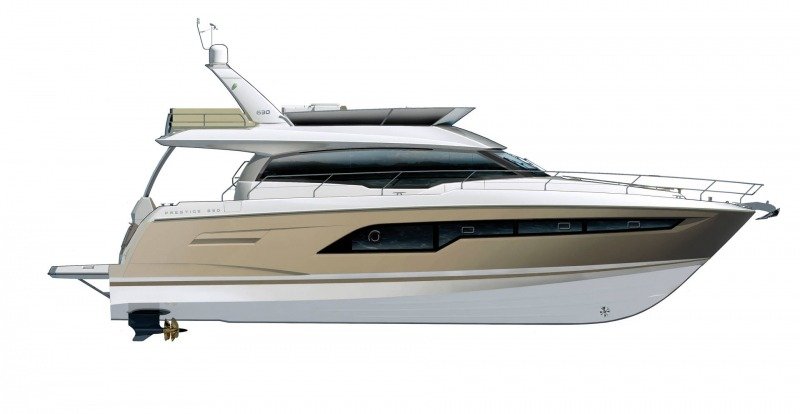
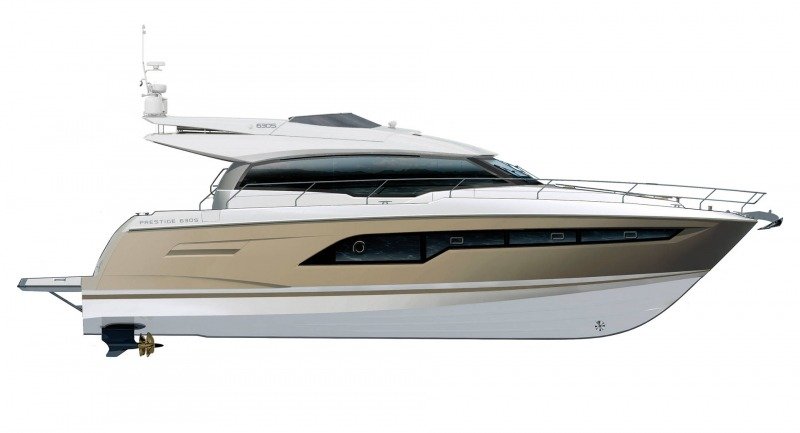
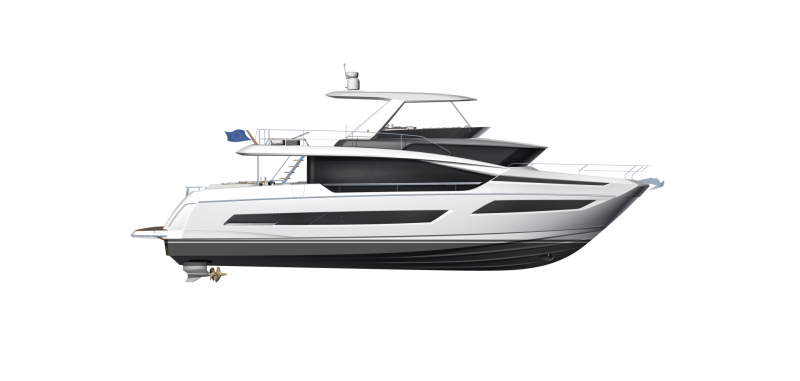
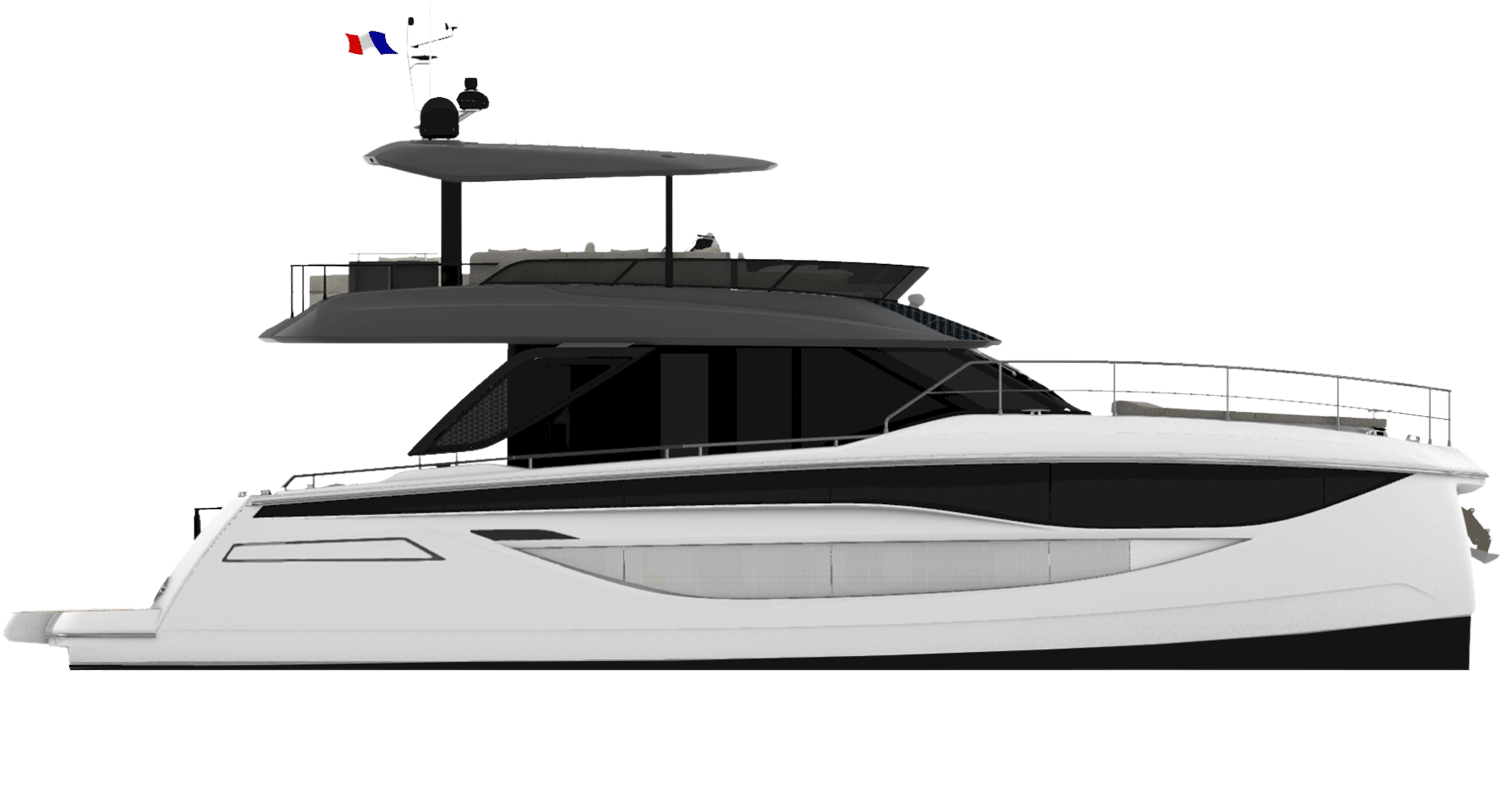
Motor yachts suit the Ionian perfectly given the often light winds and short distances between islands. You’ll appreciate the additional living space and amenities during your time at anchor. Fuel efficiency matters less here than in ocean passages, as distances rarely exceed 20-30 nautical miles between stops. The calm conditions make motor yachting particularly pleasant for those prioritizing comfort over sailing performance.
Catamarans have grown popular in the Ionian for good reasons. Their shallow draft helps in some anchorages, whilst their beam provides exceptional living space and stability at anchor. The protected waters suit catamarans well, as you won’t face the challenging conditions where monohulls sometimes perform better. The wide decks and trampolines create perfect spaces for enjoying the Mediterranean sunshine.
When you’re ready to explore yachts for sale suitable for Ionian adventures, consider how you’ll use the vessel. Will you primarily sail or motor? How many guests will you accommodate? What amenities matter most during your time anchored in beautiful bays? If you’d like personalized guidance on selecting the right yacht for your Ionian sailing plans, contact our team for expert advice tailored to your specific needs and preferences.
The Ionian Islands deliver sheltered sailing conditions that make them accessible to sailors of all experience levels whilst remaining endlessly rewarding for veterans. The combination of protected anchorages, predictable weather patterns, and stunning scenery creates an ideal environment for mediterranean yachting. Whether you choose Lefkada’s eastern bays, Meganisi’s secure harbours, or the charming anchorages around Paxos, you’ll find conditions that allow you to relax and enjoy your time on the water. At Lengers Yachts, we understand what makes the Ionian special and can help you find the perfect vessel to explore this remarkable sailing destination.
Frequently Asked Questions
What navigation and safety equipment is essential for sailing in the Ionian Islands?
While the Ionian offers benign conditions, you'll still need comprehensive charts (both electronic and paper backups), a reliable GPS chartplotter, VHF radio, and proper anchor equipment including adequate chain length. Greek waters require specific documentation including transit log and ship's papers, so ensure all paperwork is in order before departure. A good depth sounder is particularly valuable when exploring the shallower anchorages, and consider carrying a kedge anchor for Mediterranean mooring situations in busy harbours.
How far in advance should I book a charter yacht for the Ionian Islands?
For peak season sailing in July and August, book at least 6-9 months in advance to secure your preferred yacht and dates, as availability becomes limited in popular bases like Lefkada and Corfu. Shoulder season months (May, June, September) offer more flexibility with 3-4 months advance booking typically sufficient. Early booking also provides better selection of yacht types and often secures early-bird discounts from charter companies.
What are the mooring and anchoring costs in Ionian harbours?
Most natural anchorages throughout the Ionian remain free, allowing you to drop anchor in beautiful bays without charge. Marina berths and organized harbours typically cost €30-80 per night depending on yacht size and season, with popular spots like Fiskardo and Gaios commanding premium rates during July-August. Many smaller village harbours charge modest fees of €10-25, often collected by a harbour master who visits your yacht in the evening.
Can inexperienced sailors safely navigate the Ionian Islands independently?
The Ionian's sheltered conditions make it one of the best Mediterranean destinations for less experienced sailors, though some practical experience is essential. If you're relatively new to sailing, consider chartering during shoulder seasons when conditions are calmer and harbours less crowded, or hire a skipper for the first few days to learn local navigation and anchoring techniques. The short passages between islands (typically 2-4 hours) mean you're never far from shelter, and the predictable weather patterns reduce the risk of being caught out in challenging conditions.
What provisioning facilities are available throughout the Ionian Islands?
Larger islands like Lefkada, Corfu, and Kefalonia offer excellent supermarkets and provisioning in main towns, where you can stock up on everything needed for a week's sailing. Smaller islands like Meganisi, Kalamos, and Paxos have limited mini-markets with basics, fresh bread, and local produce, so plan your provisioning accordingly. Most organized harbours have water and fuel available, though smaller anchorages may lack facilities entirely, making it wise to carry adequate supplies when exploring remote spots.
Are there any sailing restrictions or permits required in the Ionian Islands?
Greek waters require a valid sailing license or certification from your home country, and charter companies will verify your qualifications before handing over a yacht. You'll need to complete a transit log documenting your movements between ports, which authorities may check. Some areas around Corfu near the Albanian border have restricted zones, and certain marine protected areas may limit anchoring, so check current regulations and respect any marked exclusion zones during your cruise.
What should I do if weather conditions deteriorate unexpectedly?
Monitor VHF weather forecasts broadcast regularly on Channel 16 and specific weather channels, and use reliable weather apps like PredictWind or Windy for updated forecasts. If conditions worsen while at anchor, ensure your anchor is well set with adequate scope, consider setting a second anchor for security, and be prepared to move to a more sheltered location if your current anchorage becomes uncomfortable. The Ionian's geography means you're rarely more than a few miles from excellent shelter, so identify alternative anchorages on your chart before conditions deteriorate.